
Major Airlines Offer Thousands in Vouchers as Heat-Induced Weight Restrictions Hit Harry Reid International Airport 2026
Extreme heat at Las Vegas Harry Reid International Airport forced American, United, and Southwest Airlines to offer passengers up to $2,500 to volunteer for flight cancellations due to critical aircraft weight restrictions.

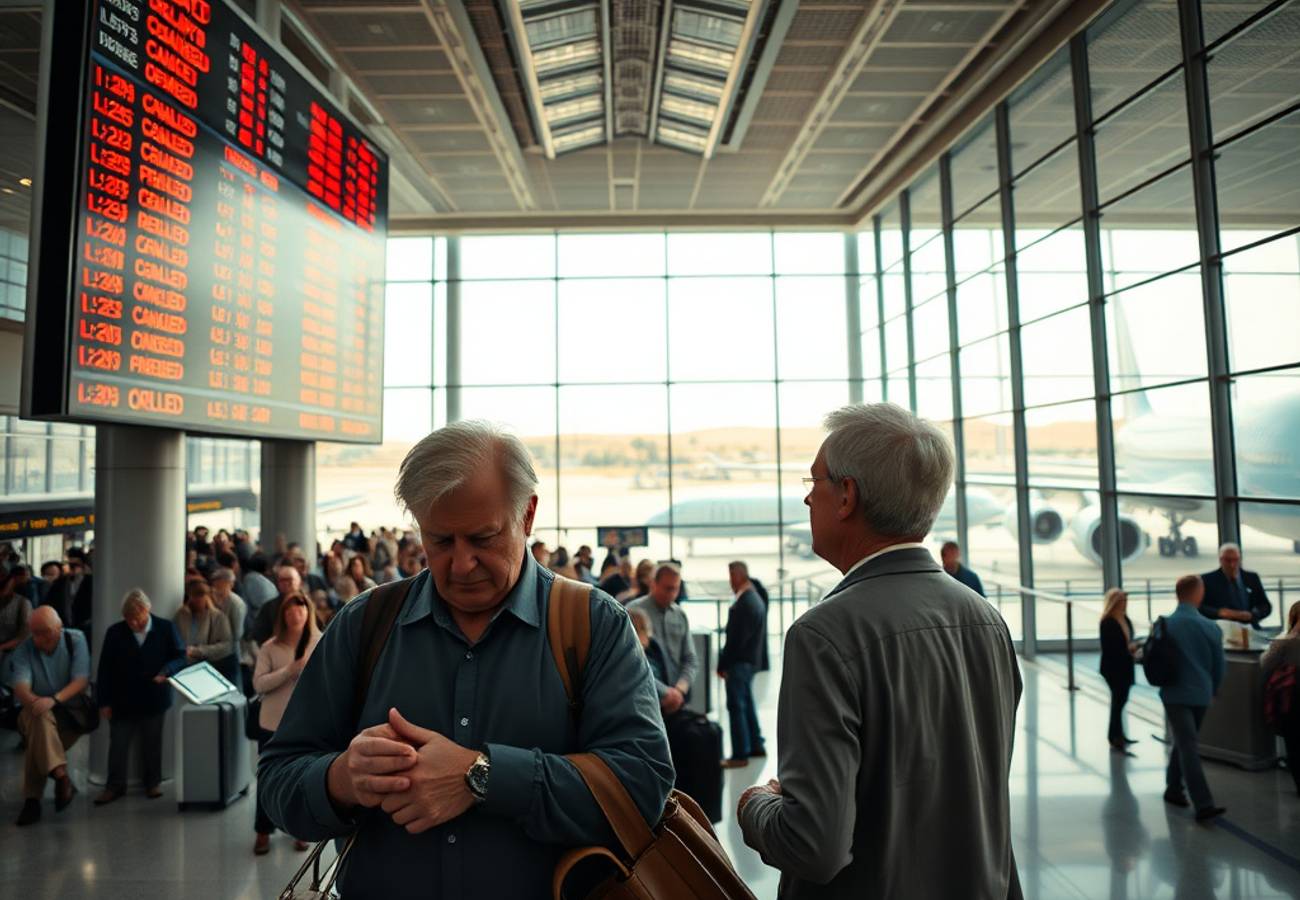
Image generated by AI
Extreme temperatures in Nevada forced major carriers to pay passengers up to $2,500 to vacate seats to ensure aircraft could safely take off under critical weight limits.
On Friday, July 24, 2026, Harry Reid International Airport (LAS) became the center of significant operational chaos as a "heat dome" pushed temperatures to a high of 114°F, with overnight lows remaining at 94°F. The extreme heat and humidity reduced air density, which negatively impacts aircraft lift and engine performance. To compensate and ensure safety, pilots from American Airlines, United Airlines, and Southwest Airlines implemented strict weight restrictions, requiring flights to "pack lighter" to utilize shorter runways.
This led to unprecedented scenes at boarding gates, where pilots requested that a significant percentage of passengers volunteer to give up their seats in exchange for high-value travel vouchers.
Flight Delay Statistics: July 26, 2026
While the peak heat occurred on Friday, the ripple effects persisted through the weekend. Data from July 26 shows that Southwest and American Airlines bore the brunt of the systemic delays.
| Airline | Number of Delays (July 26) |
|---|---|
| Southwest Airlines | 1,125 |
| American Airlines | 1,021 |
| SkyWest | 621 |
| Delta Air Lines | 587 |
| United Airlines | 554 |
Operational Disruptions at Harry Reid International (LAS)
The impact on LAS was severe. According to FlightAware data, on July 24, the airport ranked third for the most departure delays in the U.S., recording 284 delays which affected 33% of its total flight volume.
The severity of the weight restrictions varied by carrier:
- American Airlines: A pilot requested that 33% of passengers on a sold-out flight volunteer to deplane to meet takeoff requirements, offering $1,500 vouchers to those who complied.
- United Airlines: Reports indicate some captains sought for half the plane to volunteer, offering vouchers as high as $2,500.
Ground operations were equally strained. Travelers reported extreme congestion at baggage check-in and ticket counters, with some passengers missing flights despite arriving two hours prior to departure.
Departure Cancellations by Airport (July 26, 2026)
Beyond the heat-related issues in Las Vegas, other U.S. hubs experienced cancellations on July 26, though at a lower volume than the Friday peak.
| Airport | Cancellations (July 26) |
|---|---|
| Seattle-Tacoma International Airport | 9 |
| John F. Kennedy International Airport | 8 |
| Hartsfield-Jackson Atlanta International Airport | 7 |
| San Diego International Airport | 7 |
Traveler Logistics Guide: Navigating Heat-Related Disruptions
From a ground-level perspective, navigating an airport during a heat-induced operational crisis requires a different strategy than standard travel. When "weight restrictions" are announced, the environment becomes volatile.
1. Managing the "Volunteer" Process If a pilot requests volunteers to deplane, be prepared to negotiate. The gap between the first offer ($1,500) and the highest reported offer ($2,500) suggests that airlines may increase incentives if the initial number of volunteers is insufficient to meet safety weights. If you have flexibility in your schedule, these vouchers often exceed the original cost of the ticket.
2. Buffer Times and Ground Logistics During heat dome events, avoid the "two-hour rule." As evidenced by reports from LAS, arriving two hours early was insufficient to clear baggage and ticket counter queues. In high-heat scenarios, aim for a three-to-four-hour window to account for slower ground handling and potential equipment overheating.
3. Digital Transit Policies Ensure all check-ins are completed digitally to avoid the physical ticket counter queues. For those traveling through U.S. hubs, monitor the National Weather Service (NWS) advisories for "heat domes," as these typically signal upcoming weight-related delays for short-haul aircraft.
Infrastructure Impact Assessment
This event underscores a growing vulnerability in regional aviation infrastructure. As extreme heat events become more frequent, the reliance on specific runway lengths and aircraft weight-to-lift ratios becomes a critical failure point. The fact that 33% of flight volume at a major hub like LAS was affected by a single weather event suggests that current scheduling does not sufficiently account for "density altitude" losses during peak summer months.
Regional connectivity in the Southwest is particularly at risk, as airlines may be forced to permanently reduce passenger loads or increase flight frequencies (with fewer passengers per plane) to maintain safety margins during July and August.
Safety remains the primary driver of these disruptions, but the financial cost to airlines in vouchers and lost slots is substantial.
Related Travel Guides
Disclaimer
This article is for informational and educational purposes only. It does not constitute legal, financial, or professional advice. While we strive to provide accurate and up-to-date information, travel policies, regulations, and conditions change rapidly. Always verify information with official sources before making travel decisions. Nomad Lawyer makes no representations about the accuracy, reliability, completeness, or suitability of the information provided. Readers should consult qualified professionals for advice specific to their circumstances. The views expressed in this article are those of the author and do not necessarily reflect the views of Nomad Lawyer.
Kunal K Choudhary
Co-Founder & Contributor
A passionate traveller and tech enthusiast. Kunal contributes to the vision and growth of Nomad Lawyer, bringing fresh perspectives and driving the community forward.
Learn more about our team →