
US Airport Expansion 2026: Florida, Texas, and DC Launch Multi-Billion Dollar Infrastructure Overhauls
Major US aviation hubs in Florida, Texas, and Washington DC are initiating massive infrastructure investments, including a $20 billion overhaul at Dulles, to modernize international gateways and increase gate capacity.

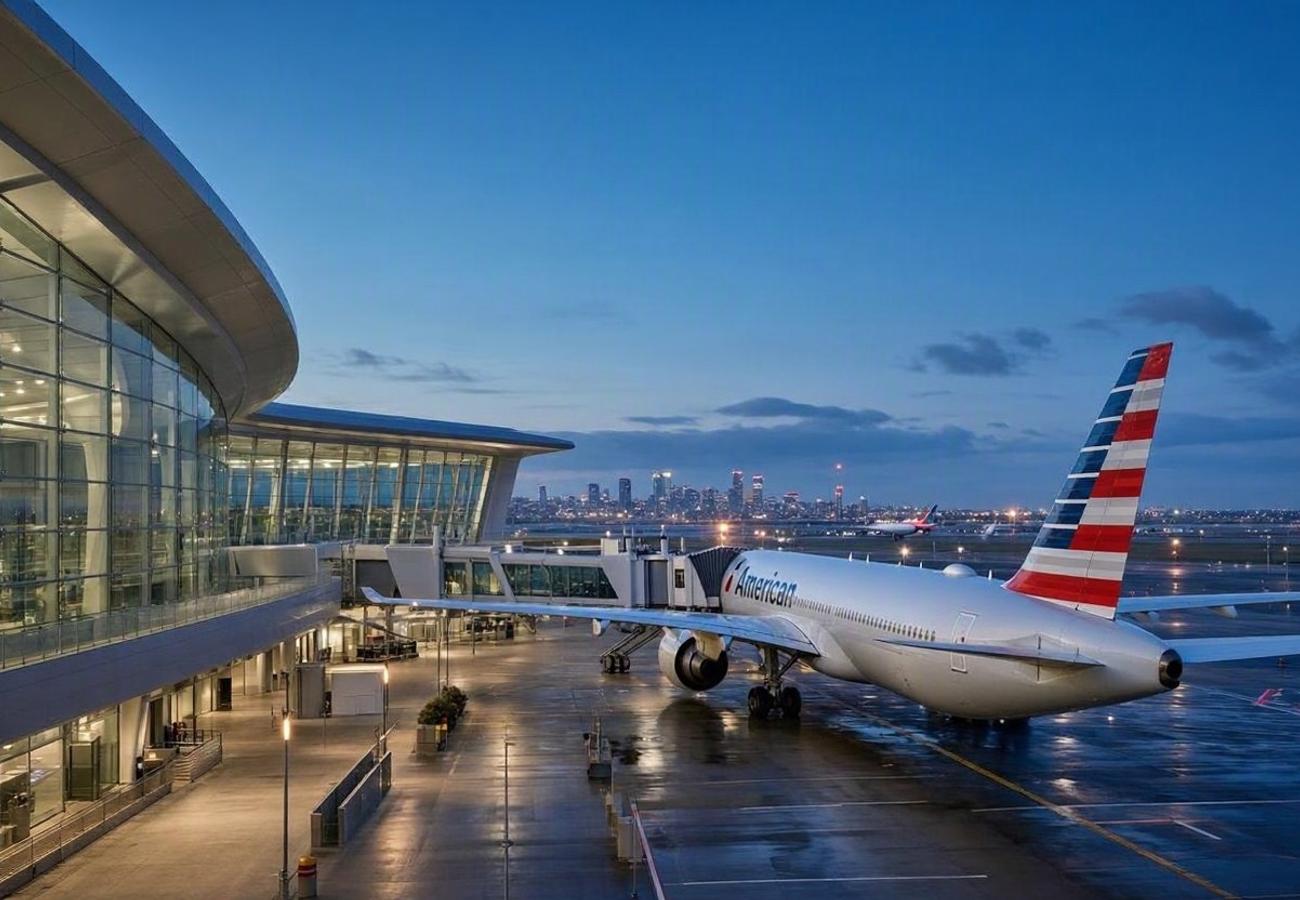
Image generated by AI
$20 billion is the staggering scale of the capital investment plan announced in July 2026 for Washington Dulles International Airport, signaling a systemic shift in how the United States manages its primary aviation gateways. This massive expenditure is part of a broader national trend where hubs in Florida, Texas, and New York are aggressively replacing aging infrastructure to accommodate larger aircraft and rising international passenger volumes.
The Infrastructure Crisis and the 2026 Pivot
The current wave of construction is not merely about growth but about survival against obsolescence. Many US terminals were designed for an era of smaller regional jets and lower security requirements. Today, the shift toward wide-body aircraft for long-haul efficiency and the demand for "premium" passenger experiences—including high-end retail and seamless boarding—have rendered existing facilities inadequate.
In Miami, the focus is on the critical link between the US and Latin America. The Miami-Dade County aviation department is partnering with American Airlines to overhaul Concourse D. The primary driver here is the elimination of outdoor boarding and the replacement of gates that were too small for modern fleets.
Meanwhile, in Texas, the strategy is bifurcated between Austin’s rapid growth as a tech hub and Dallas-Fort Worth’s (DFW) role as a global connecting engine. Austin is aggressively adding raw capacity, while DFW is optimizing passenger flow through the addition of an entirely new terminal.
US Aviation Investment Breakdown: 2026-2030
The following data outlines the specific financial and operational targets for the most significant projects currently underway.
| Airport / Project | Primary Investment | Key Infrastructure Addition | Timeline/Status | Primary Impact |
|---|---|---|---|---|
| Washington Dulles | $20 Billion+ | 5 million sq. ft. renovated space | Announced July 2026 | Total facility modernization |
| JFK New Terminal 1 | $9.5 Billion | 23 gates (22 wide-body capable) | Phased completion by 2030 | International long-haul capacity |
| DFW Terminal F | $1.6 Billion | 15 aircraft gates + Skylink link | Ongoing | Improved passenger distribution |
| Miami Concourse D | $1 Billion | 17 modern aircraft gates | Construction starts 2027 | Latin American connectivity |
| Austin-Bergstrom | Not Specified | 32 new gates (Concourse M & B) | Concourse M began Sept 29, 2026 | Tech/Business tourism growth |
Expert Analysis: The Logistics of Capacity vs. Connectivity
For the frequent traveler or the digital nomad, it is a common misconception that "more gates" automatically equals "more flights." The expansion at Austin-Bergstrom, for instance, adds 32 gates, but the actual increase in flight frequency depends entirely on airline network planning and the International Air Transport Association (IATA) standards for slot management.
The real value for passengers in these projects is not the number of gates, but the type of gates. The JFK New Terminal One project is a prime example; by ensuring 22 of its 23 gates can handle wide-body aircraft, New York is positioning itself to attract more direct, long-haul flights from Asia and Europe, reducing the need for tedious connections in other hubs.
For travelers booking routes through Miami or Dulles, the direct consequence of these investments will be a reduction in "boarding friction." The shift from outdoor boarding in Miami to a three-level extension and the massive square-footage increase at Dulles are designed to solve the "bottleneck effect" during peak international arrival windows. However, the transition period—specifically the construction starting in 2027 in Miami—will likely result in temporary navigational challenges and potential terminal congestion.
Key Takeaways
- Massive Capital Influx: Washington Dulles is leading the nation with a $20 billion+ modernization plan, followed by JFK's $9.5 billion terminal overhaul.
- Wide-Body Prioritization: New infrastructure, particularly at JFK, is being built specifically to accommodate larger aircraft, signaling a push for more direct international routes.
- Texas Growth: Austin is significantly expanding its footprint with 32 new gates across Concourses M and B to support its status as a business and tech destination.
- Operational Shifts: Miami's $1 billion Concourse D project focuses on replacing regional-sized gates with modern facilities to better serve the Latin American market.
- Timeline Warning: While some projects are active (Austin), others like Miami's redevelopment will not break ground until 2027, meaning current inefficiencies will persist for another year.
FAQ: US Airport Expansions 2026
Will these expansions lead to cheaper flight tickets? Not necessarily. While increased capacity can lower prices through competition, these are capital-intensive projects. Airports often recover costs through higher landing fees or increased retail rents, which airlines may pass on to passengers.
How will construction affect my travel experience in 2026-2027? Expect temporary signage, closed walkways, and potential delays in terminal transfers, especially at JFK and Dulles. Always allow an extra 60-90 minutes for connections during these renovation phases.
What is the "Skylink" mentioned in the DFW expansion? The Skylink is an automated people mover that connects terminals. The integration of Terminal F into this network ensures that passengers can move between the six terminals without relying on shuttle buses.
Why is Miami replacing gates instead of just adding new ones? Many existing gates were designed for small regional jets. To accommodate the larger planes used for international travel to the Caribbean and South America, the physical footprint of the gate must be expanded.
The era of the regional-centric hub is ending; the age of the wide-body gateway has arrived.
Related Travel Guides
Disclaimer
This article is for informational and educational purposes only. It does not constitute legal, financial, or professional advice. While we strive to provide accurate and up-to-date information, travel policies, regulations, and conditions change rapidly. Always verify information with official sources before making travel decisions. Nomad Lawyer makes no representations about the accuracy, reliability, completeness, or suitability of the information provided. Readers should consult qualified professionals for advice specific to their circumstances. The views expressed in this article are those of the author and do not necessarily reflect the views of Nomad Lawyer.
Naina Thakur
Contributor & Travel Specialist
Travel enthusiast and legal writer covering visa regulations, responsible tourism, and cultural journeys across global destinations.
Learn more about our team →