
Boston Logan International Airport Uber Assault Incident Sparks Global Debate on Rideshare Safety Protocols in 2026
A violent assault involving an Uber driver at Boston Logan International Airport has reignited critical discussions regarding passenger safety and driver security in the rideshare industry.

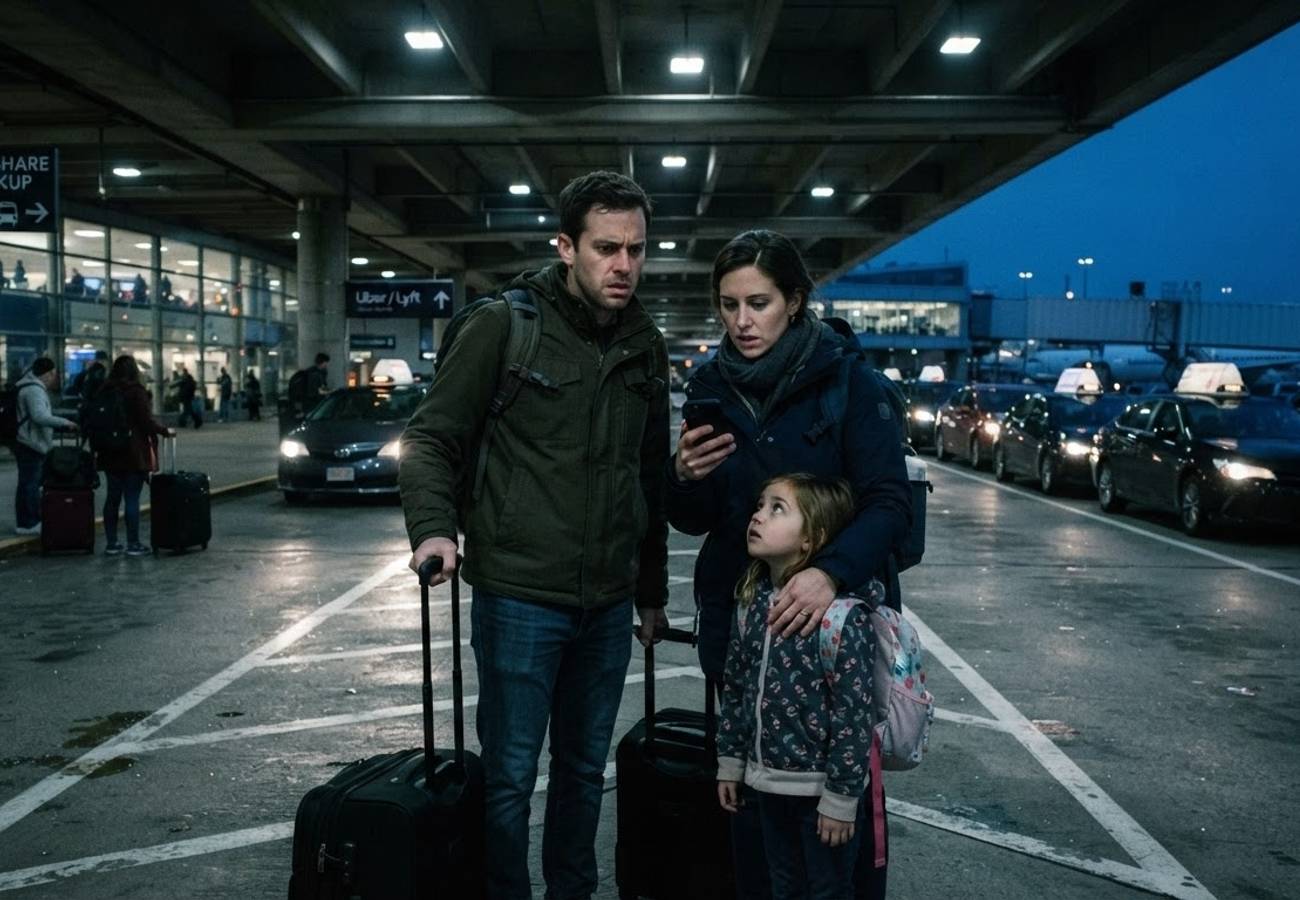
Image generated by AI
A violent encounter at one of New England's busiest travel hubs has shifted the conversation from convenience to critical safety, questioning the efficacy of AI-driven security in the gig economy.
The Local Trend Revealed: Safety Friction in the Rideshare Era
Early Friday morning, a routine transit experience at Boston Logan International Airport escalated into a criminal investigation. According to Massachusetts State Police, a passenger entered Terminal C shortly before 5:30 a.m. exhibiting visible injuries. The individual reported being physically assaulted by their Uber driver immediately prior to being dropped off.
While the passenger was transported to a local hospital with non-life-threatening injuries, the incident triggered a high-priority law enforcement response. A "Be On the Lookout" bulletin was issued to nearby agencies. While official State Police reports describe the event as a physical assault, radio transmissions indicated a more severe stabbing involving a 2017 Lexus driven by a man from Lowell.
Uber responded by immediately removing the driver’s platform access and stating they are cooperating with law enforcement. However, this incident is not an isolated event but part of a broader, systemic tension regarding who is truly at risk during a rideshare trip.
Cultural & Environmental Value: The Human Cost of the Gig Economy
The Boston incident highlights a growing divide in the "trust economy." For passengers, particularly women and solo travelers, the fear centers on the vulnerability of being enclosed in a vehicle with a stranger. This has led to the implementation of controversial measures, such as woman-only driver options, which some critics argue introduce gender-based discrimination into the service.
From a corporate perspective, Uber has attempted to mitigate these risks using the Safety Ride Assistant Dispatch (SRAD). This AI-powered tool assigns a score from 0 to 1 based on the potential for sexual assault, factoring in location, time of day, and the driver's nighttime request rate. However, the reliance on algorithmic safety is under scrutiny following a federal jury in Arizona ordering Uber to pay $8.5 million to a victim of a 2023 sexual assault, although the company maintained its safety systems were not defective.
Conversely, the driver community argues that the "danger" is bidirectional. Drivers often operate without physical security barriers, facing intoxicated or aggressive passengers in isolated areas. The lack of standardized federal data makes it difficult to quantify this risk, though a U.S. Government Accountability Office (GAO) report noted 19 fatal assaults of rideshare and taxi workers in 2019.
Visitor Insider Tips: Navigating Airport Transit Safely
For travelers utilizing rideshare services at major hubs like Boston Logan, relying solely on the app's internal safety features is insufficient.
- The Triple-Check Rule: Never enter a vehicle without verifying that the license plate, car make/model, and driver's photo match the app exactly.
- Strategic Seating: Whenever possible, sit in the rear passenger seat on the opposite side of the driver. This provides more physical distance and a clearer exit path.
- Digital Breadcrumbs: Use the "Share Trip" feature to send your real-time location to a friend or family member before the car departs the airport curb.
- Airport-Specific Zones: Stick to designated "App Ride" pickup zones. Avoid agreeing to meet drivers in unlit parking garages or remote areas of the airport perimeter.
- Local Alternative: In Boston, if you feel uneasy about rideshares, the Silver Line (SL1) provides a high-frequency, reliable link from Logan Airport to South Station in the city center.
Tourism Outlook: The Future of Transit Security
The long-term impact of these incidents is a likely shift toward more stringent regulatory oversight. The current model of "independent contractors" allows platforms to distance themselves from liability, but increasing legal pressures and high-profile assaults are pushing the industry toward a hybrid model of accountability.
As we move through 2026, the expectation for "Information Gain" in safety—meaning real-time verification and perhaps biometric driver authentication—will become a competitive advantage for transit companies. For the traveler, the priority is shifting from the fastest ride to the most secure one.
The balance between convenience and security remains a precarious ride for the modern nomad.
Related Travel Guides
Disclaimer
This article is for informational and educational purposes only. It does not constitute legal, financial, or professional advice. While we strive to provide accurate and up-to-date information, travel policies, regulations, and conditions change rapidly. Always verify information with official sources before making travel decisions. Nomad Lawyer makes no representations about the accuracy, reliability, completeness, or suitability of the information provided. Readers should consult qualified professionals for advice specific to their circumstances. The views expressed in this article are those of the author and do not necessarily reflect the views of Nomad Lawyer.
Raushan Kumar
Founder & Lead Developer
Full-stack developer with 11+ years of experience and a passionate traveller. Raushan built Nomad Lawyer from the ground up with a vision to create the best travel and law experience on the web.
Learn more about our team →