
Breaking Airline News: United, Southwest, and Alaska Deploy Massive Premium Upgrades to Shield Wealthy Travelers from Widespread Budget Airline Travel Chaos
Breaking airline news: Amidst a terrifying era of massive fuel spikes and budget airline collapses, major US carriers execute a brilliant tactical bypass, aggressively expanding premium travel to rescue passengers from extreme travel chaos.

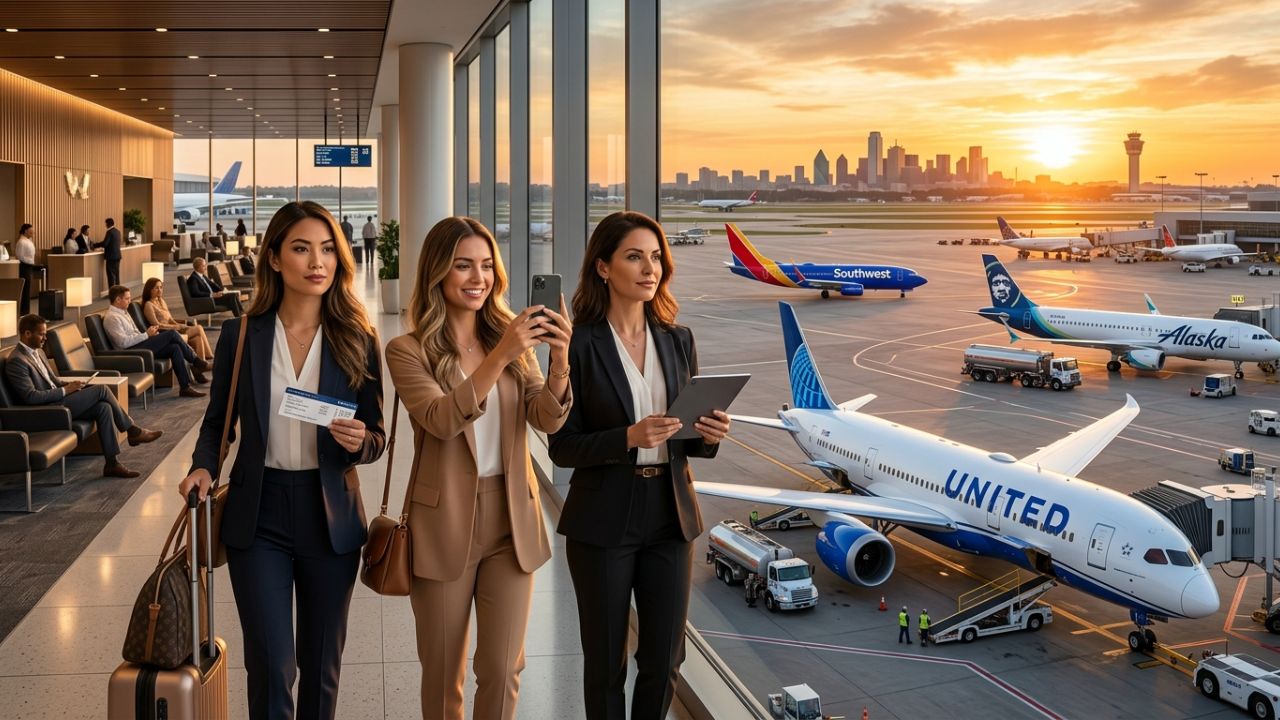
Image representing the intense strategic battle as global aviation authorities aggressively deploy massive premium upgrades to combat severe fuel price volatility and bypass paralyzing flight cancellations across North America.
Breaking Airline News: United, Southwest, and Alaska Deploy Massive Premium Upgrades to Shield Wealthy Travelers from Widespread Budget Airline Travel Chaos
As paralyzing fuel market volatility, terrifying corporate debt burdens, and severe operational friction violently threaten to completely choke the North American aviation network, a massive structural divide is tearing the industry apart. In a desperate bid to physically and economically rescue premium business travelers and high-spending tourists from the terrifying threat of extreme travel chaos triggered by collapsing budget carriers, aviation titans including United Airlines, Southwest Airlines, and Alaska Airlines have aggressively launched a massive tactical bypass. Officially dominating discussions at the International Air Transport Association (IATA) Annual General Meeting in Rio de Janeiro, Brazil, executives confirmed a ruthless divergence in airline survival strategies. While heavily leveraged, weaker airlines are violently slashing capacity and stranding passengers, these massive legacy and hybrid carriers are forcefully deploying billions into premium cabins, international networks, and luxury airport lounges. By aggressively establishing this impenetrable premium defense perimeter, they are directly fighting to prevent the complete collapse of top-tier regional mobility, ensuring that wealthy passengers are entirely shielded from the terrifying unreliability historically defining volatile domestic transit corridors.
In a harrowing display of modern aviation fragility, the sheer volume of operational stress currently overwhelming standard North American transit corridors is forcing airline executives to completely rewrite their financial blueprints. For years, attempting to maintain profitable domestic networks against the terrifying backdrop of rising fuel prices meant airlines engaged in brutal price wars. However, the collapse of Spirit Airlines earlier this year violently exposed the fatal flaw of the ultra-low-cost model. This highly hostile operating environment frequently triggers terrifying logistical bottlenecks, severely reduced flight frequencies, and entirely ruined travel itineraries for budget passengers. Conversely, the massive premium carriers are aggressively fighting back against this structural logistical nightmare. By forcefully intervening to upgrade their fleets and loyalty ecosystems, these airlines ensure that high-paying passengers can violently slash their exposure to cascading flight cancellations. This highly optimized model completely decompresses the anxiety of travel, ultimately shielding premium long-haul and regional travelers from the agonizing misery of paralyzed transport networks.
Expanded Overview: The Massive Scale of the Financial Contagion
The terrifying crisis of overwhelming fuel costs currently gripping the global transit network brutally exposes the severe limitations of highly leveraged airline operations. Recognizing that aggressively allowing airlines to absorb fuel shocks without a premium revenue safety net leads directly to severe economic friction and terrifyingly inconsistent scheduling, massive US carriers are attempting to forcefully decompress the tension. The United States economy currently exhibits a violent two-speed consumer market; budget-conscious passengers are completely retreating, while high-income travelers demand absolute reliability. Now, the massive infrastructural shift toward premium connectivity will aggressively decentralize the impact of the fuel crisis, entirely destroying the terrifying threat of capacity-induced travel chaos for elite flyers and establishing major carriers as powerfully resilient, hyper-connected gateways.
Section-Wise Breakdown: The Operational Realignment
Breaking the Low-Cost Transit Gridlock
To survive the terrifying surge in global fuel prices without triggering immediate operational meltdowns, massive carriers are specifically targeting the highly lucrative premium passenger market. Airlines operating with weaker margins are facing terrifying pressure to preserve cash, brutally slashing routes and delaying product upgrades. In stark contrast, United, Southwest, and Alaska are relentlessly pursuing the strengthening of their operational reliability. This massive logistical integration brutally undercuts traditional travel barriers, offering premium passengers seamless, chaos-free entry into international and long-haul markets.
Deploying the Premium Tactical Shield
To guarantee the absolute reliability of this restored operational model and defend against the logistical failures that doomed rival budget airlines, major carriers have executed a brilliant strategic defense. These airlines are actively recognizing that premium travel demand remains incredibly resilient despite economic uncertainty. By aggressively expanding premium seating, priority boarding services, and massive, highly exclusive airport lounges, these carriers are creating a physical and digital shield against terminal congestion. This massive infrastructural shield physically guarantees that high-spending passengers bypass the terrifying regulatory and economic friction affecting older, congested tourist terminals.
Securing the Global Tourism Lifeline
The massive infrastructural shift aggressively centers around completely defending global tourism destinations. Airports and cities serviced by these financially dominant airlines are suddenly insulated from the regional route cuts devastating smaller airports. Because these massive carriers possess the financial firepower to launch new international routes and improve customer-facing digital technology, they directly fuel tourism growth. High-spending international visitors are aggressively funneled into these premium networks, preventing the complete collapse of the lucrative eco-tourism and luxury hospitality sectors that rely absolutely on dependable inbound flight connectivity.
Strategic Aviation & Financial Matrices
To fully comprehend the massive logistical and strategic fallout of this aviation and financial divergence, corporate travel managers and affected tourists must review the exact economic metrics defining the North American deployment strategy. The following matrices provide a granular breakdown of the specific, officially verified market dynamics driving this massive disruption mitigation effort.
Table 1: How Rising Fuel Costs Affect Different Airline Business Models
| Airline Segment | Impact of Higher Fuel Prices | Likely Strategic Response |
|---|---|---|
| Large Network Carriers | Moderate pressure due to stronger finances | Continue investing in premium products and global expansion |
| Hybrid Airlines | Increased margin pressure | Selective investment and route optimization |
| Low-Cost Carriers | Significant cost burden | Capacity reductions and slower expansion |
| Highly Leveraged Airlines | Strong financial strain | Cost-cutting and delayed product upgrades |
Table 2: Airline Investments That Directly Influence Tourism
| Investment Area | Tourism Benefit |
|---|---|
| New International Routes | Increased visitor arrivals |
| Airport Lounges | Enhanced traveler satisfaction |
| Digital Technology | Smoother booking and travel experience |
| Fleet Modernization | Greater operational reliability |
| Loyalty Programs | Increased repeat travel |
Table 3: Key Financial Challenges Facing Smaller Airlines
| Challenge | Impact |
|---|---|
| Higher Fuel Costs | Reduced operating margins |
| Rising Interest Rates | Increased debt servicing expenses |
| Aircraft Financing Costs | Slower fleet renewal |
| Limited Loyalty Revenue | Reduced ancillary income |
| Smaller Networks | Less pricing flexibility |
Passenger Impact: Surviving the Financial Squeeze
For the millions of global tourists and corporate commuters attempting to navigate the rapidly diverging North American transit corridors, this massive premium deployment represents a highly anticipated lifeline against severe operational delays. The brutal reality of enduring terrifyingly sudden flight cancellations due to an airline's inability to cover fuel or aircraft leasing costs inflicts intense psychological stress and entirely destroys meticulously planned global summits. By aggressively deploying these protected premium corridors, major airlines are attempting to actively prevent the terrifying friction that results in severely abandoned travel plans and entirely ruined business itineraries.
Survival Guide for Transit Travelers
Travelers desperately preparing to navigate the modernized global network must immediately execute the following survival protocols:
- Leverage Premium Ecosystems: Corporate and leisure passengers must aggressively seek out flights operated by massive legacy or hybrid carriers; intentionally avoiding highly leveraged budget airlines drastically reduces the risk of cascading terminal delays or sudden, permanent capacity cuts.
- Invest in Elite Status: Because physical airport space is becoming terrifyingly congested during disruptions, passengers must rigorously optimize their loyalty programs; holding elite status grants access to exclusive lounges and priority rebooking channels, ensuring that travelers are instantly shielded from mass terminal panic during a weather or mechanical event.
- Monitor Airline Debt Profiles: Travel advisors and corporate travel managers must relentlessly analyze the financial stability of the airlines they book; carriers unable to invest in fleet modernization or technology are highly vulnerable to operational collapse, providing an absolute guarantee of terrifying travel chaos for their passengers.
Industry Analysis: The Economics of Service Dominance
From a strategic aviation perspective, the travel turmoil currently forcing these massive network realignments highlights the terrifying vulnerability of standard, price-based operational models. Industry analysts confirm that securing massive passenger loyalty via premium upgrades is an absolute masterstroke in corporate crisis management. Historically, airlines that attempted to compete purely on low fares during fuel spikes were violently crushed by the terrifying economic fallout, as evidenced by Spirit Airlines. The aggressive premium maneuvering by United, Southwest, and Alaska aggressively lowers systemic risk, providing the travel sector with massive market certainty and ultimately preventing network-wide travel chaos as the industry transitions.
Conclusion: A Strategic Retreat to Ensure Aviation Survival
As the extremely critical 2026 global tourism season accelerates, the massive deployment of premium investments by major US carriers represents a massive warning to rival airlines ignoring changing consumer behavior. The aggressive maneuvering by these titans proves that capturing market dominance requires terrifyingly swift and highly optimized service deployments, connecting passengers safely while shielding them from severe economic friction. Corporate travel buyers and everyday passengers attempting to navigate this highly unstable era of airport disruptions must embrace these new, highly efficient premium lifelines. By acting aggressively to leverage optimized flights backed by massive financial strength, travelers can successfully survive the intense fuel surges and completely avoid the paralyzing threat of debt-induced travel chaos.
Key Takeaways
- Massive Tactical Bypass: Major carriers like United, Southwest, and Alaska are aggressively launching massive premium travel investments to bypass the severe travel chaos devastating weaker airlines.
- Crushing Budget Competitors: The aggressive premium strategy violently exposes the fragility of highly leveraged budget carriers, many of which are slashing capacity and stranding passengers.
- Protecting Massive Operations: Heavy investments in modern fleets, airport lounges, and digital technology shield premium passengers from terrifying operational friction and terminal congestion.
- Global Connectivity Secured: Travelers utilizing financially dominant airlines gain highly efficient, chaos-free transit access, driving massive tourism growth across international markets.
- Traveler Advisory: Corporate and leisure passengers must aggressively avoid airlines with high debt and limited premium offerings to shield themselves from the severe operational unpredictability of sudden capacity cuts.
Related Travel Guides
Disclaimer
This article is for informational and educational purposes only. It does not constitute legal, financial, or professional advice. While we strive to provide accurate and up-to-date information, travel policies, regulations, and conditions change rapidly. Always verify information with official sources before making travel decisions. Nomad Lawyer makes no representations about the accuracy, reliability, completeness, or suitability of the information provided. Readers should consult qualified professionals for advice specific to their circumstances. The views expressed in this article are those of the author and do not necessarily reflect the views of Nomad Lawyer.
Kunal K Choudhary
Co-Founder & Contributor
A passionate traveller and tech enthusiast. Kunal contributes to the vision and growth of Nomad Lawyer, bringing fresh perspectives and driving the community forward.
Learn more about our team →