
US Airlines Expand Premium Cabin Offerings as Budget Passengers Encounter Widening Fare Segmentations and Baggage Fee Increases
US airlines are expanding premium cabin suites and lounges, creating a widening fare divide for budget travelers facing unbundled fees.

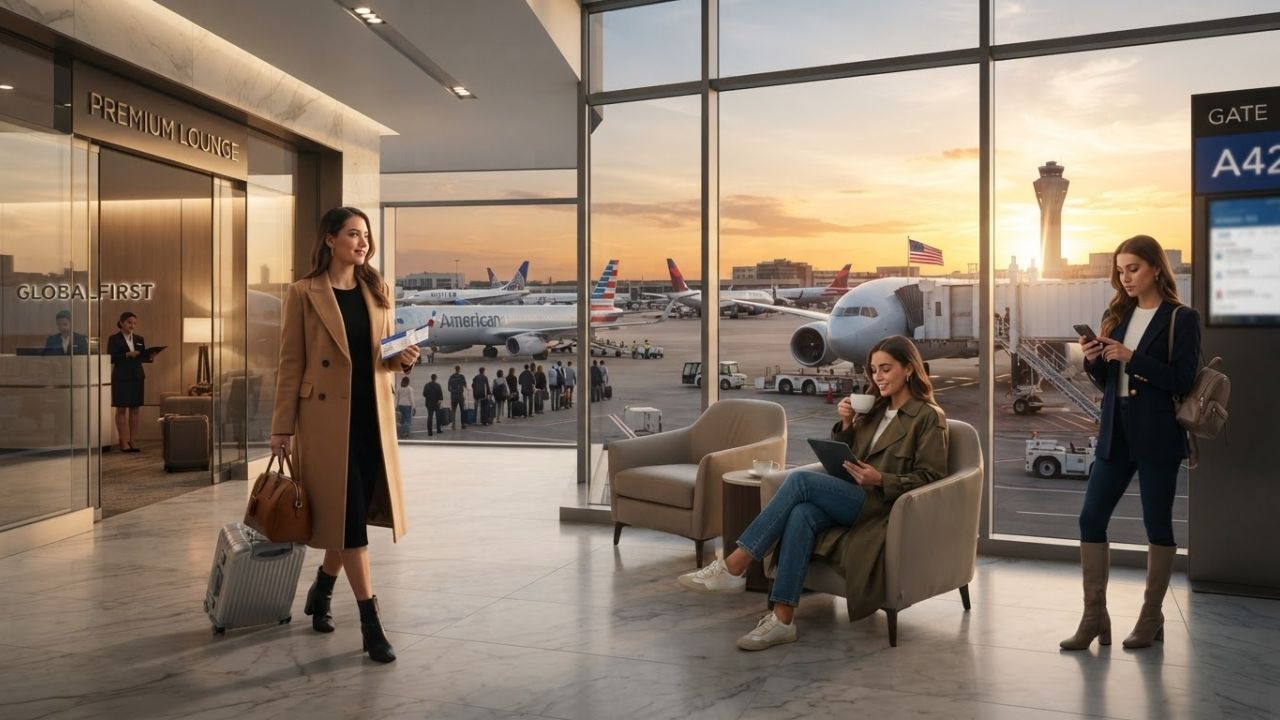
Image generated by AI
[New York, July 9, 2026] — The US airlines premium cabin race is intensifying as major carriers expand luxury suites and lounges to boost margins. Market trends suggest a permanent shift in passenger preferences, with leisure travelers increasingly trading up for comfort. This premium push has created a widening fare divide between front-cabin passengers and budget flyers in basic economy.
Industry observers note that the traditional upgrade model is shifting. Airlines now price and sell premium inventory rather than distributing complimentary upgrades to frequent flyers. The result is a highly segmented onboard experience, dividing passengers by their willingness to pay for space and convenience.
Delta and American Redesign Cabins to Capture Premium Revenue
Major network carriers are aggressively reorganizing their fleets around high-yield seating configurations. For example, Delta Air Lines reported a 14 percent growth in premium cabin revenue during the March quarter of 2026. The airline is actively increasing the proportion of premium seats across its mainline fleet during scheduled cabin retrofits.
Similarly, American Airlines is deploying newly configured Boeing 787-9 aircraft on long-haul routes connecting hubs like London, Auckland, Brisbane, and Buenos Aires. These aircraft feature 51 Flagship Suite seats and 32 Premium Economy seats, prioritizing premium real estate. United Airlines is also participating in the cabin race, installing 99 premium seats and new Polaris Studio suites on its Boeing 787-9 aircraft.
Unbundled Basic Economy Fares Drive Billions in Ancillary Fee Revenue
While premium passengers enjoy bundled amenities, budget flyers face unbundled pricing models that increase the total cost of travel. Basic economy tickets often exclude seat selection, carry-on bags, and ticket flexibility. This unbundled structure forces passengers to pay add-on fees, which have become a primary driver of airline profitability.
According to data compiled by the US Bureau of Transportation Statistics (BTS), US scheduled passenger airlines earned $7.4 billion from baggage fees in 2025. Domestic baggage fees alone accounted for $6 billion of this total operating revenue. This fee structure means that the initial search engine price rarely reflects the final checkout cost for budget travelers.
Diverging Onboard Experiences Shape Modern Airline Fleets
The physical layout of modern aircraft reflects the deepening segmentation of the passenger market. Front-cabin passengers gain access to lie-flat beds, privacy doors, plated dining, and priority boarding lanes. Meanwhile, basic economy passengers occupy seats with less legroom and must navigate strict restrictions on carry-on luggage.
Some airlines argue that premium investments benefit the entire aircraft through upgraded seatback entertainment and faster onboard Wi-Fi. However, the vast majority of capital expenditure remains focused on the front of the aircraft. For budget travelers, selecting a flight is increasingly based on minimizing fees rather than brand loyalty.
Key Takeaways
- Premium Revenue Focus: Major US airlines are expanding premium seats, Polaris suites, and Flagship cabins to target high-spend leisure travelers.
- Delta Financial Performance: Delta Air Lines recorded a 14 percent increase in premium cabin revenue during the March quarter of 2026.
- American Fleet Configuration: American's upgraded Boeing 787-9 aircraft feature 51 Flagship Suite seats and 32 Premium Economy seats.
- Record Baggage Fees: The US Bureau of Transportation Statistics reported that US airlines earned $7.4 billion from baggage fees in 2025.
- Deepening Fare Divide: Budget travelers face unbundled basic economy tickets where seat selection, bags, and flexibility incur extra costs.
The table below outlines the premium seat configurations and revenue metrics across major US airlines:
| Airline & Metric Group | Passenger Product | Seat or Revenue Configuration | Target Long-Haul Markets |
|---|---|---|---|
| Delta Air Lines | Mainline Fleet | 14% Premium Revenue Growth (Q1 2026) | Global Network |
| American Airlines | Boeing 787-9 | 51 Flagship Suites / 32 Premium Economy | London, Auckland, Brisbane, Buenos Aires |
| United Airlines | Boeing 787-9 | 99 Premium Seats / Polaris Studio Suites | Global Trunk Routes |
| Industry Baggage Revenue | US Carriers | $7.4 Billion Total ($6 Billion Domestic) | 2025 Calendar Year |
Why This Matters
Our analysis indicates that this premium cabin push represents a fundamental restructuring of airline economics away from market share toward yield optimization. By segmenting the cabin, airlines can extract maximum revenue from price-insensitive passengers while maintaining low headline fares to attract price-sensitive travelers. This unbundled basic economy strategy serves as a hedging mechanism against rising labor and fuel costs.
Additionally, the reliance on ancillary fees like the $7.4 billion in baggage revenue shows that passenger yield is no longer determined solely by the base ticket price. For global destinations, this shift means that premium-heavy routes will attract wealthier, higher-spending visitors, while budget-reliant destinations may experience slower growth as add-on fees increase the total trip cost for families.
FAQ
Why are US airlines focusing on premium cabins instead of economy? Airlines achieve higher profit margins on premium seats, which are increasingly purchased by affluent leisure travelers rather than just corporate flyers.
How much did US airlines earn from baggage fees recently? According to the US Bureau of Transportation Statistics, scheduled US airlines earned $7.4 billion from baggage fees in 2025, with $6 billion coming from domestic flights.
What is the difference between basic economy and premium fares? Basic economy unbundles standard amenities, charging extra for baggage, seat selection, and ticket changes, whereas premium fares bundle these services with extra space and priority access.
Related Travel Guides
- Republic Airways Flight RPA4436 Diverts to Roanoke Regional Airport After Mid-Route Interruption on LaGuardia to Raleigh-Durham Flight
- JetBlue Airways Airbus A320 Flight JBU197 Executes Precautionary Return to Boston Logan International Airport During Transcontinental Route
- Qantas Airways Boosts International Flight Frequencies to Japan and New Zealand, Adding 45,000 Seats for Peak Holiday Transit
Disclaimer
This article is for informational and educational purposes only. It does not constitute legal, financial, or professional advice. While we strive to provide accurate and up-to-date information, travel policies, regulations, and conditions change rapidly. Always verify information with official sources before making travel decisions. Nomad Lawyer makes no representations about the accuracy, reliability, completeness, or suitability of the information provided. Readers should consult qualified professionals for advice specific to their circumstances. The views expressed in this article are those of the author and do not necessarily reflect the views of Nomad Lawyer.
Kunal K Choudhary
Co-Founder & Contributor
A passionate traveller and tech enthusiast. Kunal contributes to the vision and growth of Nomad Lawyer, bringing fresh perspectives and driving the community forward.
Learn more about our team →