
US and 100 Nations Align on AI and Seamless Travel at 26th WTTC Global Summit in Malta 2026
Over 1,000 delegates at the 26th WTTC Global Summit in Valletta are redefining passenger rights and border efficiency through AI and biometric integration.

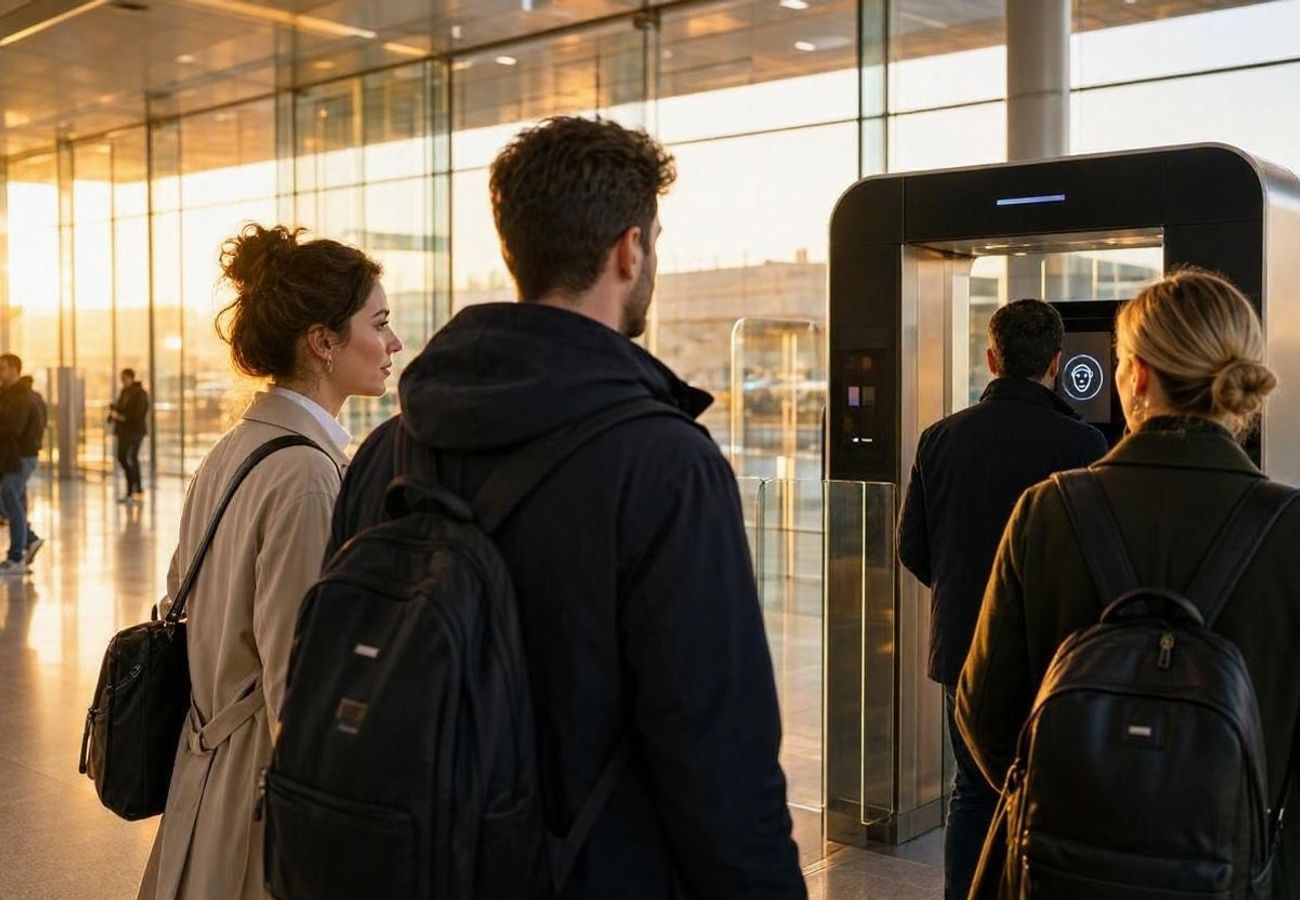
Image generated by AI
Imagine a world where your passport is a relic of the past, and your biometric signature clears you through customs in seconds, regardless of whether you are landing in Valletta, New York, or New Delhi. For the 1,000 delegates currently gathered in Malta, this is not a futuristic dream but the immediate policy agenda for the next decade of global transit.
The 26th WTTC Global Summit: A Blueprint for Future Transit
From October 7 to 9, 2026, the city of Valletta, Malta, has become the epicenter of global tourism policy. The 26th World Travel & Tourism Council (WTTC) Global Summit, themed “FUTU[RE]SET: Shaping the Future of Travel & Tourism,” is currently hosting a massive assembly of tourism ministers, government officials, and over 200 CEOs.
The summit, organized in collaboration with the Malta Tourism Authority and the Maltese government, is addressing a critical shift: moving away from measuring tourism success solely by arrival numbers and instead focusing on infrastructure resilience, digital transformation, and the "seamless" movement of people.
The economic stakes are staggering. According to WTTC data, the Travel & Tourism sector contributed US$11.6 trillion to the global economy in 2025, accounting for 9.8% of the global GDP and supporting 366 million jobs. With a projected sector expansion of 2.5% for 2026—and a more aggressive 3.1% growth forecast for Europe—the summit is focused on preventing the infrastructure collapse that often accompanies such rapid scaling.
Key Global Representatives and Participating Nations
The summit has seen a rare alignment of interests between the United States, Mexico, and 98 other nations. The presence of high-level officials indicates a push toward standardized digital identity frameworks.
| Country/Entity | Confirmed Representative(s) |
|---|---|
| United States | Nick Adams (Minister for Tourism), Robert O’Leary |
| Mexico | Bernardo Cueto, Michelle Fridman |
| India | Gajendra Singh Shekhawat, Suman Billa |
| Spain | Jordi Hereu, Rosario Sánchez Grau |
| Italy | Gianmarco Mazzi |
| South Africa | Patricia de Lille |
| Greece | Olga Kefalogianni |
| Croatia | Tonči Glavina |
| Türkiye | Mehmet Nuri Ersoy |
| Egypt | Sherif Fathy Attia |
| Saudi Arabia | Abdulmohsen Al-Mazyad |
| Canada | Justin Trudeau (Former Prime Minister) |
| European Union | European Commission representatives |
| Malta | Silvio Schembri, Jonathan Attard |
Your Rights as a Passenger in the Age of AI and Biometrics
As the WTTC pushes for "seamless travel"—specifically the integration of AI-enabled visa processes and biometric border controls—passengers must be aware of how their legal protections evolve. While biometrics speed up queues, they introduce new complexities regarding data privacy and automated denials.
1. Data Privacy and GDPR: For those traveling through the EU (including Malta), the General Data Protection Regulation (GDPR) remains the gold standard. Any biometric data collected for "seamless travel" must be processed lawfully, transparently, and for a specific purpose. You have the right to know how your facial recognition data is stored and the right to request its deletion.
2. Automated Decision-Making: Under EU law, passengers have the right not to be subject to a decision based solely on automated processing (AI) if it produces legal effects. If an AI-driven visa or border system denies your entry, you are entitled to human intervention to review that decision.
3. Flight Disruption Protections: While the summit discusses growth, the reality of increased traffic is more delays. Passengers departing from EU airports remain protected under EU261/2004, which mandates compensation up to €600 for long-haul cancellations. In the US, passengers should monitor the Department of Transportation (DOT) guidelines regarding automatic refunds for significantly delayed or cancelled flights.
Rebooking Strategy and Digital Alternatives
As the industry shifts toward the "FUTU[RE]SET" model, travelers should adapt their logistics to avoid the congestion mentioned by European leaders at the summit.
Avoid the "Overtourism" Trap: With Europe's visitor spending projected to rise by 5.8% in 2026, primary hubs are reaching capacity. If your primary destination is experiencing extreme congestion, consider "secondary city" alternatives. For example, if Mediterranean hubs are bottlenecked, explore emerging connectivity in Central Europe or the Baltics.
Leverage Real-Time Tracking: To manage the "fragmented" nature of current global travel standards, use tools like FlightRadar24 to monitor aircraft rotations. If your flight is cancelled, do not wait in the airport queue; use the airline's app immediately to check for alternative routes via partner carriers.
Refund vs. Rebooking: With AI now powering most airline rebooking engines, the first "automated" option offered is often the least convenient. Always ask for a full refund to your original payment method if the alternative flight offered is more than 5 hours later than your original departure, then use those funds to book a competitor.
FAQ: WTTC Global Summit 2026
What is "seamless travel" and how does it affect me? It is the push to replace physical documents with biometric data (facial recognition, fingerprints) and digital visas. For you, it means faster border crossings but requires higher vigilance regarding your digital privacy and data consent.
Will AI replace human customer service in travel? The WTTC is discussing AI for personalization and demand forecasting. While chatbots will handle more initial queries, legal frameworks in the EU and US still protect your right to human assistance for complex disputes or compensation claims.
Is Europe becoming too crowded for tourists in 2026? WTTC reports a 3.1% growth forecast for Europe. While demand is high, officials are shifting toward "destination stewardship," meaning you may see more limits on visitor numbers at major landmarks to protect local quality of life.
Am I entitled to compensation for delays caused by new tech implementations? Yes. Whether a delay is caused by a technical glitch in a new biometric system or a traditional mechanical failure, your rights under EU261 or US DOT rules remain the same.
The future of travel is biometric, but your rights remain human.
Related Travel Guides
Disclaimer
This article is for informational and educational purposes only. It does not constitute legal, financial, or professional advice. While we strive to provide accurate and up-to-date information, travel policies, regulations, and conditions change rapidly. Always verify information with official sources before making travel decisions. Nomad Lawyer makes no representations about the accuracy, reliability, completeness, or suitability of the information provided. Readers should consult qualified professionals for advice specific to their circumstances. The views expressed in this article are those of the author and do not necessarily reflect the views of Nomad Lawyer.
Kunal K Choudhary
Co-Founder & Contributor
A passionate traveller and tech enthusiast. Kunal contributes to the vision and growth of Nomad Lawyer, bringing fresh perspectives and driving the community forward.
Learn more about our team →