
Air Canada Expands Long-Haul Network with Extended A321XLR Operations, Reshaping Transatlantic and Transpacific Travel
Breaking airline news and aviation industry updates for 2026.

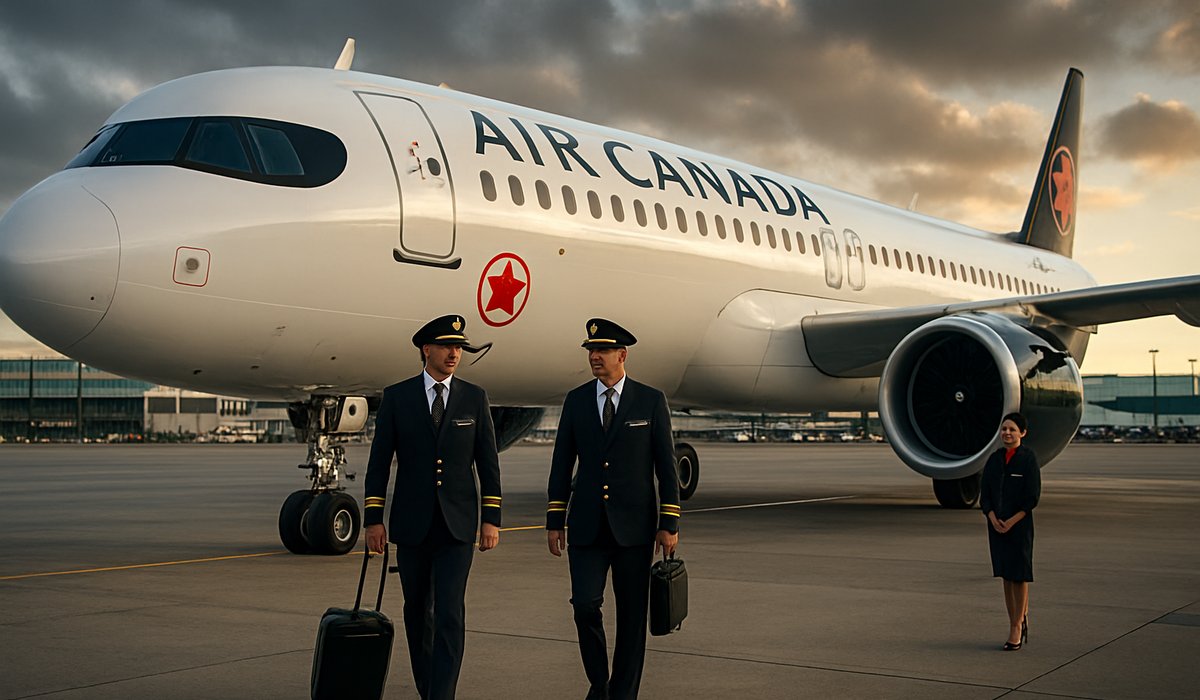
Image generated by AI
Air Canada Expands Long-Haul Network with Extended A321XLR Operations, Reshaping Transatlantic and Transpacific Travel
The carrier joins elite ranks of global operators with ambitious schedule of extended-range flights between May and December 2026
Air Canada Establishes Major Long-Haul Presence
Air Canada has cemented its position as one of the world's leading long-haul operators, commanding an estimated 120 daily nonstop departures across extended routes during the May-to-December 2026 period. The Canadian carrier now ranks 11th globally among more than 160 scheduled passenger airlines operating long-distance services, reflecting a significant expansion in its transcontinental and transoceanic flight offerings.
New Aircraft Technology Enables Route Expansion
The expansion is powered by Air Canada's deployment of the Airbus A321XLR, an extended-range variant capable of sustaining flights lasting up to nine hours without refueling. This aircraft represents a watershed moment for the aviation industry, enabling carriers to establish point-to-point connections previously requiring intermediate stops or larger wide-body aircraft.
The A321XLR's introduction has fundamentally altered route economics, allowing Air Canada to access secondary and tertiary markets across the Atlantic and Pacific regions. Industry analysts note that this aircraft class reduces operational costs compared to traditional twin-aisle jets while maintaining passenger comfort standards across extended-range itineraries.
Competitive Positioning in Global Aviation
Air Canada's aggressive scheduling reflects broader industry trends as carriers compete to capture growing demand for premium long-haul connectivity. The airline's 11th-place ranking among global operators underscores the competitive intensity of the long-distance aviation sector, where carriers from Europe, the Middle East, and Asia-Pacific have traditionally dominated market share.
The expansion also carries implications for jet fuel demand and airline operating margins. As carriers add more long-haul capacity, exposure to volatile fuel prices intensifies—a critical consideration given recent fluctuations in crude oil markets. Airlines typically pass these costs to consumers through base fares and ancillary charges, including baggage fees and seat selection premiums.
Market Impact and Travel Consumer Implications
For travelers, Air Canada's enhanced network promises increased frequency and more direct routing options, potentially reducing overall journey times. However, the expansion also signals that airlines will continue leveraging newer, fuel-efficient aircraft to maintain competitiveness while managing jet fuel expenses.
The carrier's strategic positioning reflects confidence in postpandemic travel demand recovery, particularly among business and premium leisure segments that prioritize nonstop connectivity. With more than 160 airlines now operating long-haul services globally, the competitive landscape remains highly fragmented—a dynamic that could influence future airline fees and pricing strategies across the aviation sector.
FAQ: Air Canada A321XLR Routes and Long-Haul Aviation
What is the Airbus A321XLR and why does it matter for airlines? The A321XLR is an extended-range narrowbody aircraft capable of sustaining flights up to nine hours. It enables airlines like Air Canada to operate long-haul routes with lower fuel consumption and operational costs compared to traditional wide-body jets, making previously unprofitable routes economically viable.
How many long-haul flights does Air Canada operate daily? Air Canada maintains approximately 120 daily nonstop long-haul departures between May and December 2026, positioning the carrier as the 11th-largest global operator in this category among 160+ scheduled passenger airlines.
Will Air Canada's route expansion affect airline fees and baggage charges? Potentially. As carriers expand capacity and exposure to volatile jet fuel prices, they often adjust ancillary pricing structures, including baggage fees and seat selection charges, to maintain profit margins.
Which routes benefit most from A321XLR technology? The aircraft excels on transatlantic and transpacific routes connecting secondary markets—routes previously requiring either larger aircraft or intermediate stops. This includes City Pair connections where demand doesn't justify wide-body deployment.
How does Air Canada's expansion compare to competitors? Air Canada ranks 11th globally in long-haul operations, competing against major carriers from Europe, the Middle East, and Asia-Pacific. The expansion demonstrates strategic confidence in recovering leisure and business travel demand while managing aviation industry cost pressures.
Related Travel Guides
- Egypt Strengthens Tourism Ties with Italy Through Strategic Aviation and Travel Partnerships
- Iberia, Delta, and British Airways Spark Severe Travel Chaos in Spain as 9 Critical Flights Are Abruptly Cancelled Across Madrid, Barcelona, and Malaga: Latest Airline News
- Miami Airport Chaos: 88 Delays and 6 Cancellations Disrupt Travel
Disclaimer
This article is for informational and educational purposes only. It does not constitute legal, financial, or professional advice. While we strive to provide accurate and up-to-date information, travel policies, regulations, and conditions change rapidly. Always verify information with official sources before making travel decisions. Nomad Lawyer makes no representations about the accuracy, reliability, completeness, or suitability of the information provided. Readers should consult qualified professionals for advice specific to their circumstances. The views expressed in this article are those of the author and do not necessarily reflect the views of Nomad Lawyer.
Preeti Gunjan
Contributor & Community Manager
A passionate traveller and community builder. Preeti helps grow the Nomad Lawyer community, fostering engagement and bringing the reader experience to life.
Learn more about our team →