
Airbus A380 Defies Predictions: The Superjumbo's Unlikely Path to Aviation Redemption
Breaking airline news and aviation industry updates for 2026.

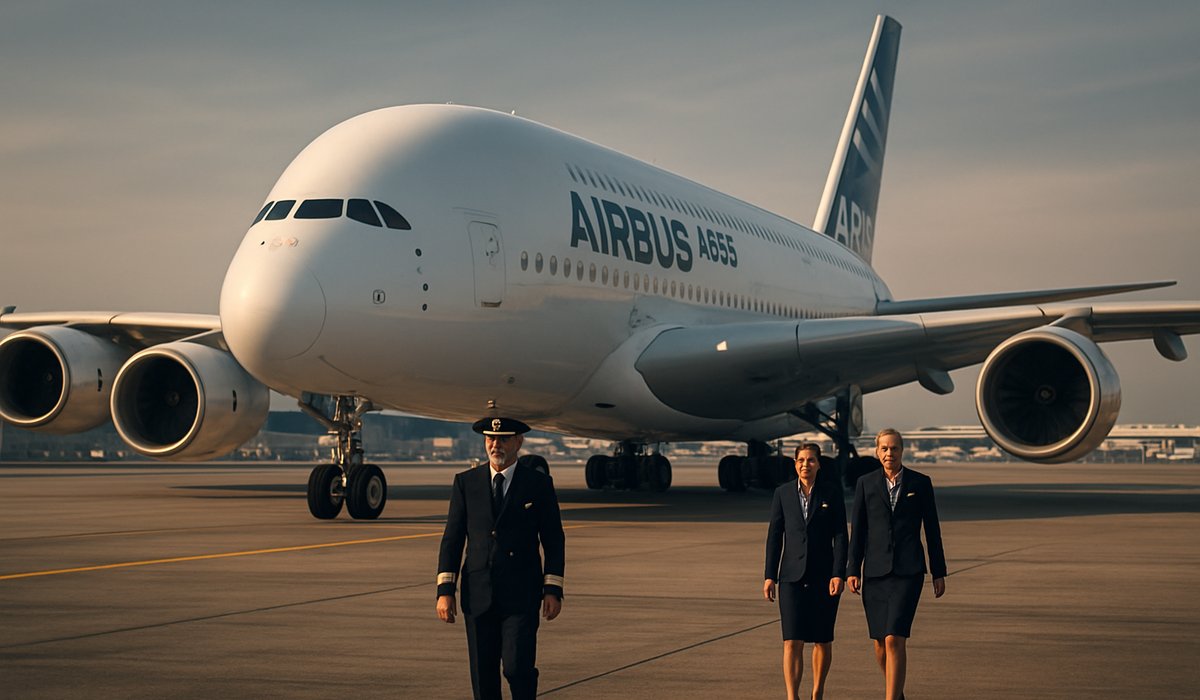
Image generated by AI
Airbus A380 Defies Predictions: The Superjumbo's Unlikely Path to Aviation Redemption
Once written off by major carriers, the double-decker giant is staging an extraordinary comeback that challenges industry forecasts and reshapes long-haul aviation strategy
The Aircraft Nobody Wanted Is Now in Demand Again
The Airbus A380—aviation's most ambitious and controversial aircraft—has orchestrated one of the most dramatic reversals in commercial aviation history. Just three years ago, the massive double-decker jet seemed destined for obscurity, with leading international carriers retiring their fleets and industry experts declaring the superjumbo a cautionary tale of overambition. Today, that narrative has fundamentally shifted, as airlines worldwide are scrambling to reactivate and redeploy these 555-seat giants on their most profitable long-haul routes.
This unexpected renaissance contradicts widespread predictions and raises critical questions about aviation's future capacity needs, operational economics, and post-pandemic travel recovery patterns.
Why Airlines Abandoned the A380—And Why They're Taking It Back
The A380's initial decline stemmed from multiple converging factors: stratospheric fuel consumption during volatile commodity markets, massive maintenance costs, limited airport infrastructure to accommodate the aircraft's sprawling dimensions, and shifting airline preferences toward smaller, more nimble widebody jets like the Boeing 787 and Airbus A350.
However, the resurgence reflects a fundamental market recalibration. Recovery from pandemic disruptions has generated unprecedented demand for premium international routes, particularly connecting Asia-Pacific, Middle East, and European hubs. Point-to-point passenger volumes on ultra-long-haul flights have exceeded pre-2020 levels, making the A380's 555-seat capacity economically compelling despite higher operating expenses.
Additionally, improved fuel efficiency technologies, better route optimization software, and network restructuring have reduced the aircraft's economic penalty relative to competing widebodies.
Mechanical and Operational Evolution
Modern iterations of the A380 incorporate significant engineering enhancements that improve reliability, reduce unscheduled maintenance, and lower per-seat operational costs. Airlines have also refined crew training protocols and spare parts availability, eliminating logistical bottlenecks that plagued early operations.
The aircraft's double-deck configuration provides unmatched passenger capacity on capacity-constrained routes, generating revenue per flight that smaller competitors cannot match during peak travel seasons.
What This Means for the Aviation Industry
The A380's resurgence signals that ultra-high-capacity aircraft retain strategic value in an era of expanding premium travel demand. This challenges the industry consensus that favored smaller, fuel-efficient designs and suggests airlines may have underestimated long-haul demand elasticity in emerging markets.
Frequently Asked Questions
Why did airlines stop using the A380 initially? Fuel costs, maintenance expenses, and limited airport infrastructure made smaller widebodies more economical during the 2010s.
Which airlines are bringing back the A380? Emirates, Singapore Airlines, and other premium carriers operating high-demand routes are reactivating their fleets.
Is the A380 fuel-efficient by modern standards? While it consumes significant fuel in absolute terms, per-passenger fuel consumption remains competitive with older widebodies on high-capacity routes.
Will Airbus resume A380 production? Current plans remain uncertain, though sustained demand could prompt reconsideration of manufacturing decisions.
What routes benefit most from A380 deployment? Ultra-long-haul flights between major hubs (Dubai-London, Singapore-Sydney) with consistent premium-cabin demand show the strongest economics.
Related Travel Guides
Disclaimer
This article is for informational and educational purposes only. It does not constitute legal, financial, or professional advice. While we strive to provide accurate and up-to-date information, travel policies, regulations, and conditions change rapidly. Always verify information with official sources before making travel decisions. Nomad Lawyer makes no representations about the accuracy, reliability, completeness, or suitability of the information provided. Readers should consult qualified professionals for advice specific to their circumstances. The views expressed in this article are those of the author and do not necessarily reflect the views of Nomad Lawyer.
Preeti Gunjan
Contributor & Community Manager
A passionate traveller and community builder. Preeti helps grow the Nomad Lawyer community, fostering engagement and bringing the reader experience to life.
Learn more about our team →