
United Global Carriers Align on Window Shade Evacuation Safety Protocol
Five major international airlines—United, Delta, Emirates, Singapore Airlines, and British Airways—have unified window shade procedures for aircraft safety in 2026, establishing standardized protocols to accelerate emergency evacuations.

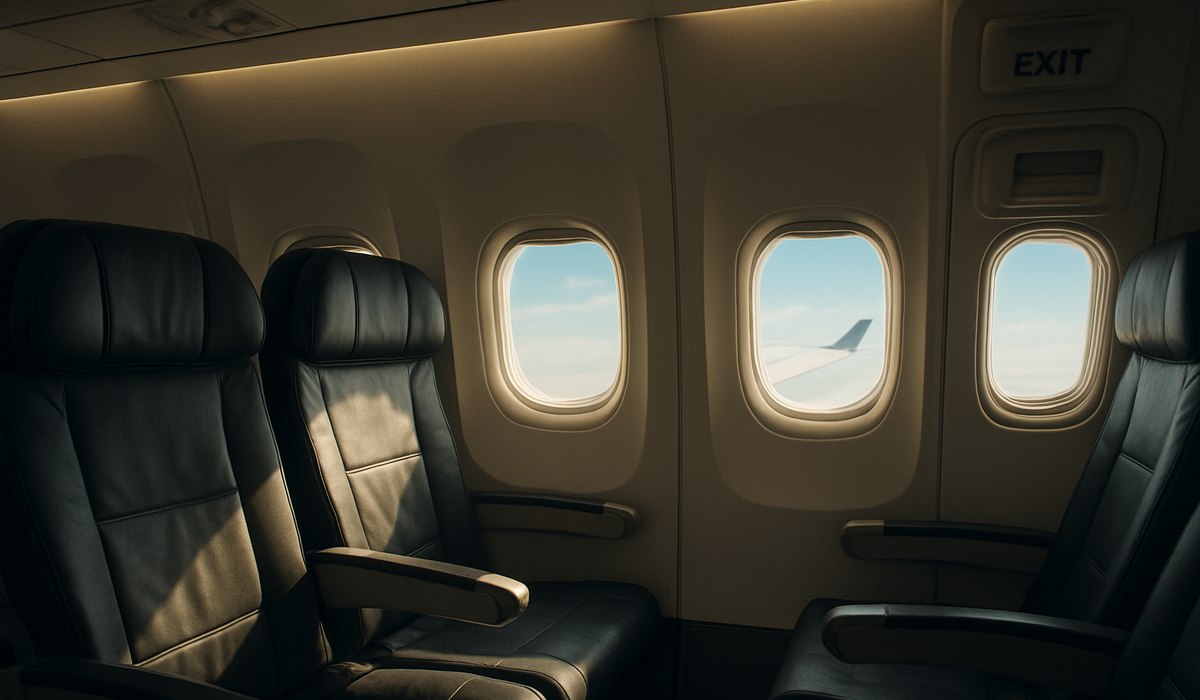
Image generated by AI
Major International Airlines Formalize Window Shade Requirements During Flight Emergencies
United Airlines, Delta Air Lines, Emirates, Singapore Airlines, and British Airways have jointly announced a standardized safety bulletin formalizing window shade procedures during critical flight phases. The initiative aims to accelerate emergency evacuation timelines by ensuring cabin crew can assess exterior conditions and identify safe exit routes. The announcement marks a significant shift from treating window shade positioning as informal best practice to establishing it as a formal operational requirement across United global carriers serving international routes.
This collaborative effort prioritizes passenger safety during the most critical 90-second evacuation window mandated by aviation authorities worldwide. The protocol requires passengers to raise window shades during taxi, takeoff, landing, and emergency situations, enabling real-time situational awareness for both cabin crew and emergency responders on the ground.
Global Carriers Standardize Window Shade Safety Protocol
The five-airline coalition recognizes that window shade positioning directly impacts evacuation efficiency. When shades remain open, cabin crew gain immediate visual access to detect external hazards including fire, smoke, debris, and obstructed emergency exits. This visual assessment proves critical when aircraft emergency systems activate and evacuation becomes necessary.
According to industry safety assessments, United global carriers have identified window shade management as one of several cumulative factors influencing evacuation speed. Alongside seat back positioning, tray table storage, and proper baggage stowage, open window shades reduce physical obstacles and improve crew sightlines throughout the cabin. Emergency responders positioned outside the aircraft also benefit significantly, as visible cabin interiors allow them to locate passengers and coordinate rescue operations more effectively, particularly when smoke accumulation reduces visibility.
The standardization effort reflects a coordinated response to international regulatory frameworks. While the Federal Aviation Administration (FAA), European Union Aviation Safety Agency (EASA), and International Civil Aviation Organization (ICAO) establish broad evacuation performance standards, individual carriers retain flexibility in implementing specific procedures. This new bulletin translates regulatory objectives into explicit passenger-facing instructions, moving beyond recommendations toward formal operational requirements.
How Open Shades Accelerate Emergency Response Operations
When aircraft emergencies occur, crew members must make rapid decisions regarding evacuation routes and passenger coordination. Open window shades eliminate the need for crew to manually check each window position, saving critical seconds during high-stress situations. Natural light flowing through open windows provides orientation cues for disoriented passengers attempting to locate emergency exits in smoky or darkened cabin environments.
Research on real-world aviation emergencies demonstrates that evacuation procedures must account for passenger confusion and movement delays. The 90-second evacuation standard established by aviation authorities assumes optimal conditions, including clear visibility and unobstructed pathways. Closed window shades create unnecessary visual barriers that prevent passengers from understanding the aircraft's external position and available exit options.
Furthermore, open shades improve crew communication effectiveness. Cabin attendants can visually confirm exit door accessibility without relying solely on intercom systems that may malfunction during emergencies. This visual verification protocol has been adopted widely by international carriers including Emirates and Singapore Airlines, where cabin crews routinely request open shades during pre-flight safety checks.
The United global carriers coalition recognizes that passenger compliance requires clear, consistent messaging. By establishing uniform procedures across multiple airlines, the bulletin addresses the operational confusion that arose when individual carriers maintained varying shade protocols on different aircraft and routes.
The 90-Second Evacuation Challenge and Window Shade Requirements
Aviation regulations mandate that all certified aircraft evacuate completely within 90 seconds during emergency scenarios. This compressed timeframe creates substantial challenges for cabin crew managing passenger movement, wheelchair assistance, and coordination with emergency services. Every second saved through streamlined procedures directly contributes to successful evacuations.
Window shade positioning represents a controllable variable within crew management protocols. Unlike aircraft design elements or passenger behavior factors, shade position requires only passenger compliance and crew reinforcement during safety briefings. The United global carriers bulletin frames open shades as a specific, measurable action passengers can take to support rapid evacuation.
Evacuation drills involving commercial aircraft demonstrate that visual clarity significantly reduces passenger movement time. When windows remain open, passengers experience better spatial awareness of their location within the cabin structure and proximity to emergency exits. This psychological benefit translates into faster movement rates and more orderly evacuation sequences.
International carriers operating long-haul routes have historically maintained more explicit shade protocols than domestic operators. The new standardization effort aims to eliminate regional variation and establish consistent safety culture across all participating airlines' global networks.
What Passengers Need to Know About Updated Shade Procedures
Travelers flying on United, Delta, Emirates, Singapore Airlines, and British Airways should expect cabin crew reinforcement of window shade requirements during standard safety briefings. Flight attendants will specifically request that passengers raise window shades during taxi, takeoff, landing, and any emergency situations. This requirement applies to all cabin seating locations, with particular emphasis on exit-row passengers who bear additional emergency responsibilities.
Passengers should anticipate that crew members may politely but firmly request shade closure after climb is completed and the aircraft reaches cruising altitude. This timing reflects the regulatory framework identifying takeoff and landing as high-risk phases requiring maximum visibility. During cruise flight, passengers retain greater discretion regarding personal window shade preferences, provided shades are immediately raised if cabin crew issue emergency instructions.
Modern aircraft designs feature individually controlled window shades, enabling crew to implement the new protocol without requiring passenger movement or physical assistance. Passengers unfamiliar with shade mechanisms should ask flight attendants for demonstration during boarding, particularly on aircraft types they fly infrequently.
For passengers with light sensitivity, medical conditions, or sleeping preferences during long flights, the new requirements present minimal hardship because the shade protocol applies only to designated critical flight phases. Understanding this distinction helps passengers balance personal comfort with safety compliance during the most risk-sensitive portions of flight operations.
| Carrier | Region | Shade Protocol Status | Evacuation Standard (Seconds) | Effective Date | Passenger Communication Method |
|---|---|---|---|---|---|
| United Airlines | North America/Global | Standardized - Formal | 90 | April 2026 | Safety briefing, seat pocket card, cabin crew announcement |
| Delta Air Lines | North America/Global | Standardized - Formal | 90 | April 2026 | Safety briefing, digital seatback display, cabin crew announcement |
| Emirates | Middle East/Global | Pre-existing - Enhanced | 90 | April 2026 | Routine cabin crew request, safety video, multilingual briefing |
| Singapore Airlines | Asia-Pacific/Global | Pre-existing - Enhanced | 90 | April 2026 | Cabin crew briefing, in-flight magazine, app notification |
| British Airways | Europe/Global | Pre-existing - Enhanced | 90 | April 2026 | Safety briefing, cabin crew request, seatback pocket materials |
What This Means for Travelers
The window shade protocol formalization affects millions of annual passengers across United global carriers' combined networks. Here are essential actionable takeaways for frequent and occasional flyers:
-
Comply with crew requests immediately: Cabin crew requests for window shade adjustment during taxi, takeoff, landing, or emergencies represent mandatory safety procedures. Prompt compliance supports rapid evacuation preparation and demonstrates safety awareness to flight staff.
-
Expect routine crew reinforcement: Flight attendants will increasingly reference window shade positioning during standard safety briefings and pre-flight cabin checks. This represents normal safety protocol, not crew preference or personal preference.
-
Plan for comfort during designated phases: Passengers preferring window shade closure for sleeping should plan rest periods during cruise flight when shade control returns to passenger discretion. Noise-canceling headphones and eye masks provide alternative comfort solutions during critical flight phases.
-
Educate traveling companions: Discuss the new protocol with family members and traveling companions before flights, particularly children who benefit from understanding crew instructions and safety reasoning.
-
Acknowledge regional variations: While these five carriers now align procedures, other airlines may maintain different shade protocols. Always follow your specific airline's crew instructions regardless of previous flight experience.
-
**
Disclaimer
This article is for informational and educational purposes only. It does not constitute legal, financial, or professional advice. While we strive to provide accurate and up-to-date information, travel policies, regulations, and conditions change rapidly. Always verify information with official sources before making travel decisions. Nomad Lawyer makes no representations about the accuracy, reliability, completeness, or suitability of the information provided. Readers should consult qualified professionals for advice specific to their circumstances. The views expressed in this article are those of the author and do not necessarily reflect the views of Nomad Lawyer.
Raushan Kumar
Founder & Lead Developer
Full-stack developer with 11+ years of experience and a passionate traveller. Raushan built Nomad Lawyer from the ground up with a vision to create the best travel and law experience on the web.
Learn more about our team →