
United Airlines CEO Proposes Historic Merger with American Airlines to Trump Administration
Breaking airline news and aviation industry updates for 2026.

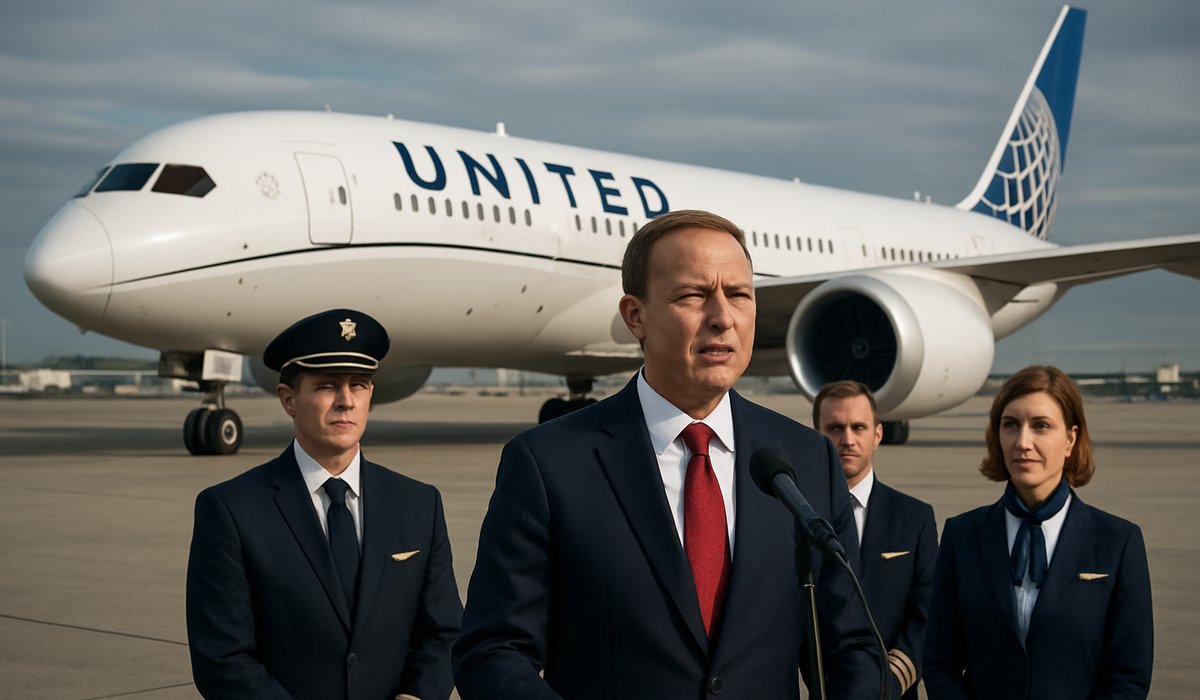
Image generated by AI
United Airlines CEO Proposes Historic Merger with American Airlines to Trump Administration
Scott Kirby pitches industry consolidation strategy amid mounting pressure from fuel costs and operational challenges
Mega-Merger Proposal Reshapes Airline Industry Landscape
United Airlines Chief Executive Scott Kirby has formally pitched a transformative merger between his carrier and rival American Airlines to the Trump administration, according to Bloomberg reporting. The proposal, unveiled during direct discussions with senior U.S. leadership, would create the world's largest airline by combining two of North America's "Big Three" carriers—a move that could fundamentally reshape the global aviation market.
The timing of the pitch underscores growing industry pressure. Kirby, who previously held the presidency at American Airlines before moving to United, argues that substantial corporate consolidation has become essential for carriers to absorb volatile operational costs, particularly the continued impact of elevated jet fuel prices on airline profitability and ticket affordability.
The Case for Scale in Modern Aviation
Kirby's rationale centers on a straightforward economic argument: aviation's largest carriers require unprecedented scale to maintain competitiveness and manage structural cost pressures. The proposed combination would integrate United's extensive international network with American's domestic dominance, creating operational efficiencies that Kirby contends are necessary for long-term sustainability.
The proposal arrives amid an industry-wide reckoning with rising expenses. Jet fuel prices remain significantly elevated compared to historical levels, forcing carriers to adjust baggage charges, ancillary fees, and base fares. These cost escalations have triggered widespread passenger frustration and regulatory scrutiny over airline fees and pricing transparency.
Regulatory and Competitive Implications
The proposal immediately raises substantial antitrust concerns. The U.S. aviation industry has experienced limited consolidation since the 2013 American-US Airways merger, which created the current American Airlines entity. A United-American combination would trigger intense Department of Justice scrutiny, particularly given evolving competitive dynamics in transatlantic and domestic markets.
The merger would face significant headwinds from congressional oversight committees and consumer advocacy groups already concerned about reduced competition pushing airline fees higher and limiting passenger choice on popular routes.
Broader Industry Pressure Points
United's proposal reflects mounting structural challenges facing legacy carriers. Beyond fuel cost volatility, airlines continue managing post-pandemic labor agreements, aircraft supply chain disruptions, and pressure to modernize aging fleets. These factors have compressed margins across the industry, prompting consolidation discussions among leadership.
American Airlines and United currently rank among the world's largest carriers by revenue and capacity, controlling substantial domestic and international route networks.
FAQ: Understanding the Proposed Airline Merger
Q: Would a United-American merger reduce airline baggage fees and travel costs? A: Consolidation typically reduces price competition short-term, potentially increasing airline fees rather than lowering them. Historical precedent from the 2013 American-US Airways merger shows limited fee reduction.
Q: How would this merger impact jet fuel price exposure for passengers? A: Larger scale could theoretically improve fuel hedging strategies, though savings rarely translate to lower ticket prices given industry competition for market share.
Q: What is the timeline for regulatory approval? A: The Department of Justice would require 12-18 months minimum for antitrust review, with approval uncertain given current competition policy.
Q: How would this merger affect airline routes and service? A: Significant network consolidation would likely eliminate duplicate routes, potentially reducing flight frequency on competitive markets while expanding capacity on profitable routes.
Q: Is consolidation the only solution to rising aviation industry costs? A: Industry experts debate alternatives including operational efficiency improvements, fleet modernization, and dynamic pricing strategies as viable cost-management approaches.
Related Travel Guides
Flight Delay Compensation Guide 2026
Understanding Airline Route Changes
Airport Security Process Updated (2026)
External Resources
Disclaimer
This article is for informational and educational purposes only. It does not constitute legal, financial, or professional advice. While we strive to provide accurate and up-to-date information, travel policies, regulations, and conditions change rapidly. Always verify information with official sources before making travel decisions. Nomad Lawyer makes no representations about the accuracy, reliability, completeness, or suitability of the information provided. Readers should consult qualified professionals for advice specific to their circumstances. The views expressed in this article are those of the author and do not necessarily reflect the views of Nomad Lawyer.
Preeti Gunjan
Contributor & Community Manager
A passionate traveller and community builder. Preeti helps grow the Nomad Lawyer community, fostering engagement and bringing the reader experience to life.
Learn more about our team →