
Unruly Passenger Forces United Airlines Trans-Pacific Flight to Divert to Tokyo
A routine long-haul journey from Shanghai to San Francisco was interrupted when a Boeing 777-300ER was forced to make an

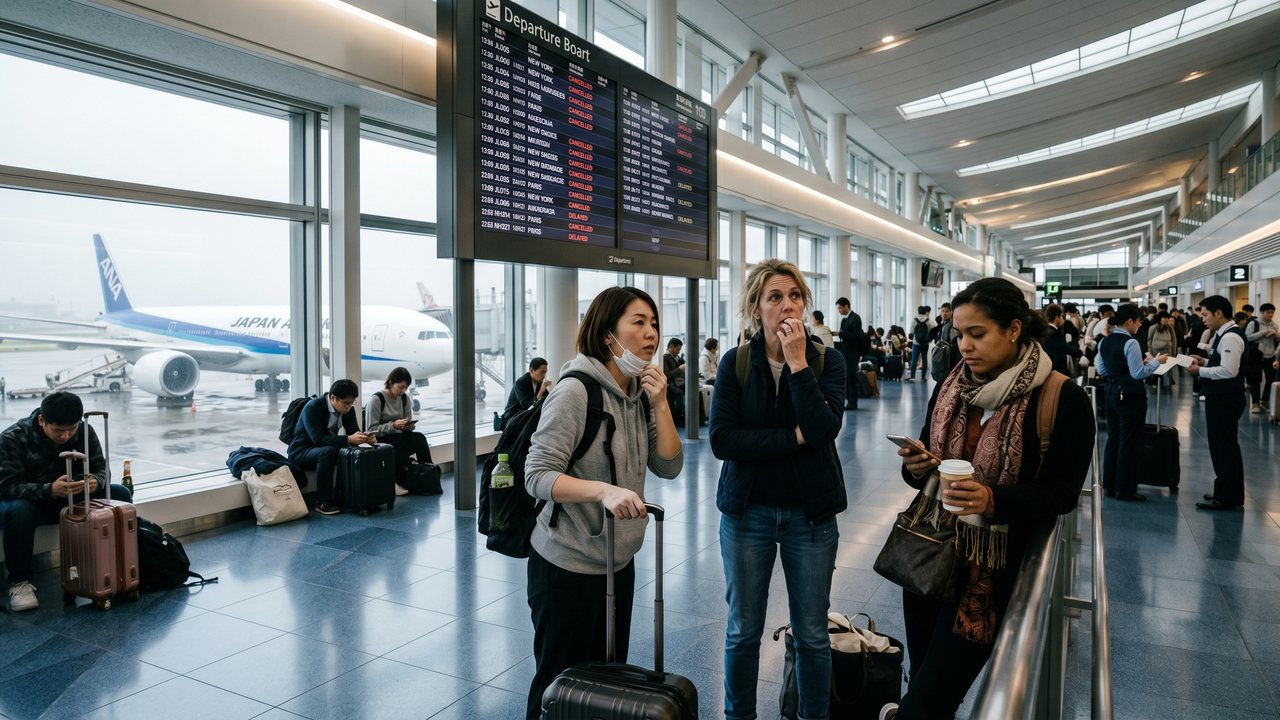
Image generated by AI
Disruptive Behavior Triggers Emergency Diversion
A scheduled United Airlines service from Shanghai Pudong International Airport (PVG) to San Francisco International Airport (SFO) was forced to deviate from its flight path on June 24. Flight UA858, operated by a Boeing 777-300ER, diverted to Tokyo Narita International Airport (NRT) after a passenger became increasingly volatile shortly after takeoff.
The incident escalated from verbal disputes to the passenger throwing personal items within the cabin. Fearing for the safety of the 285 passengers and 16 crew members, the flight deck opted to discontinue the trans-Pacific crossing and land at the nearest suitable hub.
Upon arrival in Tokyo, local law enforcement boarded the aircraft and removed the individual. Following mandatory engineering inspections to ensure the aircraft's airworthiness, the flight resumed its journey to California.
The Logistics of Trans-Pacific Diversions
Choosing Tokyo Narita as a diversion point is a strategic decision for flights crossing the Pacific. The airport possesses the infrastructure necessary to handle wide-body aircraft and the law enforcement capabilities required to manage security breaches.
Diversions on ultra-long-haul routes are not simple course corrections; they involve complex risk management. Pilots must balance several critical factors:
- Fuel Management: Aircraft fueled for intercontinental flights are often too heavy for immediate landing. Crews may need to manage fuel to meet certified structural landing weights.
- Crew Duty Limits: Unexpected stops can push flight crews toward their legal operational limits, potentially requiring schedule adjustments.
- Network Ripple Effects: Because wide-body aircraft like the Boeing 777-300ER are tightly scheduled, a diversion can delay subsequent flights assigned to that specific airframe.
Flight UA858 Operational Summary
| Detail | Information |
|---|---|
| Airline | United Airlines |
| Flight Number | UA858 |
| Aircraft Type | Boeing 777-300ER |
| Registration | N2138U |
| Original Route | Shanghai (PVG) $\rightarrow$ San Francisco (SFO) |
| Diversion Airport | Tokyo Narita (NRT) |
| Incident Date | June 24 |
| Onboard Count | 285 Passengers / 16 Crew |
| Reason | Disruptive passenger behavior |
| Outcome | Passenger removed; flight continued to SFO |
The Rising Cost of Onboard Disruptions
This incident highlights a growing trend in global aviation: a zero-tolerance approach to unruly behavior. As international travel volumes return to and exceed pre-pandemic levels, airlines are prioritizing safety over schedule performance.
The financial burden of a single disruptive passenger is substantial. Diversions involving wide-body aircraft can cost airlines tens of thousands of dollars. These expenses stem from:
- Additional Fuel: Burning fuel to reach a diversion airport and then re-climbing.
- Airport Fees: Unplanned landing, parking, and ground handling charges.
- Passenger Recovery: Costs associated with rebooking missed connections and providing customer support.
Impact Analysis: Diversion Consequences
| Operational Area | Potential Impact |
|---|---|
| Passenger Experience | Missed onward connections and significant arrival delays. |
| Aircraft Status | Mandatory technical inspections before resuming service. |
| Flight Crew | Potential duty-time expiration requiring crew swaps. |
| Airline Finances | Increased operational costs and fuel burn. |
| Network Flow | Disruption of aircraft rotations for subsequent flights. |
Key Takeaways
- Safety First: United Airlines prioritized cabin security over the flight schedule, diverting to Tokyo to remove a disruptive passenger.
- Operational Complexity: Long-haul diversions require precise fuel and weight management to ensure a safe landing.
- Industry Trend: There is an increasing global move toward stringent penalties and immediate action against unruly passengers to protect crew and travelers.
- Financial Risk: A single individual's behavior can trigger an operational chain reaction costing the airline tens of thousands of dollars.
FAQ
Why didn't the plane just continue to San Francisco? The safety of the aircraft and its occupants is the primary priority. If a passenger's behavior is deemed unpredictable or threatening, the crew must land at the nearest suitable airport to remove the threat.
How does a diversion affect other flights? Aircraft operate on a "rotation." If the plane for UA858 is delayed in Tokyo, the next flight scheduled to use that specific aircraft in San Francisco may also be delayed.
What should passengers do during a diversion? Keep essential medications and documents in carry-on luggage and monitor the airline's mobile app for real-time updates on revised itineraries.
Related Travel Guides
Disclaimer
This article is for informational and educational purposes only. It does not constitute legal, financial, or professional advice. While we strive to provide accurate and up-to-date information, travel policies, regulations, and conditions change rapidly. Always verify information with official sources before making travel decisions. Nomad Lawyer makes no representations about the accuracy, reliability, completeness, or suitability of the information provided. Readers should consult qualified professionals for advice specific to their circumstances. The views expressed in this article are those of the author and do not necessarily reflect the views of Nomad Lawyer.
Preeti Gunjan
Contributor & Community Manager
A passionate traveller and community builder. Preeti helps grow the Nomad Lawyer community, fostering engagement and bringing the reader experience to life.
Learn more about our team →