
United Airlines Launches Aggressive Fort Lauderdale-Los Angeles Expansion, Challenging Delta and JetBlue Dominance
Breaking airline news and aviation industry updates for 2026.

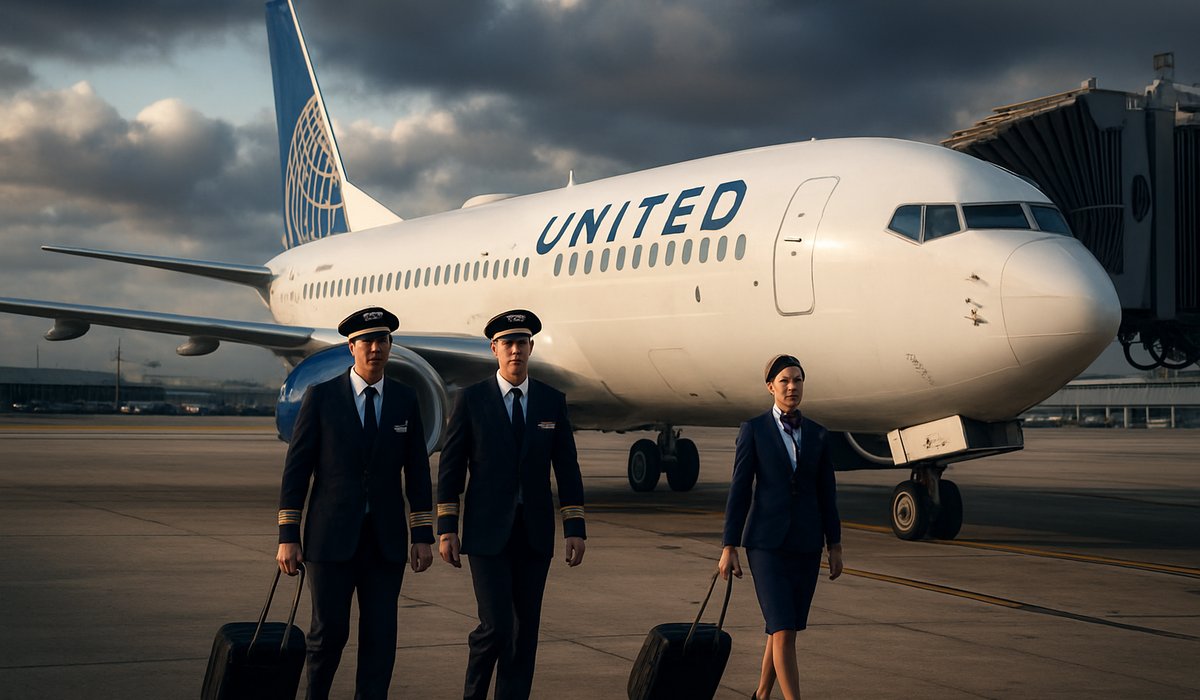
Image generated by AI
United Airlines Launches Aggressive Fort Lauderdale-Los Angeles Expansion, Challenging Delta and JetBlue Dominance
Carrier deploys new transcontinental service to capture market share in highly competitive South Florida-West Coast corridor
United Makes Bold Move Into Saturated Route
United Airlines is escalating competitive pressure in one of America's most contested domestic markets, announcing a new transcontinental service connecting Fort Lauderdale-Hollywood International Airport (FLL) to Los Angeles International Airport (LAX). The carrier's strategic entry into this high-demand corridor directly challenges the established dominance of Delta Air Lines and JetBlue Airways, which have long controlled premium positioning on this lucrative route.
The new service, commencing October 25, will initially operate five weekly flights before ramping up to twice-daily service beginning December 17—a decisive move that underscores United's determination to capture meaningful winter-season traffic from South Florida's thriving leisure and business travel markets.
Strategic Expansion Amid Industry Competition
The Fort Lauderdale-to-Los Angeles route represents one of the aviation industry's most valuable domestic corridors, connecting two major metropolitan areas with substantial tourism, business, and connecting passenger demand. United's expansion reflects broader industry trends as carriers compete fiercely for premium long-haul domestic market share, particularly as fuel costs stabilize and passenger demand rebounds across transcontinental flights.
By introducing twice-daily flights during peak winter months—typically November through March—United positions itself to capture seasonal travelers seeking alternatives to entrenched competitors. This timing is strategically significant, as South Florida experiences peak visitor arrivals during winter, generating substantial demand for connections to California's major business and leisure destinations.
Intensifying Market Dynamics
The move signals intensifying competitive dynamics within the U.S. aviation sector, where carriers increasingly deploy capacity to challenge rivals' strongholds. Delta and JetBlue have maintained strong operational presence at Fort Lauderdale, leveraging hub connectivity and established brand loyalty. United's aggressive scheduling—particularly the rapid escalation from five to ten weekly departures—suggests confidence in capturing considerable market demand.
Industry analysts note that such competitive deployments often result in reduced fares across contested routes, benefiting leisure and business travelers while pressuring airline margins. The expansion also reflects United's broader strategy to strengthen presence at secondary hub markets like Fort Lauderdale, where significant growth potential exists in transcontinental connectivity.
What This Means for Travelers
Increased competition on the FLL-LAX route will likely enhance passenger choice and potentially moderate pricing on what has historically been a premium-priced market segment. United's enhanced frequency offers improved scheduling flexibility for both leisure and business travelers, while competitive pressure may incentivize rival carriers to enhance service quality or adjust pricing strategies.
Frequently Asked Questions
What new route is United Airlines launching? United is starting transcontinental service between Fort Lauderdale-Hollywood International Airport (FLL) and Los Angeles International Airport (LAX), beginning October 25, 2024.
How many flights will United operate on this route? Service begins with five weekly flights, increasing to twice-daily (ten flights) beginning December 17, maximizing capacity during peak winter travel season.
Which airlines currently dominate the Fort Lauderdale-Los Angeles market? Delta Air Lines and JetBlue Airways have maintained strong presence and market share on this profitable transcontinental corridor.
Why is United entering this competitive market now? United aims to capture winter-season demand and build long-haul domestic presence at Fort Lauderdale, challenging established competitors while capitalizing on strong seasonal travel patterns to California.
How might this affect passenger fares and airline fees? Increased competition typically generates downward pressure on base fares and may influence ancillary charges, potentially benefiting consumers through expanded options and competitive pricing on this previously dominated route.
Related Travel Guides
Flight Delay Compensation Guide 2026
Understanding Airline Route Changes
Airport Security Process Updated (2026)
External Resources
Disclaimer
This article is for informational and educational purposes only. It does not constitute legal, financial, or professional advice. While we strive to provide accurate and up-to-date information, travel policies, regulations, and conditions change rapidly. Always verify information with official sources before making travel decisions. Nomad Lawyer makes no representations about the accuracy, reliability, completeness, or suitability of the information provided. Readers should consult qualified professionals for advice specific to their circumstances. The views expressed in this article are those of the author and do not necessarily reflect the views of Nomad Lawyer.
Raushan Kumar
Founder & Lead Developer
Full-stack developer with 11+ years of experience and a passionate traveller. Raushan built Nomad Lawyer from the ground up with a vision to create the best travel and law experience on the web.
Learn more about our team →