
United Airlines SkyWest Flight UA3362 and American Airlines AA5841 Execute Emergency Diversions on July 10 2026
Two regional aircraft, a United-operated Embraer E175LR and an American Airlines Embraer ERJ-145, were forced into emergency diversions on July 10, 2026, due to technical anomalies.

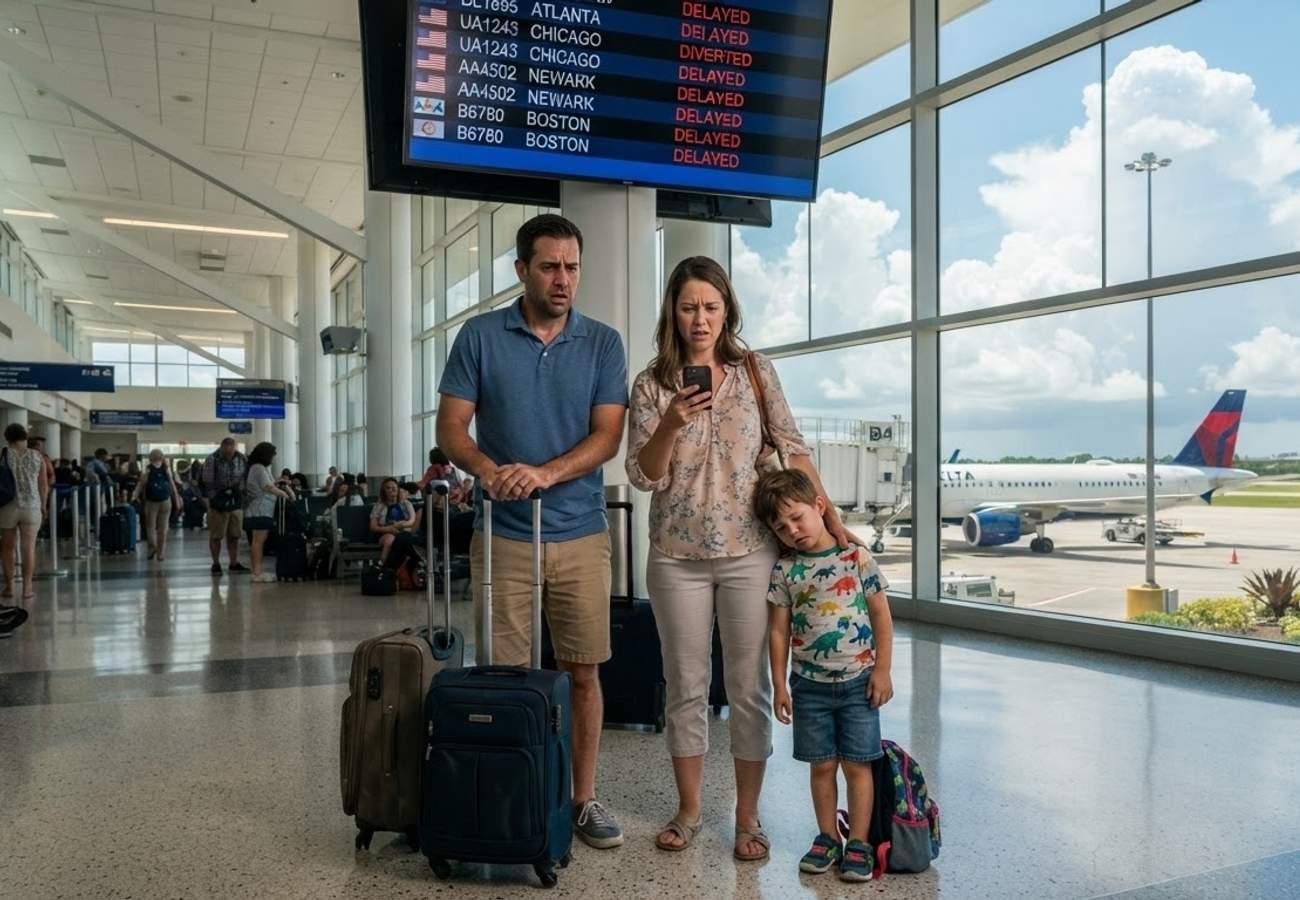
Image generated by AI
Two regional flights experienced significant operational disruptions on July 10, 2026, as technical anomalies forced flight crews to divert aircraft to ensure passenger safety.
Regional Flight Diversion Details
On July 10, 2026, two separate aviation incidents involving regional jets highlighted the strict adherence to safety protocols within U.S. airspace. The first involved United Airlines operated SkyWest flight UA3362, which was traveling from Seattle-Tacoma International Airport to Jackson Hole Airport. The aircraft, an Embraer E175LR, was forced to divert to Salt Lake City International Airport.
Simultaneously, American Airlines flight AA5841, an Embraer ERJ-145 operated by Piedmont Airlines, executed an airborne turnaround shortly after departing Harrisburg International Airport (MDT). The flight, intended for Philadelphia International Airport, returned to its origin following a technical anomaly during the initial climb phase.
Route and Aircraft Specifications
The following table outlines the specific parameters of the affected flights:
| Flight Number | Operator | Aircraft Model | Origin | Intended Destination | Diversion/Return Point | Date |
|---|---|---|---|---|---|---|
| UA3362 | SkyWest (for United) | Embraer E175LR | Seattle-Tacoma (SEA) | Jackson Hole (JAC) | Salt Lake City (SLC) | July 10, 2026 |
| AA5841 | Piedmont (for American) | Embraer ERJ-145 | Harrisburg (MDT) | Philadelphia (PHL) | Harrisburg (MDT) | July 10, 2026 |
Operational Analysis of Technical Failures
The diversion of flight UA3362 was triggered by an illuminated mechanical indicator light in the cockpit. Given the destination of Jackson Hole, which involves challenging mountainous terrain, the flight crew determined that full system validation was required before proceeding. Salt Lake City International Airport was selected as the diversion point due to its superior maintenance infrastructure and capacity to handle regional aircraft diagnostics.
In the case of flight AA5841 (Registration N649PP), the crew encountered an unresolved instrument alert during the ascent. The decision to return to Harrisburg rather than continue the 84-mile journey to Philadelphia was based on the availability of specialized maintenance teams and spare component inventories at the origin airport. This strategy prevents cascading delays at larger hubs like Philadelphia.
Aviation Safety and Response Protocols
When a system alert occurs, flight crews follow the Quick Reference Handbook (QRH) to isolate the anomaly. This process involves a division of labor where one pilot maintains manual flight control while the second pilot manages emergency checklists and communicates with Air Traffic Control (ATC).
ATC facilitates these diversions by clearing a dedicated flight corridor, ensuring the aircraft can descend without entering prolonged holding patterns. This minimizes fuel consumption and reduces stress on the airframe. Following the landing, regulatory bodies typically analyze flight data recorders to determine if the component failure is an isolated incident or a systemic issue requiring fleet-wide rectification.
Traveler Logistics Guide: Managing Diversions
Diversions can disrupt tight travel itineraries. Passengers facing similar disruptions should consider the following logistics:
1. Rebooking and Ground Transport In short-haul diversions, such as the Harrisburg-Philadelphia route, airlines may charter coach buses to transport passengers to their final destination. If you are diverted, immediately check with gate agents for "dynamic transport" options before waiting for a replacement flight.
2. Optimal Layover and Connection Planning When booking regional connections (especially into mountain airports like Jackson Hole), allow for a minimum connection time (MCT) of 90 to 120 minutes. Technical diversions are more frequent in regional fleets; a wider window reduces the risk of missing a long-haul international leg.
3. Entitlements and Vouchers Under federal regulations and carrier policies, if a diversion leads to an overnight stay due to crew duty limitations, passengers are typically entitled to hotel vouchers and meal coupons. Ensure you retain all receipts for unplanned expenses.
4. Digital Transit Tools Utilize real-time tracking apps and airline notifications to monitor aircraft registration and status. In the event of a diversion, these tools provide faster updates than airport monitors.
Infrastructure Impact Assessment
These incidents underscore the reliance on "hub-and-spoke" maintenance networks. The decision to divert to Salt Lake City or return to Harrisburg demonstrates how regional airport infrastructure acts as a safety valve for the broader aviation network. By resolving technical issues at secondary or origin airports, carriers avoid clogging the runways of primary international hubs, thereby maintaining the overall stability of the domestic flight schedule.
Safety protocols ensure that technical anomalies are resolved on the ground, prioritizing passenger welfare over scheduling efficiency.
Related Travel Guides
Disclaimer
This article is for informational and educational purposes only. It does not constitute legal, financial, or professional advice. While we strive to provide accurate and up-to-date information, travel policies, regulations, and conditions change rapidly. Always verify information with official sources before making travel decisions. Nomad Lawyer makes no representations about the accuracy, reliability, completeness, or suitability of the information provided. Readers should consult qualified professionals for advice specific to their circumstances. The views expressed in this article are those of the author and do not necessarily reflect the views of Nomad Lawyer.
Raushan Kumar
Founder & Lead Developer
Full-stack developer with 11+ years of experience and a passionate traveller. Raushan built Nomad Lawyer from the ground up with a vision to create the best travel and law experience on the web.
Learn more about our team →