
United Airlines Deploys Boeing 787 Dreamliner on Longest Nonstop Routes in 2026 Expansion
Breaking airline news and aviation industry updates for 2026.

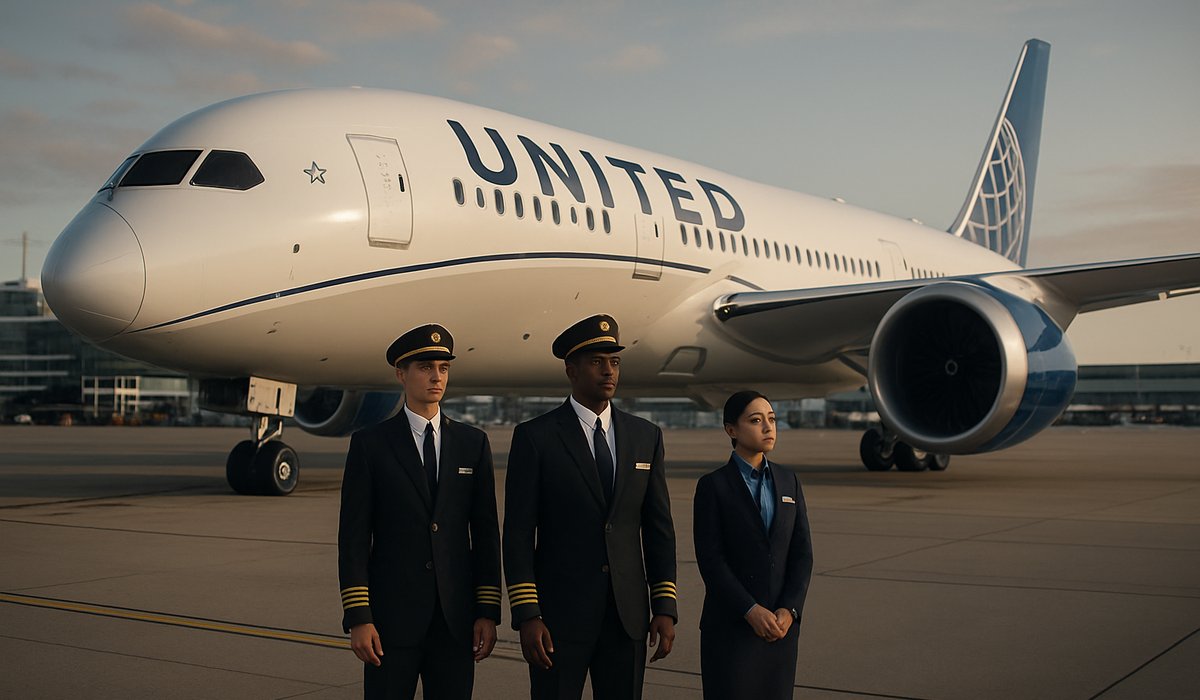
Image generated by AI
United Airlines Deploys Boeing 787 Dreamliner on Longest Nonstop Routes in 2026 Expansion
The carrier's ultra-long-haul strategy leverages fuel-efficient aircraft to strengthen transatlantic and transpacific connectivity
Strategic Aircraft Deployment Reshapes United's Global Network
United Airlines is positioning its Boeing 787 Dreamliner fleet as the cornerstone of its long-haul international expansion heading into 2026, with the fuel-efficient wide-body aircraft now anchoring the carrier's most ambitious nonstop routes across both the Atlantic and Pacific oceans. The deployment strategy underscores how modern aviation technology is reshaping global connectivity while directly influencing airline operational costs—a factor increasingly passed on to passengers through baggage charges and additional service fees.
Fuel Efficiency Drives Route Profitability in Volatile Energy Markets
The Boeing 787's advanced engineering delivers significant operational advantages that have become critical in an industry grappling with volatile jet fuel prices. The aircraft's composite construction, aerodynamic design, and fuel-efficient engines enable United to operate profitable nonstop services on routes previously considered marginal or impossible. This efficiency translates to reduced operating expenses, allowing the carrier to maintain competitive pricing on premium long-haul fares while maintaining healthy margins.
Industry analysts note that every dollar fluctuation in crude oil prices directly impacts airline profitability on extended international routes. United's reliance on the 787 Dreamliner therefore provides competitive insulation against fuel cost volatility—a critical advantage as geopolitical tensions continue affecting energy markets globally.
Expanding Transatlantic and Transpacific Reach
United's 2026 Dreamliner deployment covers an extensive range of ultra-long-haul corridors, connecting major North American hubs with distant European and Asian destinations. The aircraft's 242-290 passenger capacity, combined with a maximum range exceeding 7,600 nautical miles, enables the carrier to optimize frequency and profitability on routes serving premium leisure and business travel markets.
The strategic emphasis on nonstop service reduces connection friction while capturing high-yield international traffic that might otherwise route through competing carriers or alliance partners.
Implications for Passenger Experience and Airline Economics
The Dreamliner's cabin pressurization technology, advanced humidity control, and larger windows enhance passenger comfort on grueling overnight flights—factors that justify premium pricing on these routes. However, competitive pressure continues to drive airlines toward ancillary revenue models, meaning passengers should expect evolving baggage fee structures and seat selection charges across United's long-haul network.
FAQ: Boeing 787 Routes and Long-Haul Aviation
What are the advantages of the Boeing 787 Dreamliner for ultra-long-haul flights? The 787 offers superior fuel efficiency, reduced operating costs, extended range, and enhanced cabin comfort through advanced pressurization and humidity control—allowing airlines to operate profitable nonstop services on previously marginal routes.
How do jet fuel prices affect airline baggage fees and ticket pricing? Rising fuel costs directly increase airline operating expenses on long-haul routes. Carriers often respond by restructuring baggage allowances, introducing ancillary fees, or adjusting base fares to maintain profitability during volatile energy markets.
Why is nonstop service more valuable than connecting flights for international travel? Nonstop flights reduce travel time, eliminate connection risks, improve passenger satisfaction, and allow airlines to capture premium pricing from time-sensitive business and leisure travelers willing to pay for convenience.
How does United Airlines' 787 fleet compare to competitors' long-haul aircraft? The 787 competes directly with Airbus A350 and A330neo models, all offering fuel efficiency and range advantages. United's large Dreamliner order provides significant cost advantages over competitors with older wide-body fleets.
What geopolitical factors influence transatlantic and transpacific route planning? Trade relationships, visa policies, economic conditions, fuel sourcing, and air traffic agreements between nations shape route profitability and frequency decisions for international carriers like United.
Related Travel Guides
Disclaimer
This article is for informational and educational purposes only. It does not constitute legal, financial, or professional advice. While we strive to provide accurate and up-to-date information, travel policies, regulations, and conditions change rapidly. Always verify information with official sources before making travel decisions. Nomad Lawyer makes no representations about the accuracy, reliability, completeness, or suitability of the information provided. Readers should consult qualified professionals for advice specific to their circumstances. The views expressed in this article are those of the author and do not necessarily reflect the views of Nomad Lawyer.
Kunal K Choudhary
Co-Founder & Contributor
A passionate traveller and tech enthusiast. Kunal contributes to the vision and growth of Nomad Lawyer, bringing fresh perspectives and driving the community forward.
Learn more about our team →