
Aviation Updates: United Airlines Prepares for Epic Fourth of July Travel Chaos as 6 Million Passengers Take Flight
With nearly 5,000 daily flights scheduled, United Airlines faces a massive operational stress test as record-breaking crowds surge toward historic cities and national parks.

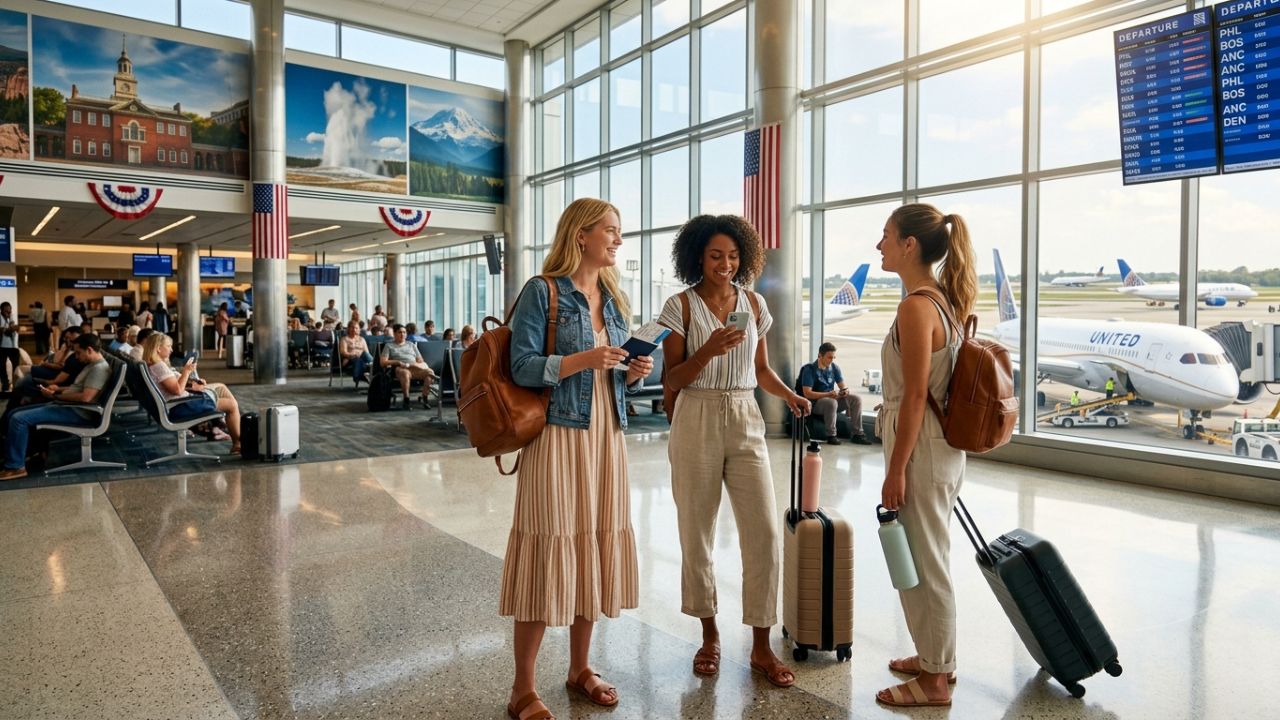
Image Credit: United Airlines
Aviation Updates: United Airlines Prepares for Epic Fourth of July Travel Chaos as 6 Million Passengers Take Flight
As the United States rapidly approaches its highly anticipated Independence Day holiday, United Airlines is bracing for one of the most intense, high-stakes operational stress tests in modern commercial aviation history.
Image Credit: United Airlines
As relentless airline news broadcasts and urgent aviation updates continuously warn passengers of the massive, impending summer gridlock, the United States domestic aviation network is about to be pushed to its absolute physical limits. Seeking to manage an unprecedented wave of heritage tourism and outdoor exploration, United Airlines has officially confirmed that it expects a staggering six million passengers to take to the skies between late June and early July. To accommodate this massive Independence Day travel surge, the airline is executing around 550,000 passenger movements daily across nearly 5,000 meticulously scheduled flights. However, this incredibly dense operational timetable leaves absolutely zero margin for error. If severe summer thunderstorms or air traffic control shortages strike during this critical window, it will instantly trigger catastrophic, cascading flight cancellations, plunging major hubs into unprecedented airport disruptions and unleashing nationwide travel chaos for millions of vacationing families.
Expanded Overview: The Scale of the Stress Test
When analyzing the sheer arithmetic of moving six million passengers in a compressed holiday window, the logistical vulnerability of the US aviation system becomes glaringly obvious.
This year’s massive travel wave heavily aligns with a soaring national interest in combining patriotic heritage tourism with remote outdoor exploration. However, executing 5,000 flights daily requires absolute, flawless operational precision across United's entire massive fleet and ground handling network. The airline has aggressively adjusted its seasonal capacity and route planning to specifically target high-demand regions. Yet, the threat of severe travel chaos looms incredibly large; major US airports linked to these historic and natural destinations are currently experiencing unprecedented booking surges. Any minor disruption at a primary hub will immediately ripple outward, severely threatening the highly complex leisure itineraries of families desperately trying to reach their Fourth of July celebrations.
Section-Wise Breakdown: The Historic Cities Surge
A massive driving force behind this record-breaking holiday surge is the intense, culturally driven migration toward America’s founding cities.
As the country actively celebrates its milestone 250th anniversary, travel demand to historically significant destinations has exploded. Philadelphia and Boston have both recorded shockingly sharp, upward momentum in passenger interest. These iconic urban centers continue to draw massive crowds due to their deep historical relevance, prestigious museums, and highly celebrated independence-era landmarks. Furthermore, sports tourism—particularly major summer baseball championships—is pouring extra fuel on the fire, with Philadelphia seeing intense short-term booking surges explicitly tied to key July sporting dates. This massive concentration of passenger volume requires United Airlines to aggressively heavily deploy high-capacity aircraft into these incredibly congested East Coast corridors.
Section-Wise Breakdown: The Wilderness and "Coolcation" Boom
Simultaneously, United Airlines is battling a massive secondary surge driven entirely by travelers fleeing the brutal summer heat.
Nature-based tourism and the rising "coolcation" trend are dominating the July booking charts. Several remote National Park gateways are reporting incredibly dense passenger volumes. Key growth destinations include Bangor, Maine (the primary gateway to Acadia National Park); Bozeman, Montana (providing crucial access to Yellowstone National Park); and Montrose, Colorado (connecting elite travelers to the Black Canyon of the Gunnison). Furthermore, Alaska has emerged as a massive beneficiary of the coolcation phenomenon. Bookings to Fairbanks have increased substantially, while Anchorage is experiencing incredibly strong, sustained demand growth heading directly into August as tourists desperately seek glacier views and extended daylight escapes.
Flight Details: Independence Day Operational Matrix
The exact operational telemetry outlining this massive holiday travel surge, detailing the specific passenger volumes and targeted destinations, has been consolidated into the mandatory matrix below based on data from United Airlines.
United Airlines Fourth of July Operational Matrix
| Operational Metric | Aviation Data |
|---|---|
| Operating Carrier | United Airlines |
| Holiday Period | Independence Day (Late June – Early July 2026) |
| Total Projected Passengers | Approximately 6 million |
| Daily Passenger Volume | Around 550,000 travelers |
| Daily Flight Frequency | Nearly 5,000 flights |
| Historic Destination Surges | Philadelphia, Boston (250th Anniversary) |
| National Park Hubs | Bangor (Acadia), Bozeman (Yellowstone), Montrose (Gunnison) |
| "Coolcation" Demands | Anchorage, Fairbanks (Alaska) |
| Inflight Connectivity | Starlink Wi-Fi (Equipped on 400+ aircraft) |
Passenger Impact: Upgrading the Inflight Experience
For the millions of passengers braving the grueling holiday crowds, surviving the potential delays heavily depends on massive inflight technological upgrades.
To actively combat passenger frustration during this deeply stressful travel period, United Airlines is aggressively rolling out a massive digital transformation across its domestic and long-haul network. The airline has successfully equipped more than 400 aircraft with incredibly fast, high-speed satellite-based internet powered by advanced Starlink technology, with plans to expand this critical coverage significantly. This allows passengers to execute real-time streaming, gaming, and critical communication while airborne. Furthermore, United is aggressively expanding its onboard entertainment via seatback screens on hundreds of jets and deploying highly curated premium dining menus and elite mixers to actively enhance inflight comfort while travelers wait out potential congestion delays.
Industry Analysis: Redefining Summer Logistics
Aviation strategists explicitly note that this 6-million-passenger surge proves that historic tourism and climate-driven escapes are actively dictating modern airline network planning.
The domestic travel demand curve is no longer strictly bound by traditional beach destinations. By aggressively shifting massive capacity toward secondary gateways like Bozeman and Bangor, United Airlines is brilliantly capturing the highest-yield demographics. Furthermore, the airline's heavy reliance on advanced mobile applications—offering real-time updates, terminal navigation assistance, and critical baggage tracking features—is an absolute necessity to prevent mass hysteria when the inevitable holiday delays occur. This digital integration is the only way legacy carriers can successfully manage a surge of this unprecedented magnitude.
Conclusion: Surviving the Summer Peak
Ultimately, the impending Independence Day travel wave represents the absolute peak of the 2026 summer aviation calendar. United Airlines is brilliantly positioned to capture massive revenue from this surge, moving six million passengers across a highly strategic network of historic cities, national parks, and elite northern coolcation hubs. However, the sheer density of executing 5,000 flights a day means the entire network is perched on a razor's edge. From the brutally congested tarmacs of Philadelphia to the remote arrival gates of Anchorage, the skies will remain incredibly busy. Passengers must remain intensely hyper-vigilant, utilizing all available digital tracking tools to successfully navigate the grueling airport environments and survive the inevitable travel chaos that always accompanies America's most iconic holiday rush.
Key Takeaways
- Massive Passenger Volume: United Airlines officially projects moving approximately six million passengers between late June and early July for the Independence Day holiday.
- Operational Density: The airline is executing a highly vulnerable, zero-margin schedule of nearly 5,000 flights per day, averaging 550,000 daily travelers.
- Historic Surges: Driven by the nation’s 250th anniversary and major sporting events, destinations like Philadelphia and Boston are experiencing explosive booking growth.
- The Coolcation Trend: Travelers are aggressively fleeing the summer heat, spiking demand for northern destinations like Anchorage and Fairbanks, Alaska.
- National Park Access: Crucial gateways like Bangor (Acadia), Bozeman (Yellowstone), and Montrose (Gunnison) are dominating the outdoor tourism market.
FAQ: United Airlines Fourth of July Travel 2026
How many passengers is United Airlines expecting for the Fourth of July? United Airlines is officially projecting that approximately six million passengers will travel across its massive network during the peak Independence Day period between late June and early July.
Which historic cities are seeing the biggest surge in United bookings? Driven by the 250th anniversary celebrations and massive sports tourism, Philadelphia and Boston have recorded incredibly sharp surges in passenger demand.
What new inflight technology is United Airlines offering this summer? United Airlines is actively rolling out advanced, high-speed satellite internet powered by Starlink technology, which is already fully equipped on over 400 aircraft in their fleet.
Related Travel Guides
San Diego California Fourth of July Travel Chaos 2026
San Diego Airport TSA Fourth of July Travel Chaos 2026
US Domestic Flight Delay Compensation Guide 2026
Disclaimer: This article is strictly for informational purposes. The aviation operational data, specific passenger projections (six million travelers, 5,000 daily flights), target destinations (Philadelphia, Boston, Bozeman, Anchorage), and technological deployments (Starlink on 400+ aircraft) are based on operational statements provided by United Airlines at the time of publication. Holiday airline network planning, seasonal flight schedules, and specific fleet assignments are highly dynamic and subject to continuous modification based on immediate market demand and severe weather events. Passengers must explicitly verify exact flight availability, routing timetables, and ticketing information directly with United Airlines prior to booking summer travel.
Disclaimer
This article is for informational and educational purposes only. It does not constitute legal, financial, or professional advice. While we strive to provide accurate and up-to-date information, travel policies, regulations, and conditions change rapidly. Always verify information with official sources before making travel decisions. Nomad Lawyer makes no representations about the accuracy, reliability, completeness, or suitability of the information provided. Readers should consult qualified professionals for advice specific to their circumstances. The views expressed in this article are those of the author and do not necessarily reflect the views of Nomad Lawyer.
Kunal K Choudhary
Co-Founder & Contributor
A passionate traveller and tech enthusiast. Kunal contributes to the vision and growth of Nomad Lawyer, bringing fresh perspectives and driving the community forward.
Learn more about our team →