
United Airlines Slashes Long-Haul Boeing 757 Operations by 16% as Fleet Strategy Shifts
Breaking airline news and aviation industry updates for 2026.

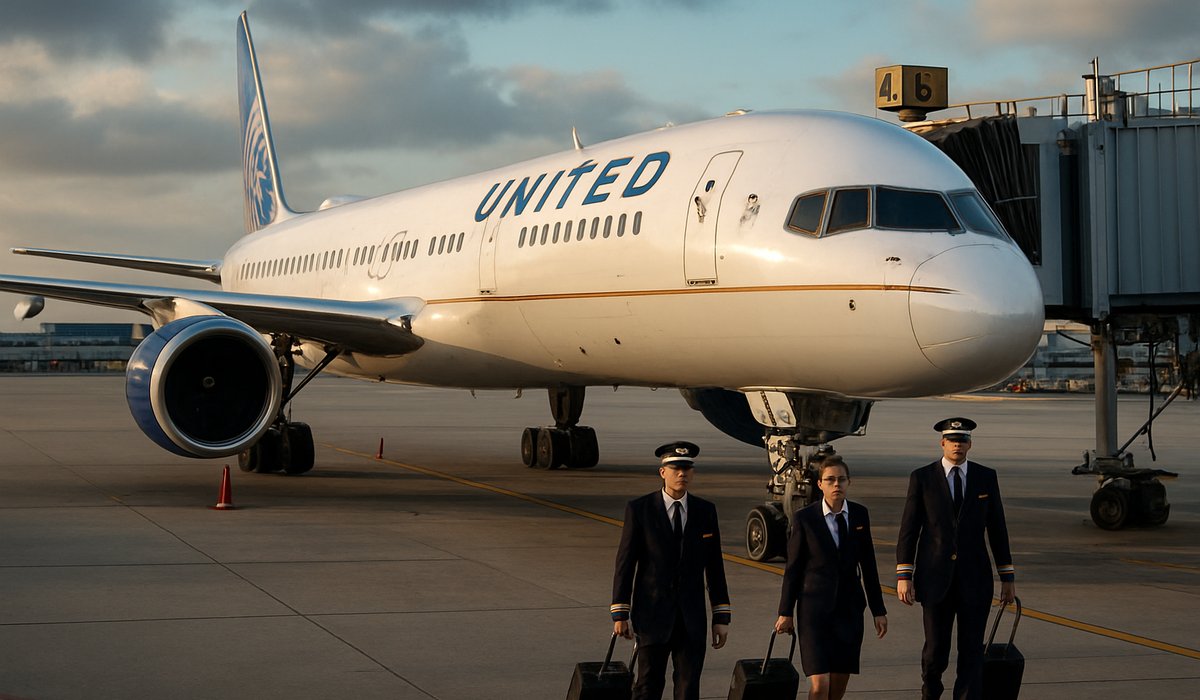
Image generated by AI
United Airlines Slashes Long-Haul Boeing 757 Operations by 16% as Fleet Strategy Shifts
The Chicago-based carrier reduces international service amid changing market demands and aircraft modernization pressures
Major Capacity Cut Signals Strategic Pivot
United Airlines is significantly scaling back its long-haul operations using Boeing 757 aircraft, with the carrier implementing a 16% reduction in service across its extended-range network. The move marks a notable contraction for one of the aviation industry's most prolific operators of the twin-engine workhorse, signaling broader shifts in how legacy carriers are reshaping their international route maps and fleet deployment strategies.
According to the latest operational data, United currently maintains 40 Boeing 757-200 variants and 21 stretched 757-300 models—a combined fleet of 61 aircraft that has traditionally anchored the carrier's transatlantic and long-distance leisure routes. Yet with this latest capacity reduction, the Star Alliance founding member is actively trimming the aircraft's role in its network architecture.
Fleet Modernization Drives Scheduling Changes
The reduction reflects industry-wide pressures facing established carriers as they confront aging narrow-body wide-body hybrids with rising maintenance costs and fuel efficiency challenges. Airlines globally are increasingly prioritizing newer, more economical aircraft for long-haul operations, particularly as volatile jet fuel prices continue to impact operational margins and pricing strategies.
United's decision to curtail 757 deployments arrives during a period of broader network optimization across the "Big Three" U.S. carriers. Legacy airlines are reassessing route profitability, airline fee structures, and baggage charge policies to maintain competitiveness while managing escalating labor and energy costs that directly influence ticket prices and ancillary revenue streams.
Implications for Transatlantic Travel
The capacity contraction will likely result in fewer available seats across select European gateways and secondary markets traditionally served by the 757's efficient range-payload characteristics. Passengers on affected routes should anticipate potential fare adjustments and modified scheduling as United reallocates capacity to newer aircraft types offering superior economics and passenger comfort positioning.
Industry analysts suggest this maneuver aligns with broader aviation sector trends emphasizing fleet rationalization and the accelerated retirement of earlier-generation equipment. The 757's diminished role at United underscores how traditional carriers are modernizing portfolios to remain competitive against both international competitors and low-cost operators expanding long-haul networks.
FAQ: United Airlines 757 Changes & Aviation Industry Impact
What routes will be affected by United's 757 capacity reductions? Specific international destinations served by the carrier's transatlantic and long-haul network will experience reduced frequency or aircraft downgauging. Passengers should check directly with United for route-specific scheduling changes.
How do airline fuel costs influence fleet decisions like this? Rising jet fuel prices directly impact operating expenses. Newer aircraft typically offer superior fuel efficiency, making modernized fleets more economically viable than aging narrow-body wide-body hybrids over time.
Will baggage fees or other airline charges increase due to capacity cuts? Reduced capacity often correlates with higher fares, though carriers typically communicate ancillary fee changes separately through official channels and regulatory filings.
What does this mean for passengers booking long-haul flights with United? Affected passengers may encounter modified schedules, alternative aircraft types, or revised pricing. Booking flexibility and advance planning are recommended.
Why do airlines maintain aging aircraft if newer models are more efficient? Older aircraft remain profitable on specific routes with high demand. Retirement decisions balance utilization economics, maintenance costs, and network strategy rather than efficiency metrics alone.
Related Travel Guides
- Southwest Airlines WN471 Diverts from Denver to Oklahoma City Instead of Dallas Love Field
- Singapore Airlines Expands at Munich Airport, Unlocking Seamless Europe-to-Asia Travel Like Never Before for Global Travelers
- Air India Consolidates All Ahmedabad Flights at Terminal 2 From March 29: Full Upgrade Guide
Disclaimer
This article is for informational and educational purposes only. It does not constitute legal, financial, or professional advice. While we strive to provide accurate and up-to-date information, travel policies, regulations, and conditions change rapidly. Always verify information with official sources before making travel decisions. Nomad Lawyer makes no representations about the accuracy, reliability, completeness, or suitability of the information provided. Readers should consult qualified professionals for advice specific to their circumstances. The views expressed in this article are those of the author and do not necessarily reflect the views of Nomad Lawyer.
Preeti Gunjan
Contributor & Community Manager
A passionate traveller and community builder. Preeti helps grow the Nomad Lawyer community, fostering engagement and bringing the reader experience to life.
Learn more about our team →