
Breaking Airline News: United Airlines Blocks Economy Seats on A321neo Coastliner to Combat Travel Chaos
Breaking airline news: Amidst a terrifying era of severe crew shortages, United Airlines explores permanently blocking middle seats on the new A321neo Coastliner to prevent massive domestic travel chaos.

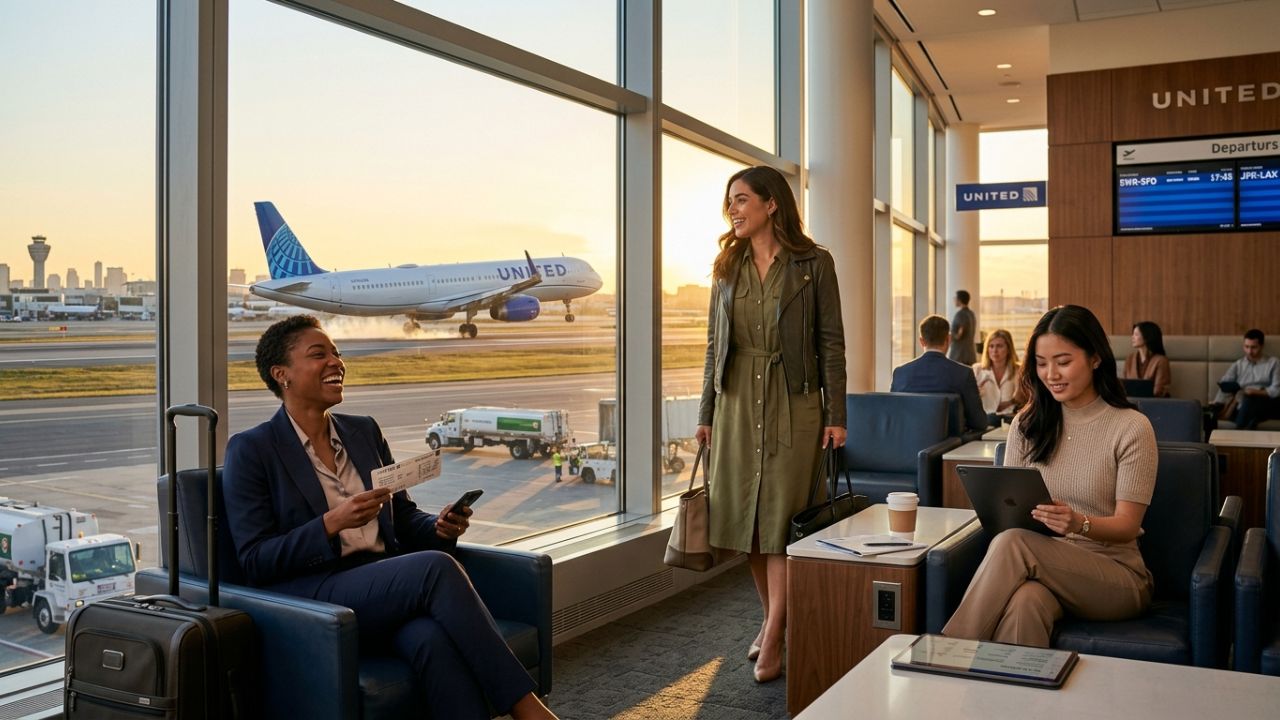
Image representing the intense strategic battle as United Airlines allegedly engineers a radical new seating configuration on its A321neo Coastliner fleet, actively combating the severe threat of crew shortages and extreme travel chaos.
Breaking Airline News: United Airlines Blocks Economy Seats on A321neo Coastliner to Combat Travel Chaos
As paralyzing terminal bottlenecks, severe cabin crew shortages, and catastrophic operational fragility violently threaten to completely shatter the domestic passenger experience, a radical new defense mechanism is reportedly under development. In a harrowing era where sudden flight cancellations and extreme airport disruptions routinely plunge economy cabins into terrifying travel chaos, United Airlines is allegedly exploring a massive structural realignment of its upcoming fleet. To aggressively combat the FAA staffing regulations that frequently ground aircraft and strand passengers, United is reportedly preparing to permanently block middle seats in selected Economy rows on its highly anticipated Airbus A321neo "Coastliner" fleet. By artificially reducing passenger capacity using locked tray tables, the carrier aims to violently manipulate regulatory crew thresholds, ensuring that premium transcontinental flights remain heavily insulated from the catastrophic gridlock suffocating American air travel.
In a brutal demonstration of how desperately airlines must innovate to maintain operational survival, this alleged strategy represents a calculated shift toward prioritizing flight execution over maximum density. Scheduled to receive its first 50 Coastliner-configured Airbus A321neos later this year, United is aggressively replacing its aging, highly vulnerable Boeing 757 fleet on critical, high-demand premium routes connecting San Francisco, Los Angeles, and Newark. By officially deploying a lower-density layout and potentially locking out middle seats, United is engineering a system designed to keep planes in the sky even when severe crew shortages trigger massive travel chaos across competing legacy networks.
Expanded Overview: Shattering the FAA Crew Bottleneck
The terrifying crisis of overwhelming passenger stress currently testing US gateways brutally exposes the severe limitations of federal staffing regulations. Under highly strict current U.S. rules, minimum cabin crew numbers are explicitly tied to physical passenger seat counts, rather than simply the aircraft type. A standard 161-seat Coastliner normally requires four flight attendants to operate legally. When crew scheduling systems collapse—a massive trigger for modern travel chaos—flights are instantly canceled if that fourth attendant is unavailable.
Industry reports and internal leaks—initially gaining massive traction via a Reddit post claiming inside information—suggest United has discovered a highly controversial, yet brilliant, loophole. By physically blocking the middle seat in a three-seat row using a tray table secured completely across the cushion, the airline effectively lowers the usable seat count. If this drops the legal capacity below the FAA threshold, United could potentially dispatch the aircraft with fewer crew members, drastically cutting costs and violently protecting the schedule from sudden staffing-induced flight cancellations.
The Coastliner Configuration: A Premium Fortress
This aggressive maneuver is heavily supported by the Coastliner's unique physical architecture. Unlike the standard Airbus A321neo, which crams a massive 200 passengers into a high-density configuration, United’s Coastliner is fundamentally designed as a premium fortress. The aircraft will feature only 161 actual seats across three highly distinct cabins: 20 Polaris Business Class suites, 12 Premium Plus recliners, and 129 Economy seats. This lower-density baseline already increases the proportion of premium seating, perfectly setting the stage for the Euro Business Class-style blocked middle seat concept in the main cabin.
United Airlines Coastliner Operations Matrix
To ensure corporate travel planners can aggressively track this massive operational shift, the following matrix details the specific, verified metrics defining the incoming United Airlines Coastliner fleet and its alleged seating strategy.
| Strategic Metric | Coastliner Deployment Data |
|---|---|
| Airline Operator | United Airlines |
| Primary Fleet Asset | Airbus A321neo "Coastliner" Configuration |
| Initial Delivery Volume | First 50 Aircraft Expected Later This Year |
| Legacy Asset Replaced | Aging Boeing 757 Fleet |
| Primary Premium Routes | San Francisco (SFO), Los Angeles (LAX), Newark (EWR) |
| Standard A321neo Capacity | 200 Passengers |
| United Coastliner Capacity | 161 Seats Total |
| Coastliner Cabin Breakdown | 20 Polaris, 12 Premium Plus, 129 Economy |
| Alleged Operational Strategy | Physically blocked middle seats (tray-table lock) to reduce FAA crew thresholds |
Passenger Impact: Escaping the Gridlock in Comfort
For the thousands of travelers attempting to navigate the rapidly collapsing domestic transit corridors, this potential structural shift represents a highly critical reality. While traditional tourists face agonizing delays when crew shortages ground high-density aircraft, passengers booked on the Coastliner could bypass the chaos entirely.
Furthermore, this operational loophole generates a massive, unintended benefit for the Economy passenger. Passengers seated in these modified rows would enjoy extreme additional shoulder room and personal space, effectively receiving a highly coveted "Euro Business Class" experience without the need to purchase a premium upgrade. This creates a far more comfortable, stress-free sanctuary for travelers who have just survived chaotic international terminals and massive security queues.
Industry Analysis: The Transatlantic Regulatory Divide
From a strategic aviation perspective, this alleged maneuver highlights the severe discrepancies between U.S. and European aviation regulations. In Europe, staffing requirements are heavily dependent on the aircraft type itself. For example, European regulators dictate that an Airbus A321 typically requires at least five flight attendants, regardless of minor seat fluctuations. Because European airlines cannot easily manipulate crew minimums by locking seats, they usually maximize passenger density. United's ability to potentially exploit the U.S. seat-count rule demonstrates an aggressive, highly creative strategy to achieve operational flexibility and streamline fleet alignment alongside the upcoming Airbus A321XLR.
Conclusion: A Strategic Offensive to Redefine Domestic Transit
As the extremely critical transcontinental network continues to face terrifying strain from unprecedented passenger demand and highly volatile labor fragility, the alleged seating strategy executed by United Airlines represents an absolute requirement for operational survival. While official confirmation from United regarding the permanent implementation of these locked tray tables is still pending, the sheer concept proves that airlines must aggressively minimize their exposure to extreme airport disruptions and severe commercial flight cancellations. If fully implemented, the A321neo Coastliner will establish a terrifying new competitive benchmark, proving that the ultimate defense against global travel chaos is fundamentally re-engineering the aircraft itself.
Key Takeaways
- Massive Tactical Shift: United Airlines is reportedly exploring physically blocking middle seats in Economy on its incoming A321neo "Coastliner" fleet.
- Total Chaos Avoidance: By reducing usable seat counts, the airline aims to lower FAA minimum crew requirements, violently protecting schedules against crew-shortage flight cancellations.
- Premium Fleet Deployment: The first 50 Coastliners arrive this year to replace Boeing 757s on highly critical routes connecting San Francisco, Los Angeles, and Newark.
- Low-Density Advantage: The Coastliner features only 161 seats (20 Polaris, 12 Premium Plus, 129 Economy) compared to the standard 200-seat A321neo configuration.
- Traveler Advisory: While United has not officially confirmed the Reddit-leaked strategy, passengers are strongly advised to aggressively target these incoming Coastliner routes for superior personal space and enhanced operational reliability.
Related Travel Guides
Disclaimer
This article is for informational and educational purposes only. It does not constitute legal, financial, or professional advice. While we strive to provide accurate and up-to-date information, travel policies, regulations, and conditions change rapidly. Always verify information with official sources before making travel decisions. Nomad Lawyer makes no representations about the accuracy, reliability, completeness, or suitability of the information provided. Readers should consult qualified professionals for advice specific to their circumstances. The views expressed in this article are those of the author and do not necessarily reflect the views of Nomad Lawyer.
Kunal K Choudhary
Co-Founder & Contributor
A passionate traveller and tech enthusiast. Kunal contributes to the vision and growth of Nomad Lawyer, bringing fresh perspectives and driving the community forward.
Learn more about our team →