
United A321XLR Shift Redraws U.S.–Europe Leisure Map in 2026
United Airlines' United A321XLR shift marks a turning point for transatlantic leisure travel. The carrier is retiring Boeing 757s to deploy modern narrowbodies, unlocking nonstop service to secondary European cities from Spain to France by 2026.

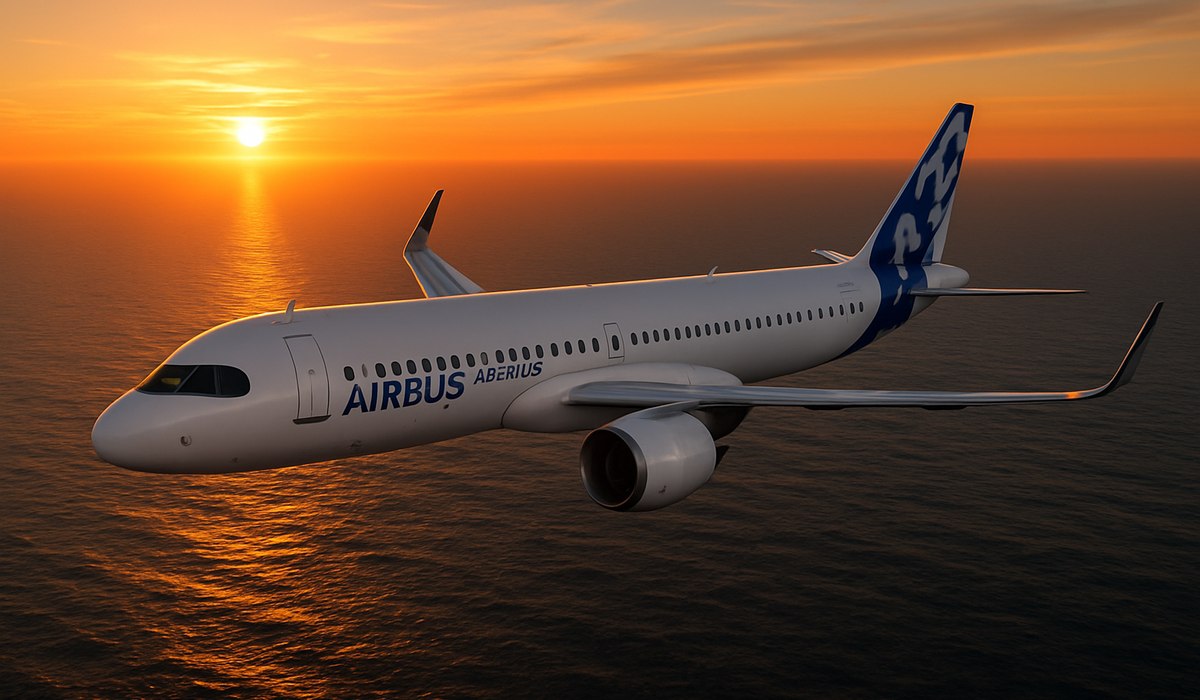
Image generated by AI
United's Transatlantic Fleet Modernization: What's Changing?
United Airlines is retiring its Boeing 757 fleet in favor of the Airbus A321XLR, fundamentally reshaping how American leisure travelers access secondary European cities. The United A321XLR shift represents one of the aviation industry's most significant fleet transitions since 2020, with deliveries commencing in 2026 and full deployment spanning the next five years. This modernization initiative will unlock nonstop service from U.S. East Coast hubs to Spanish, French, and Italian destinations previously dependent on connecting flights. The move prioritizes vacation-focused travelers seeking direct access to Mediterranean beach towns, cultural hubs, and emerging leisure markets across Southern Europe.
The United A321XLR shift addresses a 30-year reliance on the 757 platform for thin-route transatlantic operations. United operates approximately 40 to 50 Boeing 757-200s dedicated to routes where demand supports nonstop service but insufficient volume justifies widebody deployment. The Airbus A321XLR, part of the modern A321neo family, combines extended range (up to 4,700 nautical miles), improved fuel efficiency, and sophisticated cabin amenities that the aging 757 cannot match.
From Workhorse to Next-Generation: The 757's Successor
The Boeing 757 earned its legendary status across four decades of service. Its narrow fuselage, efficient engines, and exceptional runway performance made it ideal for secondary European airports with limited gate infrastructure. However, the aircraft's cabin systems, seat density, and passenger comfort lag contemporary standards.
The Airbus A321XLR fundamentally improves the passenger experience through several innovations. The aircraft features additional center fuselage fuel tanks and reinforced landing gear to achieve its extended range without sacrificing cargo capacity. United's configuration includes lie-flat Polaris business-class seating with direct aisle access, Premium Plus seats offering enhanced privacy, and economy configurations with larger overhead bins and improved IFE systems. Industry analysts project the United A321XLR shift will reduce transatlantic fuel consumption per seat by 25 to 30 percent compared to equivalent 757 operations.
Delivery schedules now show United receiving its first A321XLR aircraft in late 2026, with monthly cadence ramping through 2027 and 2028. The carrier plans initial deployment on existing 757 routes to minimize operational risk while flight crews and maintenance teams familiarize themselves with the new platform. United's investor relations documentation confirms approximately 50 firm orders, positioning the A321XLR as central to the airline's long-haul narrowbody strategy through 2035.
How the A321XLR Redraws Transatlantic Routes
The United A321XLR shift unlocks economics previously impossible on secondary European city pairs. Madrid and Barcelona will transition from mixed widebody-and-757 service to pure A321XLR operations, modernizing passenger experience while reducing per-unit costs. However, the real transformation emerges in previously underserved markets.
Spain's Emerging Leisure Gateways: Málaga, Valencia, and Bilbao represent ideal candidates for new United nonstop service. These destinations generate substantial U.S. leisure demand—beach holidays in Málaga, cultural tourism in Valencia, regional wine country near Bilbao—but currently require European connections. The A321XLR's 4,700-nautical-mile range comfortably covers Newark-to-Málaga (3,600 nautical miles) with substantial reserves for winds and weather contingencies. Industry analysts estimate seasonal demand from U.S. gateway cities could support three to four weekly frequencies on each route once the United A321XLR shift reaches full deployment.
France's Secondary Markets: Lyon, Nice, and Marseille represent France's next-tier destinations with strong tourism pull but limited North American connectivity. The United A321XLR shift enables point-to-point nonstop service from Washington or Newark to these French cities, capturing leisure travelers currently forced through Paris connections. Nice particularly benefits from proximity to Mediterranean beaches and Alpine tourism, demographics strongly weighted toward American vacationers.
Italy's Expanding Network: Rome and Milan dominate United's current Italian service. The United A321XLR shift could support new routes to Venice, Florence (via Peretola airport), and possibly Naples, tapping into cultural tourism markets underserved by direct U.S. carriers. These secondary cities generate 8 to 12 million international tourists annually, with North American representation growing steadily.
The economics behind the United A321XLR shift reflect modern transatlantic leisure market dynamics. Full-service European carriers (Lufthansa, Air France, British Airways) historically dominated secondary-city transatlantic links through hub-and-spoke systems. Legacy U.S. carriers abandoned many of these routes during the 2008 financial crisis, creating an unmet demand vacuum. The A321XLR's lower seat-mile costs and long-range capability allow United to compete directly on these routes without requiring premium load factors, targeting economy-heavy leisure bookings instead.
Upgraded Cabins and New Destinations for Leisure Travelers
The passenger experience transformation accompanying the United A321XLR shift extends beyond route network expansion. United's A321XLR configuration prioritizes leisure comfort through thoughtfully designed cabin modules.
Polaris business class features 1-2-1 seating patterns with direct aisle access for every passenger, flat-bed functionality, and direct-aisle suites on premium routes. Premium Plus delivers 18-inch seat width, 6 inches additional legroom versus standard economy, and dedicated boarding priority—positioned as an attractive premium-economy alternative for affluent leisure travelers unwilling to purchase full business fares.
Main deck economy seating on the A321XLR incorporates 32-inch seat pitch (matching United's newer widebody standards), USB-C power at every seat, and improved IFE systems featuring 4K resolution and expanded entertainment libraries focused on travel and cultural content. Overhead bin capacity increases substantially, addressing chronic luggage frustrations from the 757 generation.
These amenities directly support the United A321XLR shift's leisure-first positioning. American tourists traveling to Spanish beaches, French wine regions, and Italian cultural sites prioritize comfort, reliability, and onboard service quality. The modernized cabin positions United to capture price-sensitive premium leisure demand—travelers willing to pay $150 to $400 more per ticket for premium economy or business seats but unwilling to commit to full first-class fares.
International partnerships amplify the United A321XLR shift's impact on leisure routing. Star Alliance connectivity through United's European partners (Lufthansa, Swiss, Brussels) enables seamless connections from secondary European cities to Mediterranean or Alpine destinations. A leisure traveler could book San Francisco-to-Nice (via United A321XLR) with connecting service via Swiss International Airlines to Interlaken or Geneva, creating compelling multi-destination packages impossible under previous routing limitations.
Timeline and Fleet Implications for 2026 and Beyond
| Metric | Current Status | 2026 Projection | 2028 Target | 2030 Goal |
|---|---|---|---|---|
| Boeing 757-200s in service | ~45 aircraft | 38 aircraft | 20 aircraft | 5 aircraft |
| A321XLR deliveries | 0 | 8-12 | 30+ | 45+ |
| New nonstop European routes | 12 | 15 | 22 | 28 |
| Average transatlantic narrowbody age | 24 years | 18 years | 12 years | 8 years |
| Estimated fuel savings (vs. |
Disclaimer
This article is for informational and educational purposes only. It does not constitute legal, financial, or professional advice. While we strive to provide accurate and up-to-date information, travel policies, regulations, and conditions change rapidly. Always verify information with official sources before making travel decisions. Nomad Lawyer makes no representations about the accuracy, reliability, completeness, or suitability of the information provided. Readers should consult qualified professionals for advice specific to their circumstances. The views expressed in this article are those of the author and do not necessarily reflect the views of Nomad Lawyer.
Raushan Kumar
Founder & Lead Developer
Full-stack developer with 11+ years of experience and a passionate traveller. Raushan built Nomad Lawyer from the ground up with a vision to create the best travel and law experience on the web.
Learn more about our team →