
UK River Thames Boating Travel Resumes Through Caversham Lock Following Emergency Closure
The Environment Agency has reopened Caversham Lock near Reading on October 5 following a September 29 emergency closure, restoring non-tidal River Thames navigation.

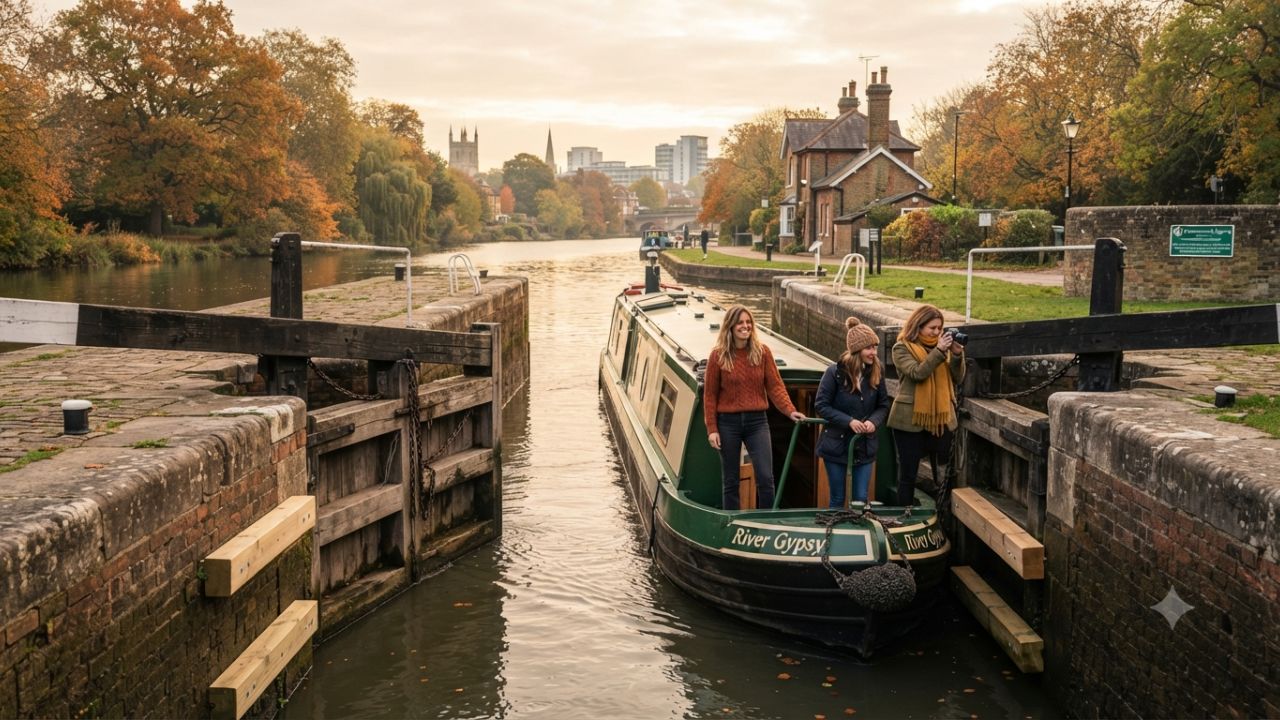
Caversham Lock near Reading has reopened to boat traffic following emergency maintenance by the Environment Agency. Image credit: Environment Agency
Boating navigation along the non-tidal River Thames near Reading has officially resumed following the Environment Agency's reopening of Caversham Lock on October 5, 2026. The historic lock was temporarily closed on September 29 for emergency repairs, briefly disrupting transit for hire boats and private vessel operators traversing the waterway.
[Reading, Oct 6, 2026] — Boating traffic on the River Thames in Berkshire is moving freely once again after Environment Agency navigation officials confirmed the reopening of Caversham Lock on October 5, 2026. The facility was placed under an emergency closure notice on September 29 while technicians completed necessary structural repairs.
The reopening clears a major transit bottleneck for leisure boaters, hire-craft operators, and river holidaymakers traveling between Mapledurham and Sonning. Boat operators who modified their itineraries or postponed journeys during the six-day closure can now resume planned river passages through Reading.
CAVERSHAM LOCK CHRONOLOGY & INFRASTRUCTURE
| Entity / Route | Metrics | Operational Status |
|---|---|---|
| Milestone / Investment | Date / Period | Details |
| Original Lock Construction | Dated to 1777 | Historic non-tidal lock |
| Layby Safety Upgrade | June 2023 | Replaced 220m timber |
| fenders & grab chains | ||
| Multi-Site Thames Capital | 2022 / 2023 | £9.5 million invested |
| Emergency Repair Closure | September 29, 2026 | Temporary closure |
| Navigation Restored | October 5, 2026 | Full passage reopened |
Navigation Timeline and Infrastructure Investment Background
Caversham Lock plays a strategic role in maintaining water levels and enabling vessel passage across the non-tidal Thames. The site has hosted lock infrastructure since 1777, requiring ongoing structural maintenance to accommodate modern recreational craft.
| Official Record | Date or Period | Context & Scope |
|---|---|---|
| Emergency Repair Closure | September 29, 2026 | Lock closed to all vessel passage for emergency maintenance |
| Navigation Restored | October 5, 2026 | Official Environment Agency notice confirms passage resumed |
| Thames Lock Investment | 2022/2023 Fiscal Year | £9.5 million allocated across non-tidal Thames lock sites |
| Caversham Layby Renewal | Reported June 2023 | Replaced 220 meters of timber fenders and safety grab chains |
In its 2022/23 infrastructure summary, the Environment Agency documented a £9.5 million investment across non-tidal Thames locks. That capital program funded the replacement of 220 meters of timber boat fenders and safety grab chains along both sides of Caversham's upstream layby, reinforcing safety for mooring vessels prior to entering the lock chamber.
       [ Emergency Repair Notice Issued (Sept 29) ]
                            |
                            v
       [ Structural Lock Maintenance Executed ]
                            |
                            v
       [ Environment Agency Reopening Notice (Oct 5) ]
                            |
                            v
       [ River Thames Boating Transit Restored ]
Daily Lock Operations and Keeper Duty Hours
While navigation through Caversham Lock is restored, boaters must adhere to published seasonal operating hours for lock keeper assistance.
For October 2026, Environment Agency lock keepers are on duty during two daily shifts:
- Morning Duty: 9:00 AM to 1:00 PM
- Afternoon Duty: 2:00 PM to 5:00 PM
When lock keepers are off duty, boaters may operate the hydraulic lock controls manually at their own risk. Clear instruction notices posted at the lock control pedestal guide operators through the proper sequencing of sluice gates and chamber valves.
Monitoring River Stream Warnings and Conditions
A reopened lock chamber does not guarantee suitable boating conditions along adjacent reaches. The Environment Agency issues daily river condition updates to advise vessel masters of water velocities and flow hazards.
- Green Warning Boards: Normal river stream conditions; safe for all registered craft.
- Yellow Warning Boards: Stream increasing or degrading; unpowered craft and low-powered launches should exercise caution.
- Red Warning Boards: Strong stream warning; all vessel navigation is strictly advised against due to dangerous currents and high water levels.
As of October 5, no strong stream warnings were in effect between Mapledurham, Caversham, and Sonning. However, river users must inspect physical warning boards at lock laybys before proceeding, as autumn weather can alter flow rates rapidly.
RIVER THAMES BOATING OPERATIONAL RULES
| Category / Entity | Details / Impact |
|---|---|
| Operational Category | Requirement / Guidance |
| Lock Keeper Hours | 9am-1pm & 2pm-5pm (Self-service off-duty) |
| Stream Warnings | Check daily online or via lock warning boards |
| Vessel Registration | Mandatory EA registration based on boat area |
| Visitor Moorings | Up to 24 hours permitted (fees at select sites) |
| Lock-Site Camping | Lock-side campsites currently closed |
Mandatory Vessel Registration and Visitor Mooring Rules
All powered and unpowered craft operating on the non-tidal River Thames must hold a valid Environment Agency registration.
Visiting boaters can purchase short-term visitor registrations directly from lock keepers when on duty. Registration fees are calculated based on overall vessel dimensions (length multiplied by beam width). Rental boat customers should confirm with their charter company that appropriate Thames navigation licenses are included with their hire agreement.
Mooring options along the Reading stretch require separate attention. Environment Agency visitor moorings generally permit stays up to 24 hours, though overnight fees apply at designated urban sites. Boaters should note that Environment Agency lock-side campsites remain closed, requiring river travelers to secure alternative land-based or on-vessel overnight accommodations.
Checklist for Planning Autumn Thames Boating Journeys
Boaters planning itineraries along the River Thames this autumn should verify operational details before casting off:
- Re-Confirm Hire Bookings: Contact charter providers to verify vessel handover times and updated routing advice following the Caversham reopening.
- Inspect River Condition Boards: Check daily Environment Agency stream updates online or at lock laybys prior to setting out each morning.
- Verify Lock Duty Schedules: Plan passage times to coincide with lock keeper duty hours if manual lock operation is not preferred.
- Audit Vessel Licenses: Ensure your craft displays valid Environment Agency registration decals for the non-tidal Thames.
- Confirm Overnight Moorings: Identify designated 24-hour visitor moorings or marina berths in advance, particularly around Reading and Henley.
Frequently Asked Questions
Is Caversham Lock fully open to boat traffic?
Yes. The Environment Agency confirmed that Caversham Lock reopened for normal navigation on October 5, 2026, following emergency repairs initiated on September 29.
What are the lock keeper duty hours at Caversham in October?
Environment Agency lock keepers are on duty from 9:00 AM to 1:00 PM and from 2:00 PM to 5:00 PM daily. Outside these hours, boaters can operate the lock manually using posted instructions.
Do I need a permit to sail a boat on the River Thames?
Yes. All vessels on the non-tidal Thames must be registered with the Environment Agency. Visiting boaters can buy daily or weekly visitor passes from lock keepers on duty.
Are campsites at Thames lock sites open?
No. Environment Agency guidelines confirm that lock-site campsites along the Thames remain closed. Boaters must stay aboard their vessels at designated visitor moorings or arrange off-river accommodations.
Related Travel Guides
Disclaimer
This article is for informational and educational purposes only. It does not constitute legal, financial, or professional advice. While we strive to provide accurate and up-to-date information, travel policies, regulations, and conditions change rapidly. Always verify information with official sources before making travel decisions. Nomad Lawyer makes no representations about the accuracy, reliability, completeness, or suitability of the information provided. Readers should consult qualified professionals for advice specific to their circumstances. The views expressed in this article are those of the author and do not necessarily reflect the views of Nomad Lawyer.
Raushan Kumar
Founder & Lead Developer
Full-stack developer with 11+ years of experience and a passionate traveller. Raushan built Nomad Lawyer from the ground up with a vision to create the best travel and law experience on the web.
Learn more about our team →