
UK and France Evacuate Tehran Embassies as 2026 Iran Crisis Triggers Bahrain and Kuwait Travel Warnings
The UK and France have withdrawn diplomatic staff from Tehran amid escalating Middle East tensions, while the UK issues urgent travel warnings for Bahrain and Kuwait following retaliatory strikes.

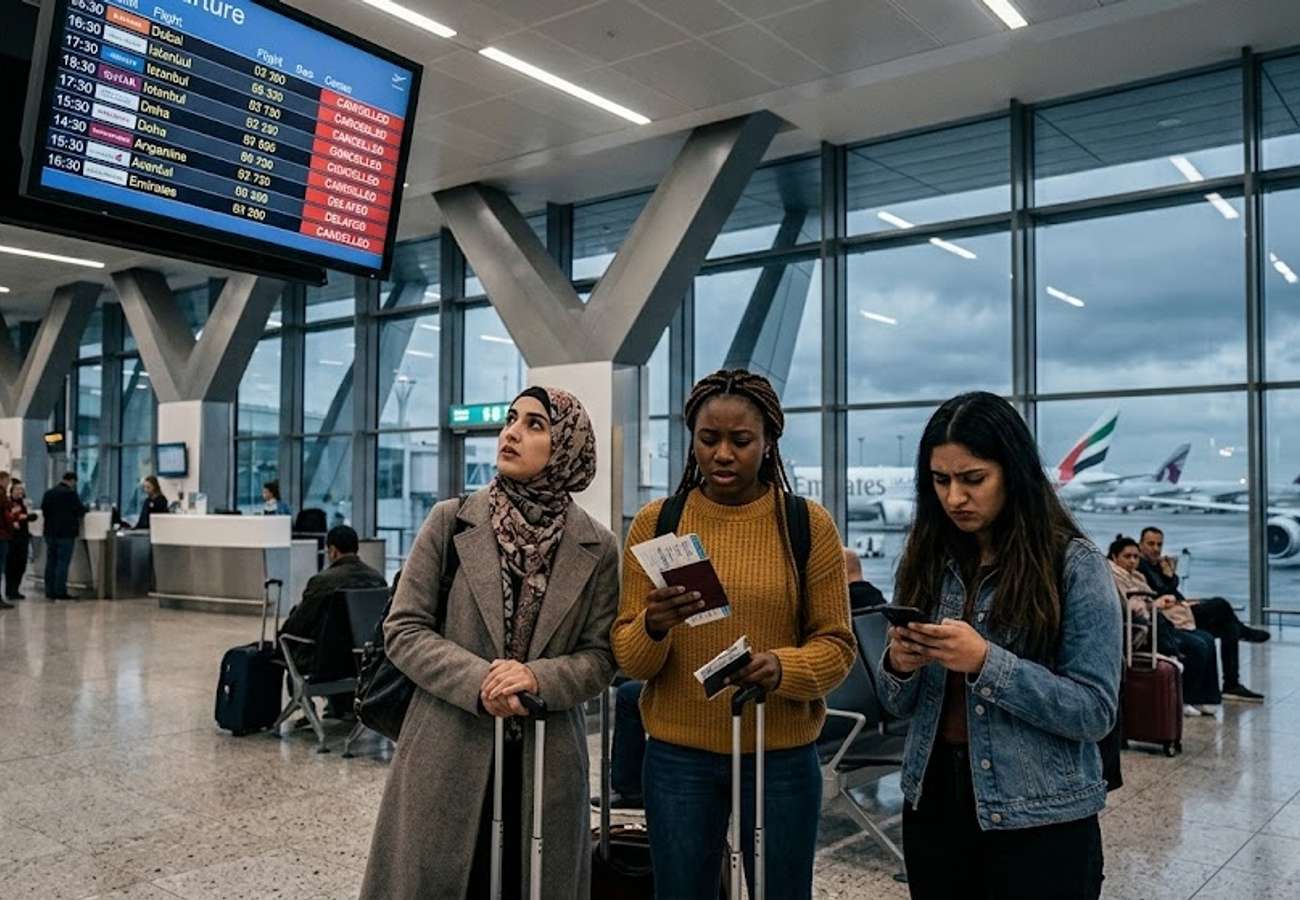
Image generated by AI
The United Kingdom and France have implemented urgent diplomatic security measures in response to intensifying instability across the Middle East. The UK Foreign, Commonwealth and Development Office (FCDO) has confirmed the temporary withdrawal of British diplomatic personnel from Tehran, shifting embassy operations to a remote model.
Simultaneously, reports indicate that France has evacuated its embassy in Tehran. This coordinated reduction in diplomatic presence signals a significant deterioration in regional security, prompting a cascade of updated travel advisories for several Gulf nations.
Diplomatic Withdrawals in Tehran
The decision by the British government to remove staff from Tehran follows updated security assessments. While the British Embassy remains functional via remote services, the physical withdrawal underscores the volatility of the current environment. The FCDO continues to advise all British nationals against travel to Iran and urges those currently in the country to evaluate the risks of staying.
French authorities have mirrored this caution, evacuating their diplomatic mission in Tehran as the regional security situation worsens. France maintains its standing advice against travel to Iran while monitoring the crisis in real-time.
Escalating Risks in Bahrain and Kuwait
Beyond Iran, the UK has significantly tightened travel guidance for other Gulf states. New advisories now warn against all but essential travel to Bahrain and Kuwait.
These updates are a direct response to an unpredictable security climate characterized by retaliatory attacks targeting United States military interests within the Gulf. Officials warn that further escalations could occur without prior notice, creating immediate risks for aviation, transport, and commercial business operations.
Potential Disruptions for International Travelers
The current geopolitical friction creates several operational risks for those transiting through or visiting the region. Travelers should be prepared for the following disruptions:
- Aviation Volatility: Sudden flight cancellations, delays, or the imposition of restrictive airspace corridors.
- Border Security: Heightened screening and increased security protocols at airports and land crossings.
- Consular Limitations: Reduced availability of in-person diplomatic assistance due to lowered staffing levels at embassies.
- Infrastructure Shocks: Localized security incidents that may impact public transport and commercial hubs.
- Policy Shifts: Rapid changes to government travel advisories that may affect insurance validity or entry requirements.
Essential Pre-Travel Protocols
For those with unavoidable travel to Iran, Bahrain, Kuwait, or neighboring territories, a proactive security approach is necessary. Because consular support is currently limited, self-reliance and preparation are paramount.
- Verify Insurance: Confirm that travel insurance policies specifically cover destinations under current government warnings.
- Direct Coordination: Contact airlines directly to confirm flight status rather than relying solely on third-party booking apps.
- Official Registration: Register with the respective national embassy to receive emergency alerts.
- Document Security: Keep physical and digital copies of passports and emergency contacts accessible.
- Local Compliance: Strictly follow the directives of local security authorities to avoid detention or complications.
Impact on Gulf Tourism and Commerce
While these diplomatic shifts do not imply a total shutdown of tourism across the Middle East, they signal a period of high alert. Many popular Gulf destinations remain open to visitors, but the stability of these environments is currently fragile.
Tourism operators and airlines are maintaining a state of readiness to adjust schedules if military activity increases. For business and leisure travelers, maintaining flexible itineraries is the only viable strategy to mitigate the risk of being stranded by sudden airspace closures or diplomatic freezes.
Regional Security Summary
| Country | Diplomatic Status | UK Travel Advice Level | Primary Risk Factor |
|---|---|---|---|
| Iran | Staff Withdrawn (UK/France) | Against All Travel | Deteriorating Security Environment |
| Bahrain | Operational | Against All But Essential | Retaliatory Attacks / US Interest Targets |
| Kuwait | Operational | Against All But Essential | Regional Instability / Unpredictable Security |
Key Takeaways
- Diplomatic Vacuum: Both the UK and France have evacuated their physical embassy presence in Tehran.
- Expanded Warnings: The UK has upgraded warnings for Bahrain and Kuwait to "all but essential travel."
- Trigger: Recent retaliatory strikes against US interests in the Gulf have driven the current instability.
- Limited Support: Consular assistance in these regions is currently restricted due to remote operations.
Travelers are urged to prioritize flexibility and real-time monitoring of official government channels.
FAQ
Can I still travel to Bahrain or Kuwait? The UK government currently advises against all but essential travel to these nations. If your travel is non-essential, it is recommended to postpone.
Is the British Embassy in Tehran closed? The embassy is not closed but is operating remotely after the temporary withdrawal of diplomatic staff.
How will this affect my flights in the Middle East? Depending on the escalation, you may experience airspace restrictions, flight rerouting, or sudden cancellations. Always verify schedules directly with your carrier.
Related Travel Guides
Disclaimer
This article is for informational and educational purposes only. It does not constitute legal, financial, or professional advice. While we strive to provide accurate and up-to-date information, travel policies, regulations, and conditions change rapidly. Always verify information with official sources before making travel decisions. Nomad Lawyer makes no representations about the accuracy, reliability, completeness, or suitability of the information provided. Readers should consult qualified professionals for advice specific to their circumstances. The views expressed in this article are those of the author and do not necessarily reflect the views of Nomad Lawyer.
Preeti Gunjan
Contributor & Community Manager
A passionate traveller and community builder. Preeti helps grow the Nomad Lawyer community, fostering engagement and bringing the reader experience to life.
Learn more about our team →