
UK and China Travelers Drive Australia Luxury Hotel Boom as Sydney ADR Hits A$450 in 2026
High-spending visitors from China and the UK are fueling a surge in Australia's luxury hospitality sector, with Sydney emerging as a premium powerhouse boasting 85% occupancy rates.

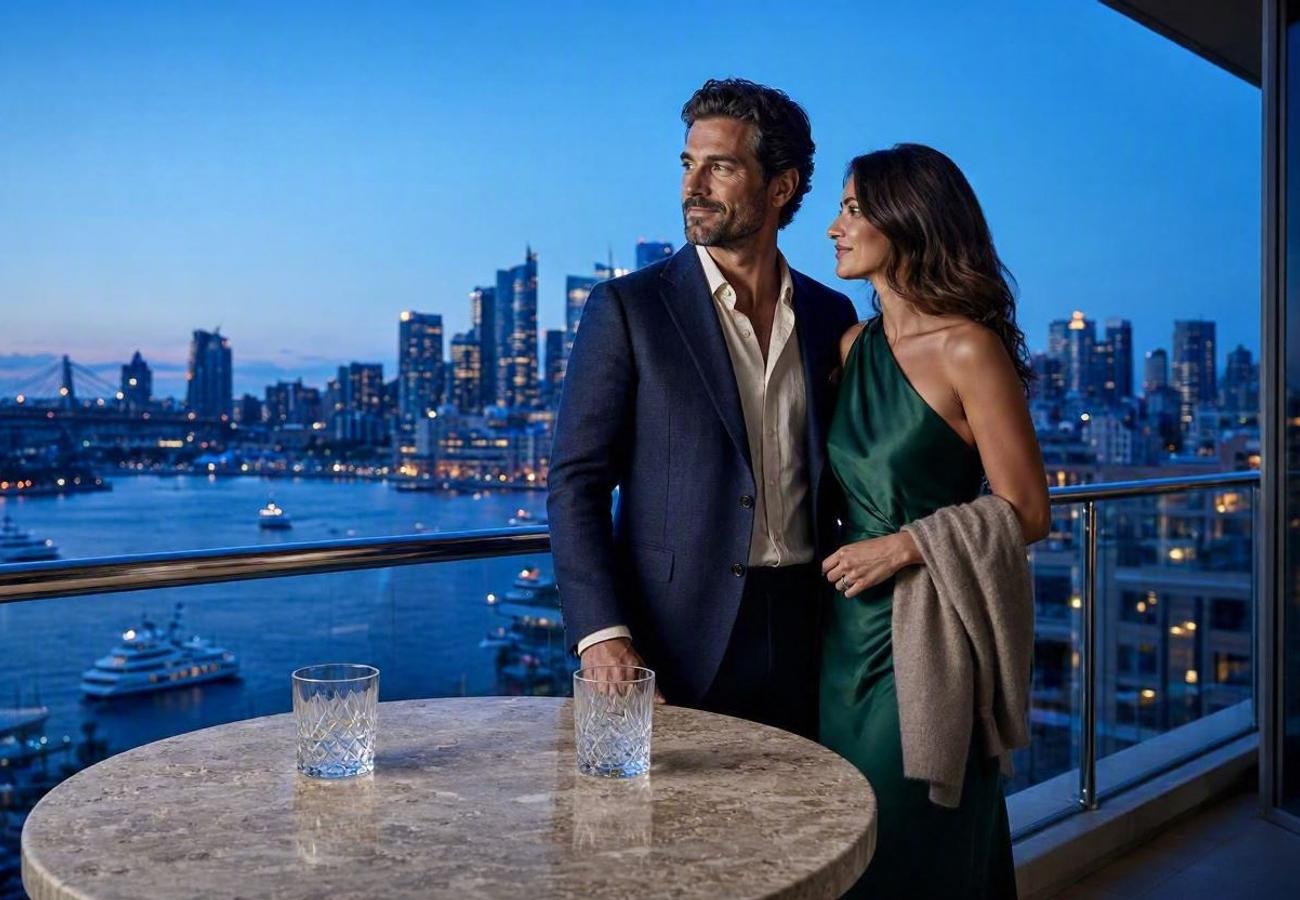
Image generated by AI
[Sydney, September 19, 2026] — High-spending international travelers from China and the United Kingdom are driving a rapid expansion of Australia's luxury hotel sector, cementing Sydney's status as a global premium travel hub.
The surge is characterized by a significant increase in spending power and a shift in consumer preference toward personalized, high-end experiences. Recent market data indicates that the luxury segment in Australia and New Zealand is now substantially outperforming the broader hospitality industry, fueled by a combination of limited room supply and an influx of wealthy tourists from key global markets.
The Catalyst for Luxury Growth
The current boom is rooted in a fundamental shift in how high-net-worth individuals approach travel. Modern luxury tourists are moving away from standard high-end rooms in favor of "experience-driven" stays that integrate wellness, local cultural immersion, and unique architectural design.
According to research from CBRE, the demand for luxury hotels across Australia and New Zealand has maintained a compound annual growth rate (CAGR) of 2.9% since 2019. This growth rate is more than double that of the general hotel market, which grew by approximately 1.3% over the same period. Despite the introduction of new properties, luxury hotels have kept occupancy levels stable between 78% and 79%, signaling a deep and resilient demand for premium accommodations.
Since 2020, the region has expanded its high-end inventory by adding 20 luxury hotels, totaling 3,517 new rooms. In Australia specifically, luxury properties accounted for roughly 33% of all new hotel room deliveries during this window.
Market Impact: Sydney's Dominance
Sydney has emerged as the primary engine of this growth, leveraging its status as a gateway city with world-class infrastructure and global connectivity. The city's luxury hotels are currently reporting some of the strongest performance metrics in the country.
| Metric | Sydney Luxury Hotel Performance (2026) |
|---|---|
| Average Daily Rate (ADR) | A$450 |
| Occupancy Rate | 85% |
| Revenue Per Available Room (RevPAR) | A$384 |
This performance is supported by a scarcity of premium rooms. Because new luxury developments require massive capital investment and must meet stringent construction and operational standards, the limited supply allows existing hotels to maintain aggressive pricing and high occupancy levels.
Who Is Driving the Demand
The growth is not uniform across all demographics; it is heavily concentrated in three primary international markets. Data for the year ending March 2026 reveals the massive financial contribution of these visitors to the Australian economy:
- China: Remains the highest-spending inbound market, contributing A$13.7 billion in international tourism expenditure.
- United Kingdom: Contributed approximately A$5.5 billion to the economy.
- United States: Generated roughly A$4.6 billion in spending.
Combined, these three nations account for approximately 41% of all international visitor expenditure in Australia. These travelers specifically target the luxury tier, seeking fine dining, exclusive activities, and highly personalized concierge services.
What This Means for Travelers
For those booking trips to Australia in 2026, the "luxury boom" translates to several practical changes in the travel experience:
1. Higher Costs and Lower Availability With an ADR of A$450 in Sydney and limited new supply, travelers should expect premium pricing. Last-minute bookings for high-end suites in the city center are becoming increasingly difficult and expensive.
2. Shift Toward "Authentic" Luxury Hotels are pivoting away from gold-plated opulence toward "meaningful" luxury. Travelers will find more wellness programs, indigenous cultural experiences, and sustainable travel options integrated into their stay.
3. Gen Z Influence A new wave of luxury is arriving via younger travelers. Generation Z's per-person luxury spending is forecast to rise by 28% between 2024 and 2030. This means hotels are updating their tech stacks and dining concepts to appeal to a younger, design-conscious, and sustainability-minded demographic.
The Global Outlook and Future Timeline
Australia's local growth is a microcosm of a broader global trend. The global luxury travel market is projected to scale from US$190 billion in 2026 to US$417 billion by 2034. As wealthy consumers worldwide shift their spending toward "once-in-a-lifetime" experiences, Australia is positioning itself as a primary destination by blending urban luxury with natural landscapes, such as wine regions and wildlife tourism.
Industry analysts expect continued pressure on hotel supply. While investors are looking at other Australian cities to diversify their portfolios, Sydney will likely remain the powerhouse due to its international reputation and business travel demand.
For travelers seeking official guidance on entry requirements or tourism standards, the Australian Government's Department of Home Affairs and Tourism Australia provide the most current regulatory and promotional information.
FAQ: Australia Luxury Travel 2026
Why are luxury hotel prices rising so quickly in Sydney? Prices are increasing due to a combination of high demand from Chinese and UK travelers and a limited supply of premium rooms. High development costs and strict planning requirements have slowed the construction of new luxury properties.
What are the current average costs for a luxury stay in Sydney? As of 2026, the Average Daily Rate (ADR) for luxury hotels in Sydney is approximately A$450, with a Revenue Per Available Room (RevPAR) of A$384.
How is the luxury experience changing for younger travelers? Generation Z is driving a shift toward authenticity and wellness. Instead of traditional luxury, they prioritize sustainable travel, local cultural connections, unique hotel design, and personalized, experience-driven services.
Which countries are the biggest spenders in Australian luxury tourism? China is the leading market (A$13.7 billion), followed by the United Kingdom (A$5.5 billion) and the United States (A$4.6 billion).
The era of the standard five-star room is over; the era of the curated experience has arrived.
Related Travel Guides
Disclaimer
This article is for informational and educational purposes only. It does not constitute legal, financial, or professional advice. While we strive to provide accurate and up-to-date information, travel policies, regulations, and conditions change rapidly. Always verify information with official sources before making travel decisions. Nomad Lawyer makes no representations about the accuracy, reliability, completeness, or suitability of the information provided. Readers should consult qualified professionals for advice specific to their circumstances. The views expressed in this article are those of the author and do not necessarily reflect the views of Nomad Lawyer.
Naina Thakur
Contributor & Travel Specialist
Travel enthusiast and legal writer covering visa regulations, responsible tourism, and cultural journeys across global destinations.
Learn more about our team →