
UK Air Traffic Control Breakdown Triggers Delays Across Heathrow, Gatwick, and Major Airports


Commercial air corridors across the United Kingdom experienced widespread disruption on September 9, 2026, following a technical failure in the flight processing systems operated by National Air Traffic Services (NATS). The system glitch forced air traffic controllers to restrict departure and arrival rates across the nation's premier aviation gateways—including London Heathrow, London Gatwick, Manchester, London Stansted, and Edinburgh—triggering extensive flight delays, rolling cancellations, and network-wide aircraft repositioning challenges.
The technical breakdown impacted digital flight processing infrastructure responsible for routing flight plans, managing airway handoffs, and preserving mandatory separation minimums between commercial airliners in UK airspace. While NATS confirmed that technicians resolved the core software issue, aviation authorities cautioned that system-wide recovery will require time as airlines address accumulated flight backlogs, reposition displaced aircraft, and manage strict crew duty-time limitations.
For domestic travelers, transatlantic commuters, and European leisure tourists, the disruption created boarding gate queues, missed onward connections, and schedule revisions across Britain's busiest terminals.
The Local Trend Revealed: NATS Flight Processing Glitch Sparks Nationwide Ripple Effects
Unlike severe weather events or physical runway closures that localize operational challenges, an air traffic management processing failure instantly impacts the entire national airspace grid. Because commercial airlines operate tightly synchronized fleet rotations, a ground delay at London Heathrow Airport (LHR) or London Gatwick Airport (LGW) cascades immediately across regional hubs like Manchester Airport (MAN) and Edinburgh Airport (EDI).
To ensure aviation safety while digital coordination systems experienced difficulties, air traffic controllers manually spaced arrivals and throttled departure slots. The resulting capacity limits left aircraft parked on tarmac aprons and delayed inbound transatlantic and continental rotations.
| Airport Facility | Code | Country / Region | Operational Role | Primary Disruption Impact |
|---|---|---|---|---|
| London Heathrow | LHR | England | Premier Global Hub | Departures throttled; severe international connection holds |
| London Gatwick | LGW | England | Major Leisure Gateway | Point-to-point European departure holds and cancellations |
| Manchester Airport | MAN | Northern England | Northern Global Gateway | Transatlantic and regional European schedule slippage |
| London Stansted | STN | England | Low-Cost Carrier Hub | Tight turnaround delays across European low-cost networks |
| Edinburgh Airport | EDI | Scotland | Scotland's Busiest Airport | Domestic shuttles to London and European holiday departures delayed |
The UK Civil Aviation Authority (CAA) advised passengers to check real-time flight status directly with operating carriers before setting out for airport terminals, warning that gate allocations and departure schedules were subject to rapid tactical changes during operational recovery.
Cultural & Environmental Value: Transitioning from Tarmac Delays to Green Rail Alternatives
Air traffic control ground holds carry a heavy environmental cost, as idling aircraft engines on taxiways burn thousands of kilograms of aviation fuel and generate avoidable carbon emissions.
The incident underscores the growing appeal of the UK’s extensive electrified rail network as a dependable, low-emission travel alternative. During domestic flight disruptions between London, the Midlands, and Scotland, intercity rail services provide an agile travel corridor:
- London to Edinburgh: LNER's electric Azuma trains operate along the East Coast Main Line from London King's Cross to Edinburgh Waverley in 4 hours 20 minutes, emitting up to 85% less carbon per passenger than domestic air shuttles while delivering passengers straight into Edinburgh’s historic city center beneath the castle rock.
- London to Manchester: Avanti West Coast services from London Euston reach Manchester Piccadilly in 2 hours 10 minutes, bypassing airport security queues and airspace flow restrictions.
For international visitors stranded at airports during long delays, the pause provides an opportunity to support independent local businesses rather than chain airport food outlets. Travelers stuck at Heathrow or Gatwick can use rapid rail links to explore historic market towns and neighborhood cultural quarters, dining at multi-generational family-owned bakeries, historic coaching inns, and traditional pubs.
Visitor Insider Tips: Navigating UK Airport Disruptions and Passenger Rights
Navigating a nationwide air traffic control recovery requires tactical agility. Travelers can minimize inconvenience using the following local insights:
- Escape Heathrow via the Elizabeth Line: If your departure out of Heathrow is delayed by several hours, avoid waiting at overcrowded gate concourses. Board the Elizabeth Line directly from Terminal 2, 3, 4, or 5 into central London. A 30-minute ride brings you to Paddington, where you can walk through the serene canals of Little Venice or stroll into Hyde Park. Alternatively, take a 15-minute taxi or local bus 8/703 west to historic Windsor, where you can admire Windsor Castle and the Great Park before your evening departure.
- Rapid Edinburgh Airport Transit: If stranded at Edinburgh Airport, avoid expensive airport taxis. Board the Edinburgh Tram located directly outside the arrivals hall; it runs every 7 minutes and reaches Princes Street in 35 minutes. Spend your layover wandering the medieval Royal Mile in the Old Town, exploring Dean Village, and savoring authentic Scottish Cullen skink (smoked haddock and potato chowder) at a heritage tavern.
- Understanding UK261 Passenger Rights: Under UK Civil Aviation Authority consumer regulations (UK261), airlines have a statutory duty of care when flights face extended delays. For short-haul flights delayed past two hours, or long-haul services delayed past four hours, the airline must provide complimentary food and drink vouchers alongside communication access. If an operational delay forces an overnight stay, carriers are legally required to provide hotel accommodation and ground transportation.
- Digital Tools for Real-Time Tracking: Airline smartphone apps often delay push notifications during large-scale network recovery. Cross-reference your flight’s status using live radar apps like FlightAware or Flightradar24, tracking the inbound flight number to verify where your physical aircraft is currently positioned before you head to the security checkpoint.
Tourism Outlook: Strengthening Digital Infrastructure Across British Aviation
The NATS flight processing breakdown highlights the central role of digital infrastructure in sustaining modern travel. As the United Kingdom continues to welcome millions of international visitors exploring London landmarks, historic cathedral cities, and Scottish highland vistas, system resilience remains paramount.
Aviation bodies, airport operators, and rail carriers will continue investing in next-generation automated airspace tools, backup digital failovers, and integrated rail-air ticketing platforms. By reinforcing the reliability of both skyways and railways, the UK ensures its transport network remains accessible and resilient for travelers from around the world.
Related Travel Guides
This article is for informational purposes. Flight routes, passenger regulations, visa rules, and transit advisories are subject to change by airlines and aviation authorities. Readers are advised to verify schedules and travel documentation with relevant carriers and border agencies before departure.
Related Stories

Storm Austen and Boelo Disrupt Western Europe Aviation: Flight Cancellations Across UK and France 2026
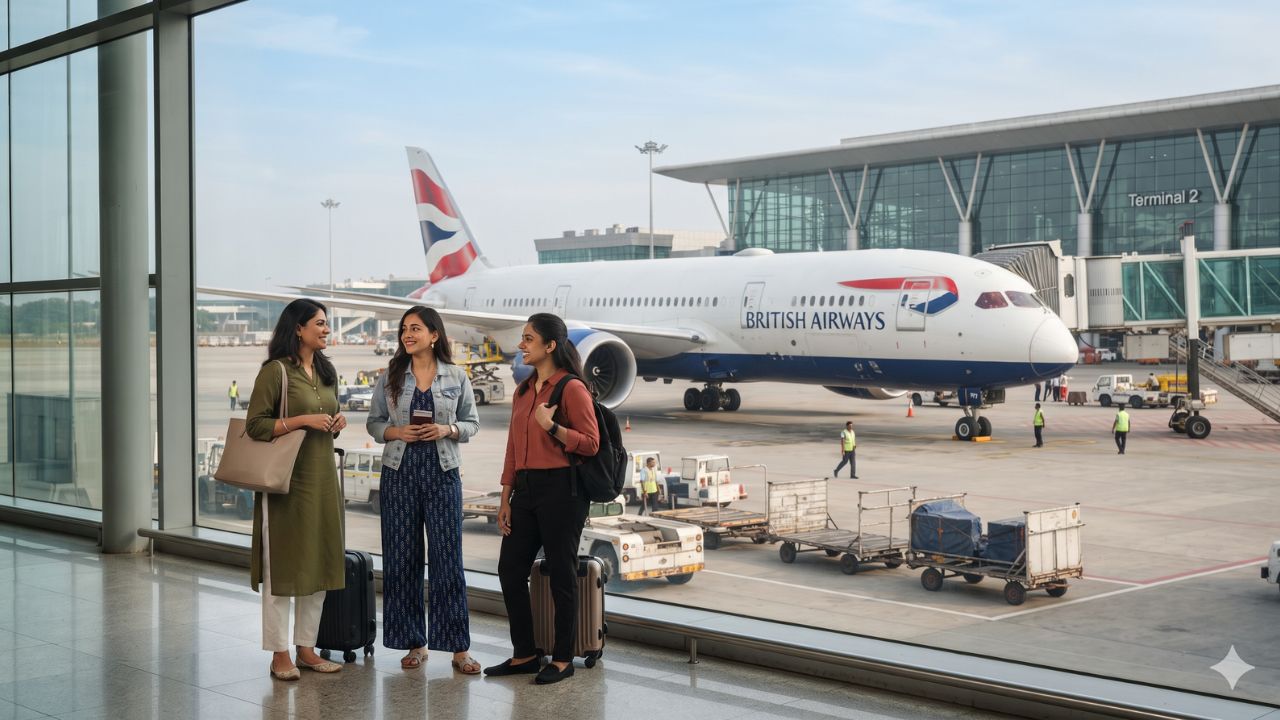
British Airways Extends Double-Daily Bengaluru–London Flights Through Summer 2027 Adding 78,000 Seats
