
Uganda Says Tourist Sites Safe Despite Ebola Outbreak in 2026
Uganda says tourist destinations remain safe amid Ebola concerns, with authorities deploying thermal screening and sanitization protocols across national parks in 2026.

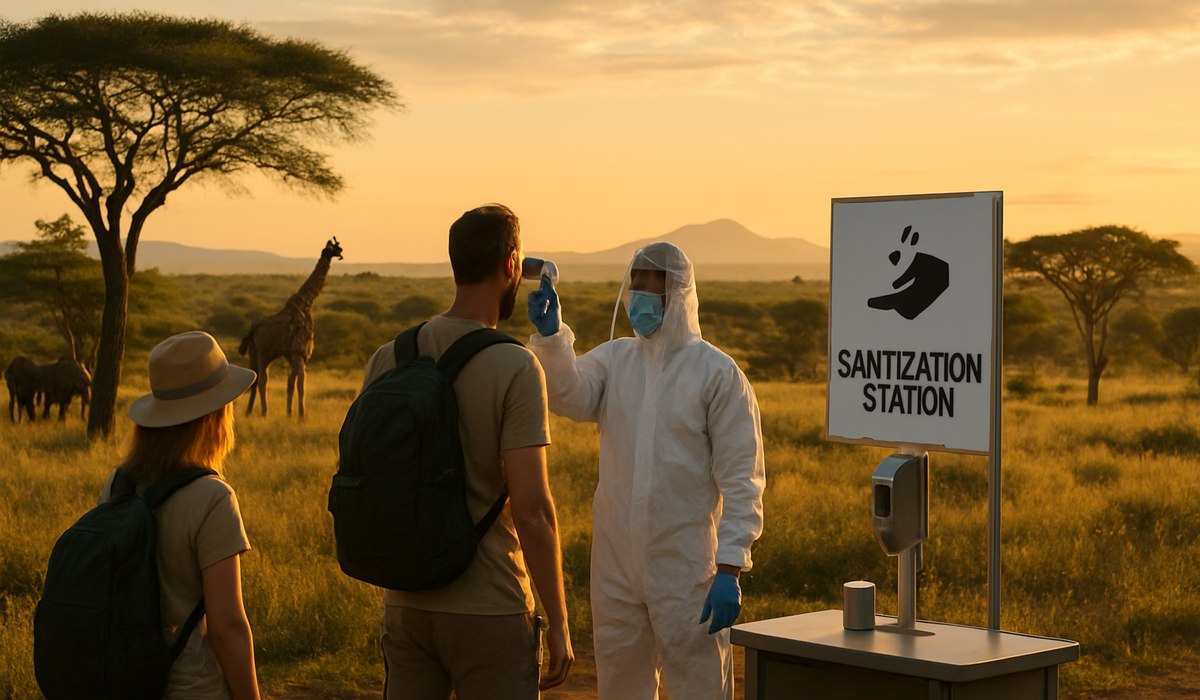
Image generated by AI
Uganda Declares National Parks Safe Amid Health Concerns
Uganda's tourism authority has officially reassured international travelers that major national parks and wildlife destinations remain secure and accessible despite an active Ebola outbreak affecting certain regions. Government officials implemented comprehensive health screening protocols at entry points to safari lodges, trekking routes, and protected conservation areas. The Ministry of Health confirmed no new confirmed cases were recorded in recent weeks, suggesting containment efforts are succeeding. Tourism operators across the country continue welcoming visitors while maintaining strict sanitation and distance requirements. This announcement directly addresses growing concern among European and North American travelers considering East African vacations.
Uganda's Safety Assurances for Tourists
Uganda's government has prioritized transparent communication with the international travel community about disease containment progress. Officials emphasized that major tourist attractions—including Bwindi Impenetrable National Park, Queen Elizabeth National Park, and Kibale Forest Reserve—operate under heightened biosafety standards without visitor restrictions.
The Uganda Wildlife Authority released statements confirming that mountain gorilla trekking expeditions, boat safaris on Lake Albert, and guided nature walks proceed as scheduled. Park rangers received specialized training in infection prevention protocols and symptom recognition. Tour operators report that advance bookings remain steady, though some travelers have rescheduled trips for later in the year as a precautionary measure.
International health organizations continue monitoring the situation. The World Health Organization maintains an active presence supporting Uganda's disease surveillance network. Travel insurance providers have adjusted their policies to cover health-related trip cancellations related to Ebola concerns, offering clients greater flexibility. Tourism revenue constitutes a significant portion of Uganda's GDP, making economic recovery through visitor confidence restoration a national priority.
Ebola Prevention Measures at Tourist Sites
Thermal imaging cameras now operate at entry checkpoints for major tourist facilities throughout Uganda. Staff members conduct non-contact temperature screening of all arriving visitors and employees. Hand sanitization stations featuring alcohol-based solutions are positioned at regular intervals along trekking routes, lodge entrances, and restaurant facilities.
Accommodation providers have upgraded their cleaning protocols, employing hospital-grade disinfectants and increasing housekeeping frequency. Guides maintain minimum physical distance requirements during wildlife viewing experiences. Equipment sharing—including binoculars, walking sticks, and vehicle seating—follows strict sanitization between uses.
Private tour companies have invested in transparent protective barriers for vehicle interiors and open-air safari vehicles to enhance ventilation. Medical teams stationed at remote lodges can rapidly respond to health emergencies. All staff members receive regular health screening, with sick leave policies encouraging immediate reporting of symptoms. The Uganda Ministry of Health has established 24-hour hotlines connecting tourists directly with medical professionals. This multilayered approach demonstrates Uganda's commitment to maintaining tourism operations while prioritizing visitor health and safety standards.
Impact on Travel Plans and Bookings
Tourism data reveals mixed traveler responses to Uganda's safety assurances. Major tour operators report that bookings declined approximately 15-20% immediately following travel advisories from Western governments, but recovery trends show renewed interest among adventurous travelers prioritizing authentic experiences.
Hotels across Kampala and regional tourism hubs report occupancy rates stabilizing near pre-alert levels during weekends, while weekday bookings remain cautiously optimistic. Airlines serving Uganda—including RwandAir, Kenya Airways, and Ethiopian Airlines—have not implemented flight cancellations or capacity reductions. Regional competitors like Tanzania and Kenya have experienced minimal booking impacts, suggesting travelers view Uganda-specific concerns as temporary rather than systemic to East African tourism.
Insurance companies expanded coverage for pandemic-related disruptions, helping travelers manage financial risk. Group tour operators have modified itineraries to emphasize outdoor activities over crowded indoor venues. Luxury safari operators maintain premium pricing while offering flexibility clauses allowing free rescheduling. Budget-conscious backpackers continue exploring Uganda's diverse destinations, undeterred by health concerns. Travel agencies specializing in East Africa report increased demand for current-season discounted packages, reflecting market adjustment to temporary uncertainty rather than sustained demand destruction.
Public Gathering Restrictions and Travel Guidelines
The Ugandan government implemented targeted restrictions on mass gatherings exceeding specific attendee thresholds while exempting most tourism activities. Nightclubs, large concert venues, and stadium events remain temporarily closed. However, restaurants with controlled capacity operate normally, and guided group tours of up to 20 participants continue without restrictions.
Travelers should verify current guidelines with their accommodation providers before arrival, as localized restrictions may vary by region. The Uganda Tourism Board maintains updated advisories on its official website. All visitors must comply with basic hygiene protocols including mask-wearing on public transportation and in medical facilities. Travelers with fever, cough, or respiratory symptoms should immediately notify their tour guides or accommodation staff.
Visa processing continues without delays or additional health documentation requirements. International airports maintain standard entry procedures alongside new thermal screening. Domestic travel between regions operates freely without roadblocks impeding tourist movement. Most restrictions affect local residents more heavily than international visitors, whose movements through national parks and designated tourism areas remain largely unrestricted. Healthcare access for travelers is comprehensive, with private clinics in major cities meeting international standards for emergency treatment.
| Aspect | Details | Status |
|---|---|---|
| Major Parks Open | Bwindi, Queen Elizabeth, Kibale Forest | Fully Operational |
| Thermal Screening | Entry checkpoints, lodges, transportation hubs | Active |
| Group Tour Capacity | Maximum recommended participants | 20 persons |
| Health Insurance | Coverage for Ebola-related disruptions | Available |
| Flight Operations | International and regional services | Normal |
| Medical Facilities | Private clinics in tourist zones | Functional |
| Accommodation Status | Hotels and lodges operational | Open for Booking |
| Visa Processing | Tourist entry documentation | No Changes |
| Public Gatherings | Restrictions on large events | In Effect |
| Recent Cases | New confirmed infections | None Reported |
What This Means for Travelers
Travelers considering Uganda vacations should take the following steps:
-
Monitor official sources: Review guidance from the World Health Organization and your government's travel advisory service before booking, ensuring information is current as of 2026.
-
Verify park operations: Contact your chosen accommodation or tour operator directly to confirm that specific attractions remain open and accessible during your planned travel dates.
-
Secure comprehensive insurance: Purchase travel insurance explicitly covering pandemic-related cancellations and medical evacuation, providing financial protection for unexpected disruptions.
-
Pack preventive supplies: Bring personal hand sanitizer, N95 masks, and thermometers for independent health monitoring throughout your journey.
-
Practice hygiene discipline: Adhere strictly to provided sanitation protocols at parks, lodges, and transportation points to minimize exposure risks.
-
Maintain communication: Exchange contact information with your tour operator and save local emergency numbers for rapid medical assistance if symptoms develop.
-
Review flexibility terms: Understand cancellation policies and rescheduling options before finalizing bookings, ensuring you can adjust plans if circumstances change.
FAQ
Is it safe to visit Uganda's national parks right now?
Uganda's government confirms that major national parks remain open and secure with comprehensive health protocols in place. Thermal screening stations and sanitization measures protect visitors throughout safari experiences. Recent weeks have shown no new confirmed Ebola cases, suggesting successful outbreak containment in affected regions away from primary tourism zones.
What health screening procedures should I expect at airports?
International airports in Uganda conduct non-contact temperature screening using thermal imaging cameras. Visitors answer health declaration forms about symptoms and recent contacts. Processing typically requires 5-10 minutes and does not prevent entry for asymptomatic travelers. Standard visa and customs procedures continue alongside new health measures without significant delays.
Can I still book guided gorilla trekking expeditions?
Yes, mountain gorilla trekking in Bwindi Impenetrable National Park operates on regular schedules with enhanced safety protocols. Small group sizes (typically 6-8 trekkers per guide) and outdoor-only exposure minimize transmission risks. Guides maintain professional distance standards and provide hand sanitizer at regular intervals throughout expeditions.
Are there restrictions on moving between Uganda's regions?
Disclaimer
This article is for informational and educational purposes only. It does not constitute legal, financial, or professional advice. While we strive to provide accurate and up-to-date information, travel policies, regulations, and conditions change rapidly. Always verify information with official sources before making travel decisions. Nomad Lawyer makes no representations about the accuracy, reliability, completeness, or suitability of the information provided. Readers should consult qualified professionals for advice specific to their circumstances. The views expressed in this article are those of the author and do not necessarily reflect the views of Nomad Lawyer.
Preeti Gunjan
Contributor & Community Manager
A passionate traveller and community builder. Preeti helps grow the Nomad Lawyer community, fostering engagement and bringing the reader experience to life.
Learn more about our team →