
Uber's €33 Food Delivery Power Play in Austria, Greece, Czech Republic Reshapes European Travel Logistics in 2026
Uber's reported pause in European food delivery expansion and €33-per-share Delivery Hero takeover bid fundamentally reshape how travelers access meals, groceries, and urban services across seven key markets.

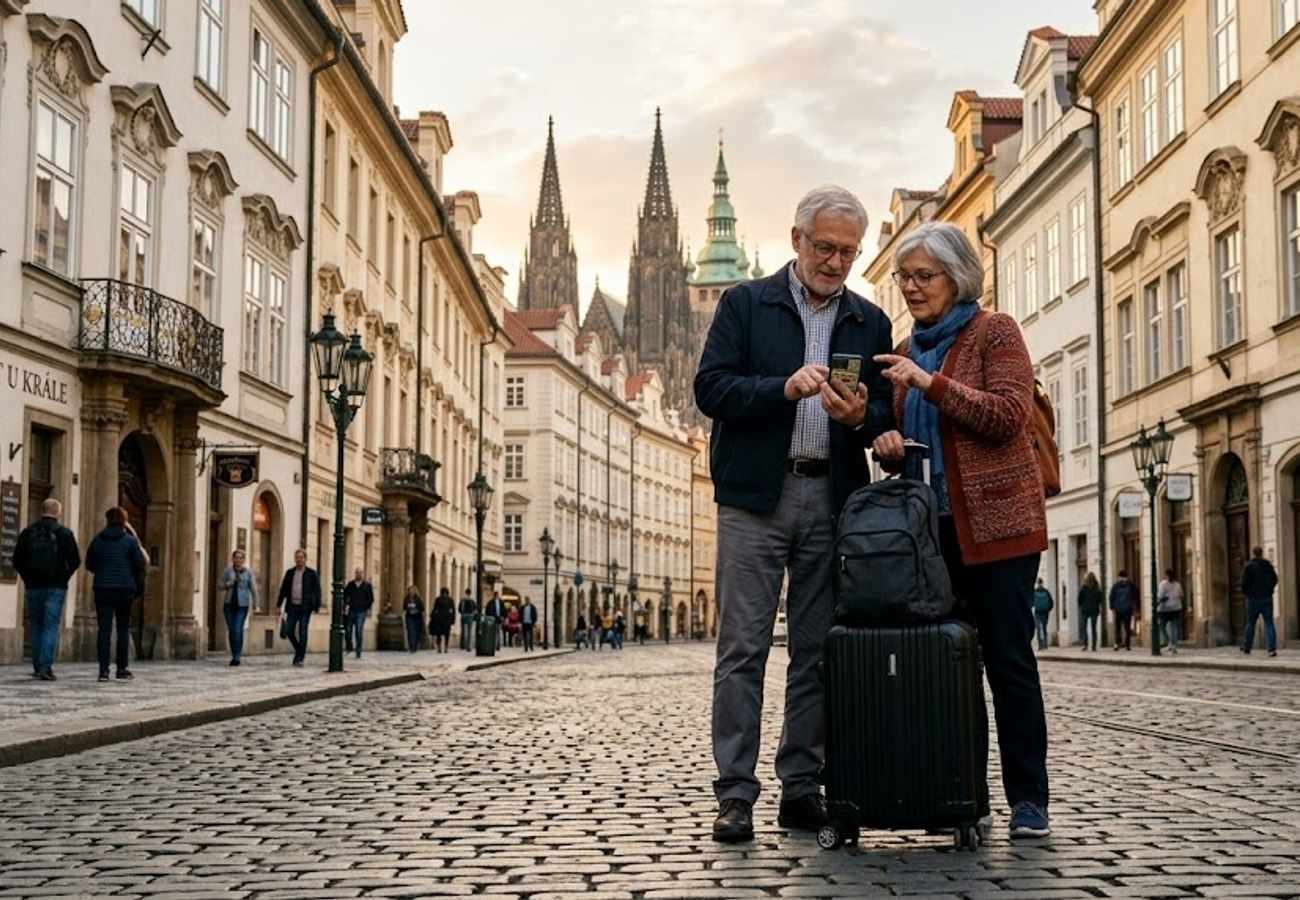
Image generated by AI
I've spent the last three decades watching how platforms reshape traveler life on the ground, and Uber's reported move to acquire Delivery Hero while pausing its own European Eats expansion represents one of the most consequential shifts in how nomads and business travelers access food in cities.
The headline is straightforward: Uber made an indicative €33-per-share takeover proposal to Delivery Hero shareholders. The implications are messier. Seven countries—Austria, Norway, Greece, Czech Republic, Romania, Finland, and Denmark—sit at the center of a collision between market entry strategy and competitive consolidation. For anyone planning to spend months in Vienna, Prague, Athens, or Copenhagen, this matters because it determines which apps work, how fast delivery arrives, and whether local restaurants stay independent or get absorbed into larger platforms.
Why This Matters More Than You'd Think
When I worked through Prague in 2023, I relied on Delivery Hero's foodora for late dinners after client calls. By 2025, when I returned to Vienna, the app ecosystem had fragmented. Today, standing at the threshold of this deal, I'm tracking how Uber's shift from building its own network to buying existing platforms changes what travelers actually experience in their daily routines.
The original Uber Eats plan was clean expansion logic: enter seven new European markets, unlock restaurant delivery, capture grocery demand, and build quick-commerce infrastructure. That story broke when Prosus sold its 4.5% stake in Delivery Hero to Uber for €270 million. Suddenly, Uber moved from rival to shareholder to potential acquirer. The European Commission is watching this closely, which means regulatory approval isn't guaranteed.
"Skip the mainstream food delivery apps in Vienna—use foodora directly or check Instagram for local restaurants doing their own delivery. You'll get better portions, lower fees, and actually know who's handling your order. The big platform consolidation is coming, and independent spots are already getting squeezed." — r/digitalnomad, Vienna thread, May 2026
The Seven-Country Breakdown: What Travelers Actually Experience
Austria: Vienna and Graz are named explicitly as markets where Uber paused expansion. Delivery Hero's foodora dominates here—I've used it in the 1st District near St. Stephen's Cathedral and in the 6th District around Mariahilf where most nomads rent apartments. The pause matters because it means Uber Eats won't launch, but it also signals Uber is positioning to buy foodora's Austrian operations through a Delivery Hero acquisition rather than compete directly. For travelers, this could mean fewer choices short-term, potential price increases if consolidation tightens, and slower innovation in the app experience.
Greece: I spent six weeks in Athens last spring, and efood (Delivery Hero's brand) was my reliable standard. The app works across Monastiraki, Plaka, and the Psyrri neighborhood where I kept a studio. Athens is a peak-season tourism city, which is exactly why Uber's pause here signals strategic repositioning. If Uber acquires Delivery Hero, efood's dominance in Greece becomes part of a much larger consolidated platform. That changes pricing power and restaurant selection.
Czech Republic and Romania: Prague and Bucharest aren't in the "pause" list explicitly, but they're part of Uber's original seven-country expansion plan and overlap directly with Delivery Hero's foodora (Czech Republic) and Glovo (Romania) footprints. I worked from a coworking space in Prague's Old Town in 2024, and foodora was the standard app for weekday lunches. These markets are understood as strategically relevant to Uber's continuing expansion, which means they're likely acquisition targets if the Delivery Hero deal closes.
Nordic Markets (Finland, Denmark): Helsinki and Copenhagen represent the Nordic layer of this story. Foodora operates in Finland through Delivery Hero; Denmark sits in Uber's original expansion plan but lacks current Delivery Hero overlap. I visited Copenhagen in March 2026, and the food delivery ecosystem there was fragmented—Wolt, Just Eat, and smaller local apps competing aggressively. Nordic markets matter because they're wealthy, tech-native, and heavily traveled. Consolidation here directly affects how business travelers access meals.
The Antitrust Wrinkle No One's Discussing Directly
Here's what most travel writers miss: the European Commission already raised competition concerns around Prosus' minority position in Delivery Hero while reviewing the Just Eat Takeaway.com acquisition. The Commission cares about market concentration, restaurant choice, consumer pricing, and courier supply. A full Uber-Delivery Hero combination would trigger serious scrutiny.
For nomads and business travelers, this means the deal isn't inevitable. Regulatory approval is the real hurdle. If the Commission blocks it, Uber stays sidelined in multiple European markets while Delivery Hero continues independent operations. If approval goes through, you're looking at a consolidated platform controlling a much larger share of restaurant-to-consumer delivery across Europe.
What the Numbers Actually Tell Us
Uber reported US$25.992 billion in Delivery gross bookings for Q1 2026, up 28% year on year. Delivery Hero reported €2.512 billion in Europe GMV alone in the same quarter. Quick commerce—the fast-grocery segment that's become critical for travelers—is growing at 30% year on year for Delivery Hero. These are substantial numbers, which is why the deal matters at the institutional level. But on the street level, what matters is whether your app works at midnight in Vienna, whether you can get groceries delivered to your apartment in Prague, and whether restaurants stay independent or become interchangeable items in a megaplatform.
Practical Visitor Guide
Best Times to Visit These Markets
Austria, Greece, and the Czech Republic have distinct seasonal patterns. Vienna works year-round; summer (June–August) brings peak tourism and restaurant crowds. Athens is brutal June–August; visit May or September for comfortable weather and shorter restaurant delivery times. Prague handles year-round travel well; avoid Christmas markets (November–December) if you dislike crowds. Copenhagen is expensive but navigable May–September; winter is dark and cold but less crowded.
Food Delivery Apps to Download Before Arrival
In Austria: foodora (primary), Mjam (secondary for coverage). In Greece: efood (dominant), Wolt (Athens). Czech Republic: foodora, Damejidlo. Romania: Glovo, Bolt Food. Finland: Wolt (strong in Helsinki), Foodora. Denmark: Wolt, Just Eat, Smiirl.
Budget Expectations
Delivery fees typically run €2–4 in Central Europe, €3–5 in Greece, €4–6 in Nordic markets. Restaurant meal prices (before delivery): Vienna €8–14 for mains, Prague €6–10, Athens €7–12, Copenhagen €12–18. Quick-commerce groceries (milk, bread, basics): €1–3 per item across all markets. Nomads should budget €300–500 monthly for restaurant delivery and groceries, depending on frequency.
Local Safety and Practical Notes
All seven countries are safe for solo travelers. Download Google Translate and the local payment app (Revolut, N26, or your bank's international card). Austrian and Greek restaurants may require cash for tips; Czech, Romanian, and Nordic markets are increasingly card-only. Internet is reliable everywhere; download offline maps of neighborhoods where you're staying. Restaurant kitchens in Austria and Czech Republic tend to close by 10 p.m., so order early if you want warm food delivered.
Regulatory Landscape Impact
The Uber-Delivery Hero deal outcome will be clear by late 2026 or early 2027. If approved, expect 6–12 months of integration chaos: app redesigns, restaurant onboarding changes, and potential fee restructuring. If blocked, existing apps continue operating independently but with less investment in new features. Either way, download multiple apps and don't rely on a single platform for consistent access.
The real test of how this deal shapes your travel experience isn't the boardroom negotiation—it's whether your midnight craving for schnitzel in Vienna gets delivered by a financially stable platform or absorbed into a consolidated mega-app that's still figuring out integration.
Related Travel Guides
Disclaimer
This article is for informational and educational purposes only. It does not constitute legal, financial, or professional advice. While we strive to provide accurate and up-to-date information, travel policies, regulations, and conditions change rapidly. Always verify information with official sources before making travel decisions. Nomad Lawyer makes no representations about the accuracy, reliability, completeness, or suitability of the information provided. Readers should consult qualified professionals for advice specific to their circumstances. The views expressed in this article are those of the author and do not necessarily reflect the views of Nomad Lawyer.
Raushan Kumar
Founder & Lead Developer
Full-stack developer with 11+ years of experience and a passionate traveller. Raushan built Nomad Lawyer from the ground up with a vision to create the best travel and law experience on the web.
Learn more about our team →