
Travel Turmoil Hits UAE: 15 Flights Suspended Across Emirates, FlyDubai, Gulf Air and KLM
Travel turmoil hits UAE airports as Emirates, FlyDubai, Gulf Air and KLM cancel 15 flights with widespread delays affecting Dubai and Abu Dhabi routes in March 2026.

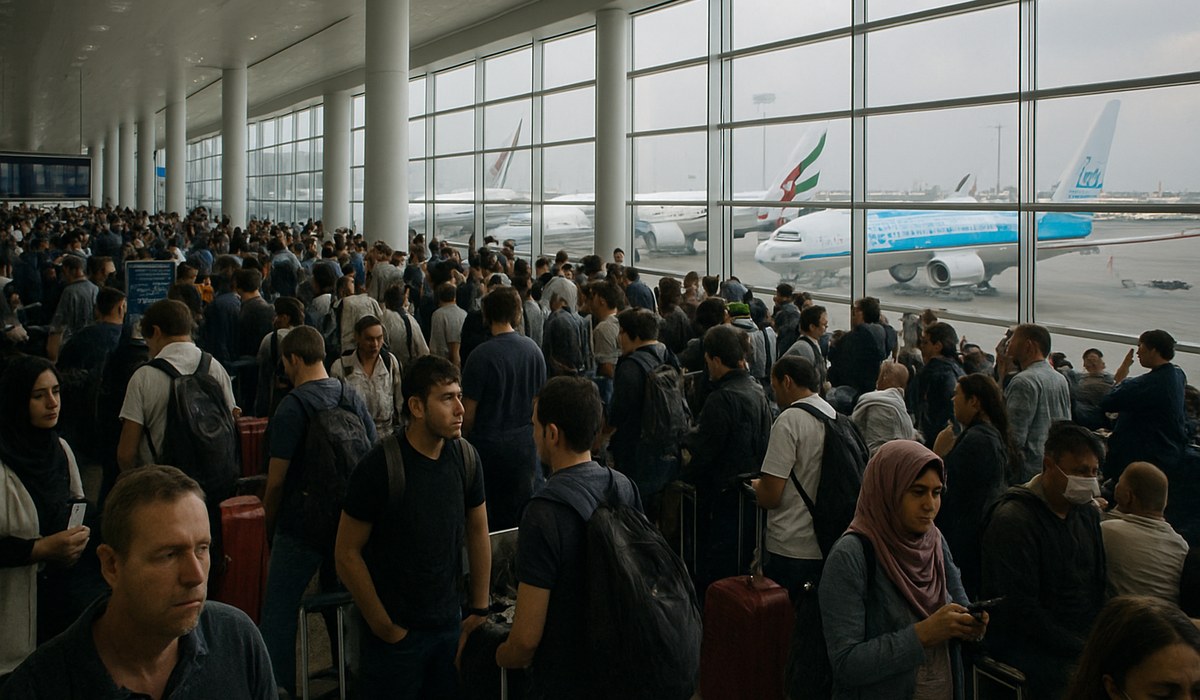
Image generated by AI
Quick Summary
- Fifteen flights suspended across Emirates, FlyDubai, Gulf Air and KLM affecting Dubai International (DXB) and Abu Dhabi International (AUH)
- Dozens of additional departures experiencing delays ranging from 90 minutes to over four hours
- Operational challenges compound existing concerns about Gulf aviation infrastructure capacity
- Passengers entitled to rebooking, refunds, or compensation depending on airline and ticket type
Chaos descended on United Arab Emirates airports Friday as travelers confronted a wave of cancellations and delays spanning four major carriers. Departure boards at Dubai International and Abu Dhabi International displayed mounting red alerts throughout the morning, with fifteen flights completely scrubbed and dozens more pushed back hours past scheduled times.
The simultaneous disruptions affecting Emirates, FlyDubai, Gulf Air, and KLM Royal Dutch Airlines exposed vulnerabilities in one of the world's most interconnected aviation corridors. Dubai International alone handles over 88 million passengers annually, making even limited disruptions cascade across global networks.
Airport officials confirmed the cancellations began appearing around 5:30 AM local time, catching early-morning departures and connecting passengers off guard. By mid-afternoon, the ripple effects had spread to European hubs, Asian gateways, and African destinations dependent on Gulf connections.
This latest disruption follows a pattern of ongoing travel disruptions across multiple routes that have challenged Middle Eastern aviation networks throughout March 2026.
Scale of the Disruption: Which Airlines and Routes Are Affected
Emirates suspended seven flights from Dubai International, primarily impacting long-haul services to London Heathrow, Manchester, Frankfurt, and Singapore. The carrier's premium A380 services bore the brunt of cancellations, with three double-decker flights grounded at Terminal 3.
FlyDubai cancelled four regional services connecting Dubai to Doha, Muscat, Kuwait City, and Amman. These point-to-point routes serve business travelers and regional connections, creating knock-on effects for passengers booked on same-day connections. The carrier's operational challenges mirror recent flight cancellations affecting Doha routes that disrupted Gulf aviation earlier this month.
Gulf Air axed three Abu Dhabi departures, including services to Bahrain's Manama hub and Cairo. The Bahrain-based carrier relies heavily on its Abu Dhabi connections to feed passengers into its home network.
KLM Royal Dutch Airlines suspended its midday Amsterdam-Dubai service, affecting approximately 280 passengers booked on the Boeing 787-9 flight. According to European air traffic management reports, this cancellation created downstream complications for passengers connecting to North American destinations via Schiphol Airport.
Beyond the fifteen confirmed cancellations, real-time flight tracking data showed 47 additional departures delayed by more than 90 minutes across both airports. Delays stretched past four hours for at least twelve flights, triggering mandatory passenger care obligations under various aviation regulations.
What's Causing the UAE Flight Cancellations
Airlines cited "operational constraints" and "air traffic management challenges" as primary factors behind the disruptions. Multiple aviation sources pointed to a confluence of issues rather than a single triggering event.
Technical crew availability emerged as a significant contributor. Emirates confirmed that unexpected sick leave among flight attendants created staffing shortages for three A380 departures. Regulations mandate specific crew-to-passenger ratios that cannot be waived, forcing cancellations when replacements prove unavailable on short notice.
Airspace congestion factored into regional carrier delays. Growing military activity in surrounding areas has compressed available flight corridors, according to sources familiar with air traffic control operations. While specifics remain classified, aviation professionals note that Kuwait's recent airport closure due to drone strikes has heightened sensitivity around Gulf airspace security.
Aircraft maintenance complications compounded scheduling pressures. FlyDubai disclosed that two Boeing 737 MAX aircraft required unscheduled inspections, removing capacity from its fleet during a high-demand travel period.
Weather played a minor role. Reduced visibility at Dubai International early Friday morning delayed several arrivals, creating a domino effect that pushed subsequent departures behind schedule throughout the day.
Ground handling bottlenecks at both airports exacerbated the situation. Baggage processing slowdowns and gate assignment conflicts lengthened turnaround times, making schedule recovery progressively more difficult as the day advanced.
Passenger Rights and Compensation Options
Travelers caught in the disruption face varying rights depending on their ticket origin, destination, and the carrier involved. Understanding these protections helps passengers secure appropriate remedies.
For flights departing from EU airports or operated by EU carriers, EC 261/2004 regulations apply. KLM passengers qualify for compensation ranging from €250 to €600 if their cancellation occurred with less than 14 days' notice and wasn't caused by extraordinary circumstances. The airline must also provide meal vouchers, accommodation if overnight delays occur, and rebooking or refund options.
Emirates and FlyDubai passengers booking through UAE points of sale fall under General Civil Aviation Authority (GCAA) consumer protection rules. These mandate full refunds for cancelled flights or rebooking on the next available service at no additional cost. Hotels and meals become required when delays exceed four hours during daytime or two hours overnight.
Gulf Air passengers connect to Bahrain's aviation regulations, which largely mirror International Air Transport Association guidelines on carrier obligations during irregular operations. The airline confirmed it would accommodate affected passengers on partner carriers when its own services couldn't provide same-day alternatives.
Passengers should document their disruption thoroughly. Keep boarding passes, photograph departure boards showing delays or cancellations, and retain receipts for any expenses incurred due to the disruption. Submit claims within prescribed timeframes—typically 21 days for GCAA cases and two years for EU claims.
Travel insurance may cover additional expenses beyond airline obligations. Policies with trip interruption coverage often reimburse non-refundable hotel reservations, missed tour deposits, and other consequential losses when flight disruptions derail travel plans.
How to Track Your Flight and Alternative Travel Options
Proactive monitoring helps passengers stay ahead of disruption developments. Multiple tools provide advance warning before airports post official updates.
Check carrier apps first. Emirates, FlyDubai, Gulf Air, and KLM all offer mobile applications with push notifications for schedule changes. Enable alerts for your specific flights to receive immediate updates when status changes occur.
Third-party flight tracking services deliver broader visibility. Platforms offering real-time flight tracking data show not just your flight but also the aircraft's current location, previous delays, and pattern trends that might signal trouble before official announcements arrive.
Airport websites maintain live departure boards accessible remotely. Dubai International's online portal refreshes every two minutes, while Abu Dhabi International's system updates continuously with gate assignments and delay estimates.
Alternative routing requires strategic thinking during widespread disruptions. When Gulf carriers face systemic issues, consider:
European routing via Istanbul or Cairo: Turkish Airlines and EgyptAir maintain parallel networks connecting Europe, Asia, and Africa without relying on UAE hubs.
Asian connections through Doha: Despite its own recent challenges, Qatar Airways operates independent infrastructure that may offer options when Dubai and Abu Dhabi struggle.
Direct flights bypassing hubs: Long-haul services from airlines like British Airways, Lufthansa, or Singapore Airlines eliminate connection vulnerability, though at potentially higher fares.
Contact your airline within two hours of discovering cancellation. Phone wait times balloon as disruptions spread, but social media channels often respond faster. Twitter and WhatsApp support teams can rebook flights while you continue other arrangements.
Consider protected connections. If your journey involves multiple tickets, disruptions on the first segment don't obligate the second carrier to accommodate you. Booking as a single itinerary through one airline or alliance provides superior protection.
FAQ: UAE Flight Disruptions
How long will these UAE flight cancellations continue?
Airlines have not specified an end date for the disruptions. Emirates indicated it expects normal operations to resume within 48-72 hours as crew scheduling stabilizes. FlyDubai suggested weekend operations may remain affected while aircraft maintenance concludes. Passengers should check flight status 24 hours before departure and again four hours prior to scheduled takeoff.
Can I get compensation if my Emirates flight was cancelled today?
Compensation depends on your ticket's terms and origin. UAE domestic regulations require refunds or rebooking but don't mandate cash compensation beyond reimbursement of the ticket cost. If you booked through an EU travel agent or your journey originated in Europe, stronger compensation rules may apply under EC 261/2004 regulations, potentially worth €400-€600 for long-haul cancellations.
What should I do if I'm stuck at Dubai or Abu Dhabi airports?
Contact your airline's customer service desk immediately to explore rebooking options. If delays exceed four hours during daytime, request meal vouchers per GCAA regulations. For overnight disruptions, airlines must provide hotel accommodation. Keep all receipts if you arrange your own necessities, as these may qualify for reimbursement. Travel insurance often covers additional costs beyond basic airline obligations.
Are connecting flights protected if my first segment gets cancelled?
Protection depends on booking structure. Single-ticket journeys where one airline issued the entire itinerary receive full protection—the carrier must reroute your entire journey at no charge. Separate tickets carry no such obligation. If your FlyDubai connection is cancelled and you hold a distinct Emirates long-haul ticket, Emirates isn't required to accommodate you, though they may offer assistance as a goodwill gesture.
How can I avoid similar disruptions on upcoming UAE travel?
Book morning departures when possible, as they suffer fewer cascading delays from earlier problems. Select direct flights over connections to eliminate one failure point. Purchase comprehensive travel insurance covering trip interruption and missed connections. Monitor your flight starting 72 hours before departure using tracking apps. Consider flexible tickets that allow no-fee changes if you spot trouble developing before you leave home.
Looking Ahead: Gulf Aviation Under Pressure
The March 28 disruptions underscore mounting pressure on Gulf aviation infrastructure as demand rebounds beyond pre-pandemic levels. Dubai and Abu Dhabi airports, designed as global super-connectors, face capacity constraints when operational margins tighten.
Industry analysts note that simultaneous disruptions across multiple carriers suggest systemic challenges rather than isolated incidents. Airspace limitations, crew availability pressures, and aircraft maintenance backlogs accumulated during reduced pandemic operations now converge as traffic volumes surge.
Travelers planning Gulf transit in coming months should build buffer time into connections and maintain flexible booking options. The region's strategic position makes it irreplaceable for many routing options, but awareness of vulnerabilities allows smarter contingency planning.
Airlines have committed to reviewing scheduling practices and crew rostering systems to prevent recurrence. Whether these operational adjustments prove sufficient remains to be seen as the busy spring travel season intensifies.
Related Articles:
Disclaimer
This article is for informational and educational purposes only. It does not constitute legal, financial, or professional advice. While we strive to provide accurate and up-to-date information, travel policies, regulations, and conditions change rapidly. Always verify information with official sources before making travel decisions. Nomad Lawyer makes no representations about the accuracy, reliability, completeness, or suitability of the information provided. Readers should consult qualified professionals for advice specific to their circumstances. The views expressed in this article are those of the author and do not necessarily reflect the views of Nomad Lawyer.
Preeti Gunjan
Contributor & Community Manager
A passionate traveller and community builder. Preeti helps grow the Nomad Lawyer community, fostering engagement and bringing the reader experience to life.
Learn more about our team →