
Tyne & Wear Metro Retires 40-Year-Old Historic Train Fleet After Serving 48 Stations and Millions of Passengers in 2026
The iconic Tyne & Wear Metro fleet, operational since 1980, is retiring after four decades of connecting Newcastle, Sunderland, and surrounding regions. Farewell events celebrate the legacy before modern replacements take over.

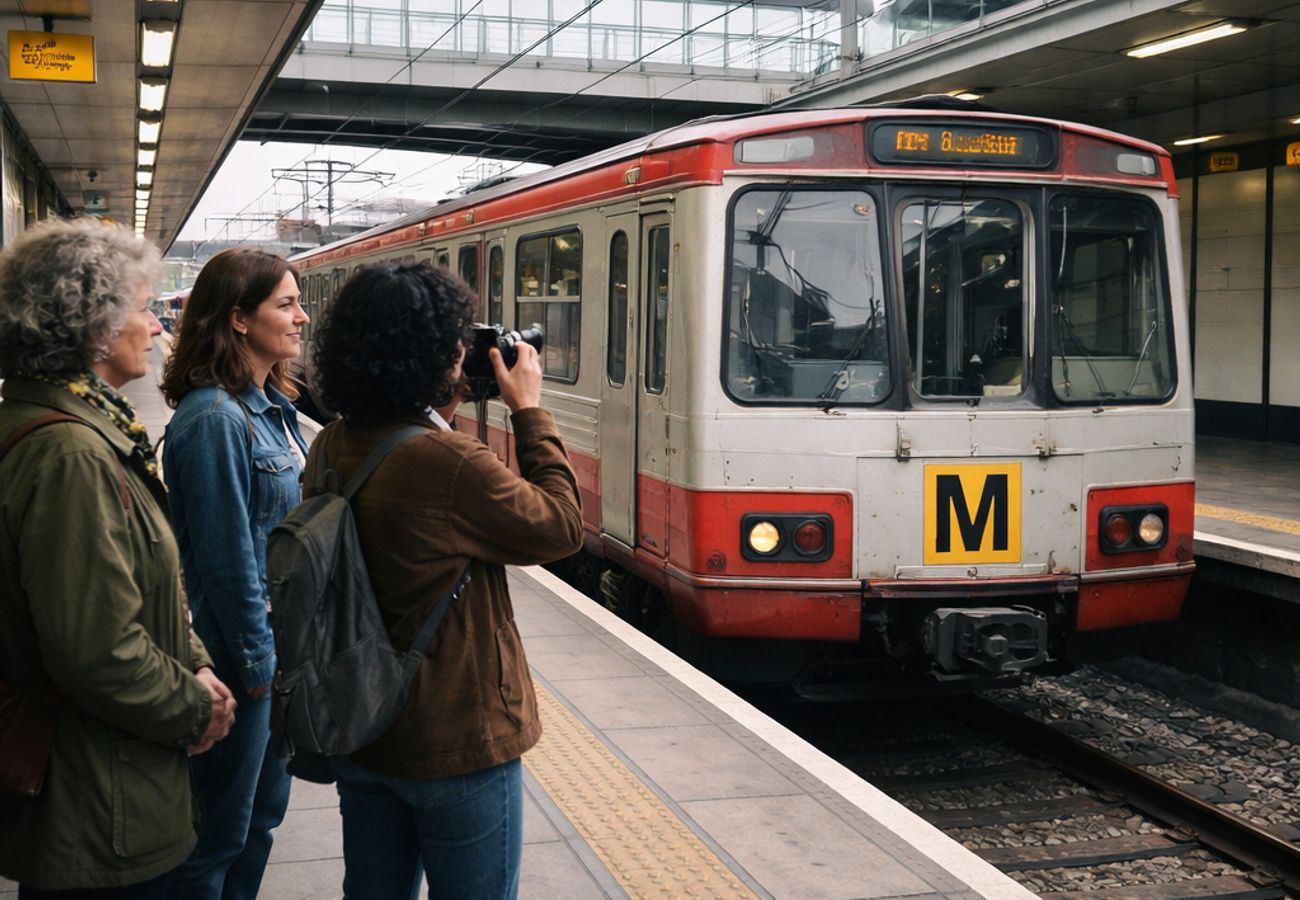
Image generated by AI
The End of an Era: Historic North East Railway Fleet Steps Into History
The Tyne & Wear Metro is bidding farewell to one of the North East's most recognizable icons. After 46 years of faithful service connecting Newcastle, Sunderland, Gateshead, South Tyneside, and North Tyneside, the original train fleet that transformed urban mobility in England is entering its final weeks of operation.
Introduced in 1980, these trains have become more than transport—they're woven into the cultural fabric of the region. Locals remember their first Metro rides. Tourists have relied on them to reach world-class attractions. And now, as modern replacements prepare to take the rails, the network is organizing a series of farewell celebrations to honor a legacy that shaped generations of travel in the North East.
A Fleet That Changed Everything: The Legacy Behind the Numbers
The original Tyne & Wear Metro trains didn't just move passengers—they revolutionized how an entire region connects. When they debuted in 1980, they covered the network's original 48 stations, transporting millions of passengers annually across suburban neighborhoods, city centers, and leisure destinations.
Reddit: "Those Metro trains are part of Newcastle's identity. Growing up, you just knew them. Hard to imagine the system without them." — r/Newcastle
Over four decades, this fleet became the circulatory system of the North East. They reduced road congestion, unlocked economic opportunity in underserved neighborhoods, and created a foundation for sustainable urban travel decades before it became fashionable. For tourists, the Metro was the gateway—a reliable, frequent, and accessible way to reach Gateshead Quays, The Sage concert hall, historic Newcastle Castle, and the windswept beaches of Tynemouth.
Why the Retirement Matters Right Now
The decision to retire this fleet isn't sentimental nostalgia—it's strategic modernization. The original trains, while robust, reflect 1980s engineering standards. Today's passengers demand something different: quieter cabins, enhanced accessibility features, better energy efficiency, and advanced safety systems that reflect 21st-century expectations.
Modern rail infrastructure demands higher standards for passenger comfort and environmental responsibility. The new trains scheduled to replace the historic fleet represent a significant step forward. They'll offer improved seating capacity during peak commuting hours, reduced maintenance costs, and a measurable reduction in carbon emissions—supporting the UK's broader commitment to sustainable public transport.
Farewell Events: A Chance to Say Goodbye
Rather than quietly disappearing into rail yards, the Tyne & Wear Metro is organizing farewell rides and nostalgic celebrations. Enthusiasts, families, residents, and tourists are being invited to experience the historic trains one final time.
These aren't ordinary commuter rides. They're commemorative journeys across the entire network—passing through both glittering city centers and the quieter suburban stations that these trains have serviced since before many passengers were born. Transport authorities are complementing the rides with photo exhibitions, guided heritage tours, and social media campaigns that tell the story of how these trains shaped the region.
Bookings are filling fast. For many locals, it's a chance to create a final memory with something they've taken for granted their entire lives.
The Transition Plan: Ensuring Continuity
The Tyne & Wear Metro isn't pausing service for modernization. Instead, a phased withdrawal strategy ensures that alternate services and modern trains continue operating throughout the transition period. This careful orchestration minimizes disruption for commuters, school students, and the hundreds of thousands of visitors who rely on the Metro annually.
Last scheduled services for the original fleet are planned over the coming weeks, with detailed communication via official Tyne & Wear Metro channels. Transport authorities are encouraging early bookings for farewell rides, recognizing that demand will likely exceed capacity.
Impact on Tourism and Local Economies
The Metro modernization carries implications far beyond engineering specifications. For the North East tourism sector, improved service means more visitors can efficiently explore cultural attractions, retail districts, and dining destinations. Heritage train rides are already expected to attract additional footfall during this transitional period, supporting local businesses and hospitality sectors.
Better-connected public transport is a proven driver of tourism growth. When visitors can seamlessly reach attractions, they stay longer, spend more, and return more often. The new Metro fleet will amplify these effects—offering faster, quieter, and more comfortable journeys to the museums, galleries, and historic sites that define North East England.
What's Coming Next: The Modern Fleet Takes Over
The replacement trains represent a quantum leap in capability. They feature state-of-the-art technology, improved energy efficiency that reduces operational carbon emissions, enhanced passenger comfort with better climate control, and accessibility features that support mobility-impaired travelers.
Increased passenger capacity during peak periods addresses one of the original fleet's limitations. The new trains will help accommodate growing commuter demand while maintaining service reliability. Maintenance costs, a perpetual challenge with aging infrastructure, will decline significantly under modern engineering standards.
Legacy and the Road Ahead
The retirement of the Tyne & Wear Metro's original fleet marks a symbolic moment—the conclusion of one chapter and the beginning of another. These trains didn't merely transport passengers; they shaped travel culture in the North East, influenced urban development patterns, and demonstrated that public transit could be both economically viable and genuinely beloved by communities.
By embracing modernization, the Tyne & Wear Metro ensures its relevance for decades to come. The region remains committed to providing accessible, sustainable, and passenger-focused transport that serves residents, supports economic activity, and welcomes visitors from across the globe.
The historic fleet's final weeks on the rails represent something rare: an opportunity to acknowledge infrastructure that has genuinely improved millions of lives. As the new trains take over, the Metro will continue its mission—connecting communities, enabling tourism, and proving that thoughtful public transportation policy creates lasting regional benefits.
Farewell to an icon that moved more than passengers—it moved an entire region forward.
Related Travel Guides
Alaska Airlines Breaks Its Own Record With First-Ever 3,600-Mile Boeing 737 Transatlantic Route
Anime Travel Boom: Arab Tourists Reshape Japan's Tourism 2026
Lind Boracay Elevates Dining With Michelin Recognition and Yím Thai Restaurant Launch
Disclaimer
This article is for informational and educational purposes only. It does not constitute legal, financial, or professional advice. While we strive to provide accurate and up-to-date information, travel policies, regulations, and conditions change rapidly. Always verify information with official sources before making travel decisions. Nomad Lawyer makes no representations about the accuracy, reliability, completeness, or suitability of the information provided. Readers should consult qualified professionals for advice specific to their circumstances. The views expressed in this article are those of the author and do not necessarily reflect the views of Nomad Lawyer.
Raushan Kumar
Founder & Lead Developer
Full-stack developer with 11+ years of experience and a passionate traveller. Raushan built Nomad Lawyer from the ground up with a vision to create the best travel and law experience on the web.
Learn more about our team →