
Twelve Apostles Tourism Shift: A$126 Million Keerray Woorroong Centre Redefines Visitor Access in 2026
The launch of the A$126 million Keerray Woorroong Visitor Centre transforms the Twelve Apostles experience from a quick photo stop into a managed, culturally integrated journey with a mandatory two-kilometre return walk.

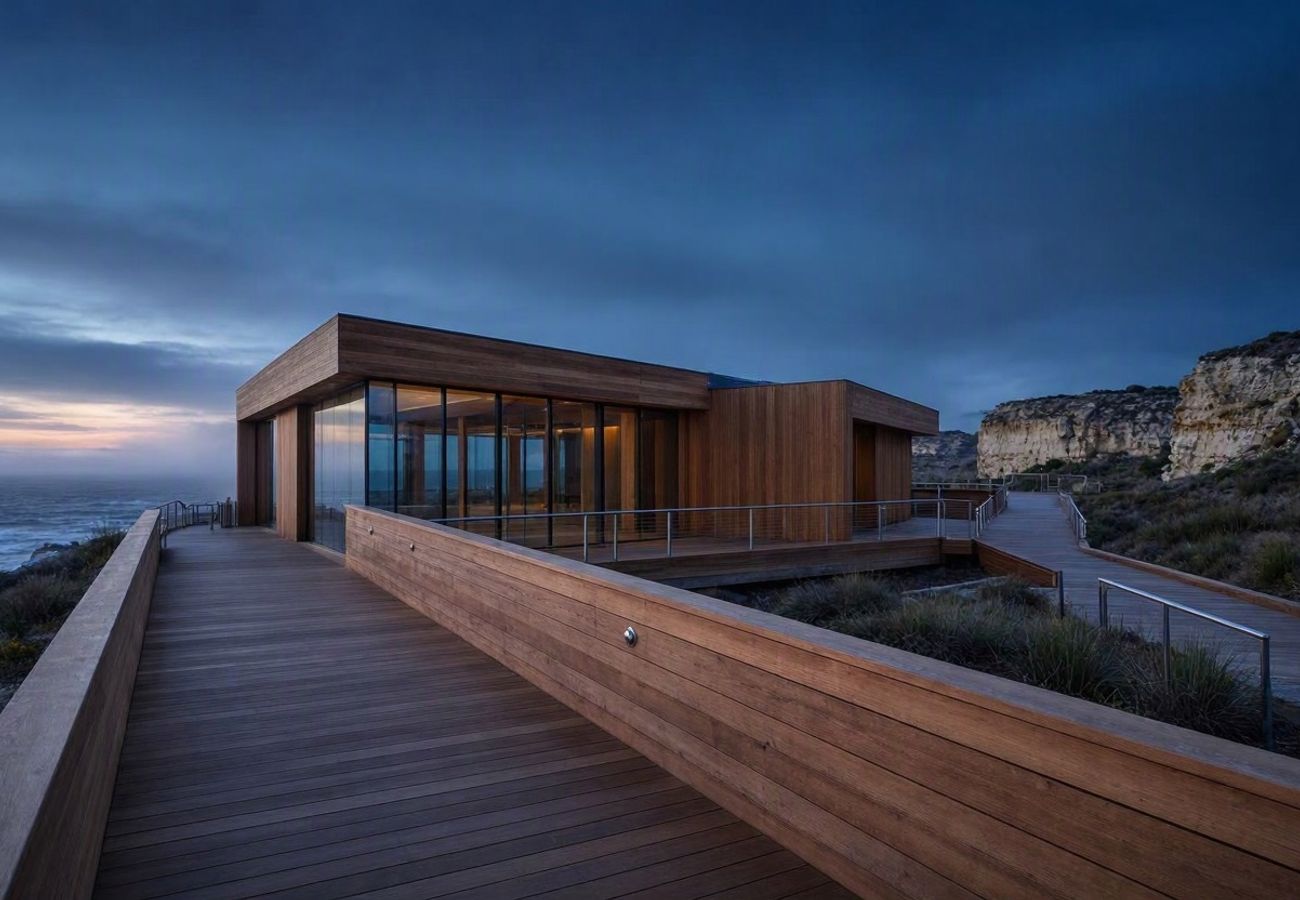
Image generated by AI
The transition from a rapid-stop viewpoint to a managed cultural precinct is now a reality, as the Twelve Apostles experience shifts from a brief photography window to a structured two-kilometre return journey. This movement reflects a broader global trend in high-traffic nature tourism: moving visitors away from "snapshot" tourism toward "interpretive" tourism, where the journey to the landmark is as regulated as the destination itself.
The Infrastructure Shift in Numbers
Starting 16 October 2026, the visitor experience at one of Australia's most iconic coastlines will be governed by the new Keerray Woorroong Visitor Centre. This is not a minor renovation but a massive infrastructure deployment. The Great Ocean Road Coast and Parks Authority (GORCAPA) has invested A$126 million into this redevelopment, creating a 3,300-square-metre facility designed to throttle and manage visitor flow.
The data indicates a significant increase in the physical requirement for visitors. Previously, the Twelve Apostles was often treated as a quick stop on a Melbourne-based day tour. Now, the return walk from the visitor centre to the viewing decks is approximately two kilometres. When combined with the suggested one to two hours for exploration and interpretation, the time commitment per visitor has effectively tripled compared to the previous "park-and-view" model.
Comparative Access and Capacity Benchmarks
The 2026 expansion builds upon the groundwork laid in June 2024, when Parks Victoria completed the initial lookout upgrades. While the 2024 phase focused on wide paths and basic accessible viewing, the 2026 phase introduces specialized medical and sensory infrastructure.
The project's scale is further evidenced by the labor data: over 750 personnel, including more than 50 apprentices, were employed during the construction phase as reported by the Victorian Premier's office. This represents a strategic move to integrate local employment with tourism growth.
| Metric | Pre-October 2026 Model | Post-October 2026 Model | Shift Impact |
|---|---|---|---|
| Primary Access | Direct Viewpoint Access | Keerray Woorroong Visitor Centre | Managed Entry |
| Walking Distance | Minimal/Variable | ~2km Return Walk | Increased Physicality |
| Facility Scope | Standard Toilets/Paths | Sensory Rooms & Changing Places | High-Need Accessibility |
| Visitor Intent | Photography/Sightseeing | Cultural Interpretation/Ecology | Educational Shift |
| Investment | Incremental Upgrades | A$126 Million Precinct | Institutional Scale |
What This Means for Travelers
The data suggests that the "spontaneous stop" is effectively over. For those planning a trip to the Shipwreck Coast in Q4 2026, the following logistics are now mandatory:
- Advance Booking: Reservations are now required before arrival. You can no longer simply drive up and expect immediate access to the precinct.
- Time Allocation: If you are booking a tour from Melbourne, you must verify the itinerary. A standard 2-hour stop is no longer sufficient. Ensure your operator has allocated at least 3-4 hours to account for the two-kilometre walk and the 3,300-square-metre centre.
- Mobility Planning: While the World Tourism Organization (UNWTO) promotes universal accessibility, the "accessible" label here is specific. The inclusion of "Changing Places" facilities and sensory rooms means travelers with high-support needs have better infrastructure, but the two-kilometre distance remains a factor. Contact the centre in advance to coordinate mobility assistance.
- Gear Requirements: The shift to a walking-heavy experience means footwear and sun protection are no longer optional suggestions but necessities for a manageable visit.
The Trajectory of Cultural Tourism
The integration of Eastern Maar Traditional Owner perspectives into the visitor centre marks a pivot toward "Slow Tourism." By forcing a two-kilometre walk through native gardens and interactive exhibits on maritime shipwrecks and ecology, the destination is attempting to increase the "per-visitor value" of the experience.
This trajectory suggests that other high-traffic Australian landmarks may follow suit, replacing open-access parking lots with centralized visitor hubs that mandate a physical and educational journey before the final reveal of the landmark. The success of this model will be measured not by the number of visitors, but by the increase in average dwell time and regional overnight stays.
FAQ: Twelve Apostles Access 2026
Is the two-kilometre walk mandatory for everyone? Yes, the return journey from the new Keerray Woorroong Visitor Centre to the viewing platforms is approximately two kilometres. While accessible pathways are provided, the distance is a fixed part of the new visitor flow.
Do I need a ticket to visit the Twelve Apostles? Yes. Official guidance now requires advance booking for the experience starting 16 October 2026.
What makes the new facilities "accessible" beyond wheelchairs? The precinct now includes sensory rooms for neurodivergent visitors, "Changing Places" facilities for those requiring specialized assistance, and dedicated family change rooms.
How much extra time should I add to my itinerary? It is recommended to allow one to two hours for the visitor centre and interpretation, in addition to the time required for the two-kilometre walk and viewing.
The era of the quick photo-op has ended; the era of the managed journey has begun.
Related Travel Guides
Disclaimer
This article is for informational and educational purposes only. It does not constitute legal, financial, or professional advice. While we strive to provide accurate and up-to-date information, travel policies, regulations, and conditions change rapidly. Always verify information with official sources before making travel decisions. Nomad Lawyer makes no representations about the accuracy, reliability, completeness, or suitability of the information provided. Readers should consult qualified professionals for advice specific to their circumstances. The views expressed in this article are those of the author and do not necessarily reflect the views of Nomad Lawyer.
Kunal K Choudhary
Co-Founder & Contributor
A passionate traveller and tech enthusiast. Kunal contributes to the vision and growth of Nomad Lawyer, bringing fresh perspectives and driving the community forward.
Learn more about our team →