Turkish Authorities Ban Virgin Voyages Scarlet Lady Cruise Over Passenger Demographics in 2026


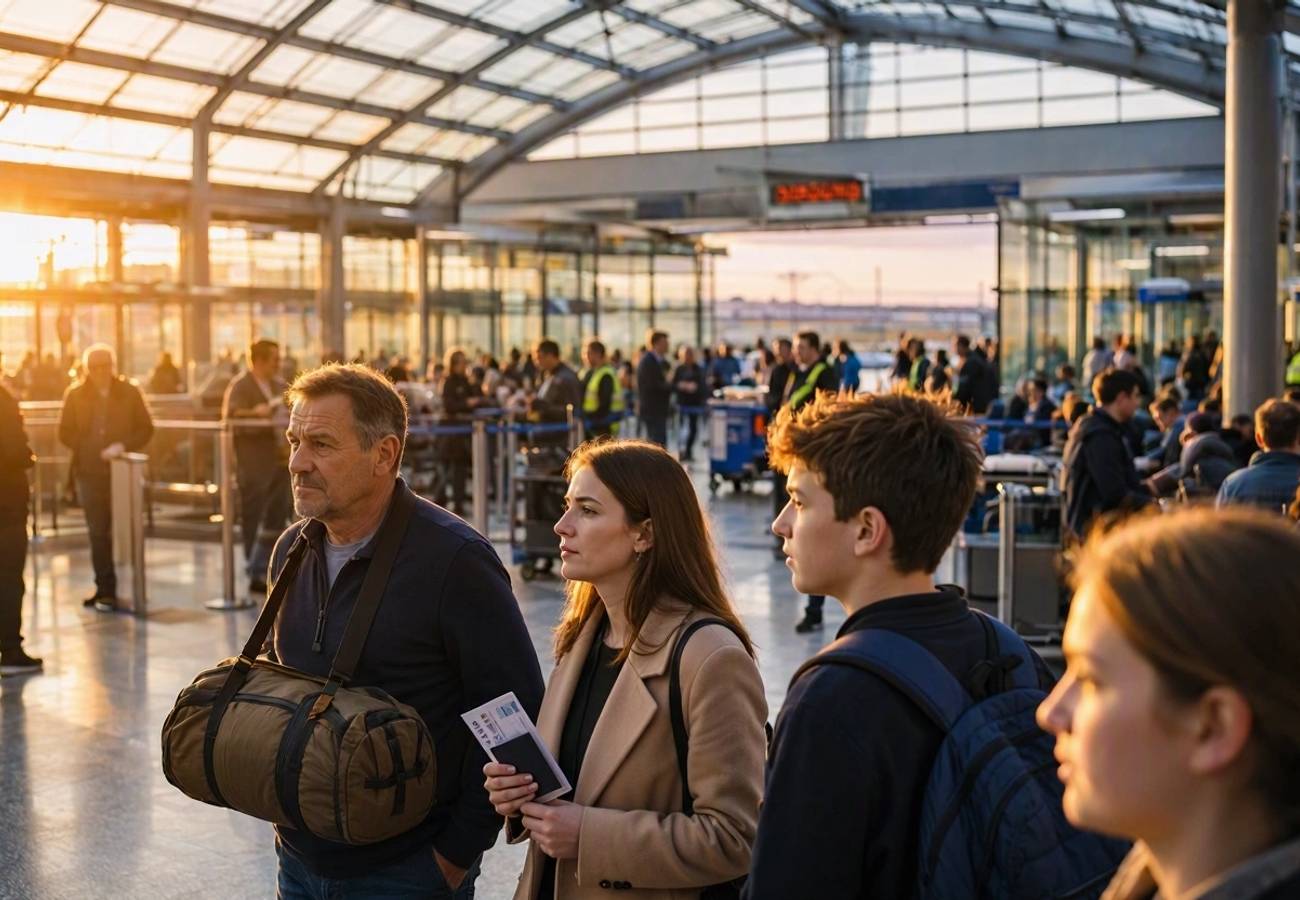
Image generated by AI
Turkish authorities have revoked docking permissions for the Virgin Voyages vessel Scarlet Lady, citing a misalignment between passenger demographics and local "family values."
The decision, enacted by the provincial administration of Aydın and municipal leaders in Istanbul, effectively blocked approximately 1,900 international travelers from entering the country during a ten-night Mediterranean voyage. The vessel, chartered by California-based Atlantis Events, was forced to bypass its scheduled stops in Kuşadası and Istanbul.
Regional government channels in western Turkey stated the ban was based on the public profiles of the chartering organizations. Officials claimed the passenger demographics were inconsistent with the traditional fabric and moral standards of local society.
Operational Impact and Itinerary Diversions
The sudden block forced an immediate logistical pivot for the 1,900 guests, which included over 1,100 U.S. citizens, alongside travelers from Canada, Australia, and the UK. To mitigate the disruption, organizers redirected the ship to Alexandria, Egypt, and the Greek island of Crete.
Broadway performer Patti LuPone, appearing on the cruise, publicly criticized the move, citing the injustice of denying entry based on passenger identity.
Key Voyage Data
- Vessel: Scarlet Lady (Virgin Voyages)
- Charter Operator: Atlantis Events
- Total Passengers Affected: ~1,900
- Primary Nationalities: USA (1,100+), UK, Canada, Australia
- Blocked Ports: Kuşadası and Istanbul, Türkiye
- Emergency Diversions: Alexandria, Egypt; Crete, Greece
- Estimated Economic Loss: Over $1,000,000 in lost local spending
Maritime and Economic Implications
Industry observers note that this event represents a sharp departure from established maritime norms in the region. Atlantis Events has operated charter groups into Turkish ports for nearly four decades without prior incident.
Rich Campbell, CEO of Atlantis Events, described the decision as "stunning," emphasizing that the organization is non-political and focuses on supporting local economies. Market analysis suggests that the ban caused an immediate financial hit to the Turkish retail, transport, and dining sectors, estimated at over one million dollars in lost direct expenditures.
Risk Mitigation for Mediterranean Travelers
Maritime legal experts recommend the following protocols for those booking high-end charters in geopolitically sensitive regions:
- Consular Monitoring: Regularly check U.S. Embassy and Consulates in Türkiye updates for sudden policy shifts.
- Contractual Safeguards: Ensure booking documentation contains explicit clauses for "administrative route deviations" and comprehensive trip interruptions.
- Refund Flexibility: Prioritize land-based excursion operators that offer immediate, transparent refunds for unforeseen cancellations.
- Visa Readiness: Maintain active communication with ship concierges regarding rapid visa requirements for emergency diversion ports.
The freedom of global movement remains contingent on the volatility of regional administrative policies.
Related Travel Guides
This article is for informational purposes. Flight routes, passenger regulations, visa rules, and transit advisories are subject to change by airlines and aviation authorities. Readers are advised to verify schedules and travel documentation with relevant carriers and border agencies before departure.
Related Stories
European Mass Protests Disrupt Travel Across France, Italy, Belgium, and Turkey in 2026
Aeroméxico and Delta Expand US Network with 42 Weekly Flights to California, Florida and Oregon in 2027