
Travel Tourism Thailand: Southeast Asia Braces for Aviation Disruption Amid Geopolitical Tensions
Thailand, Malaysia, and Singapore face potential tourism slowdown as global aviation grapples with geopolitical tensions in 2026. Major airlines reroute flights and adjust schedules. Travelers should monitor route changes and verify bookings.

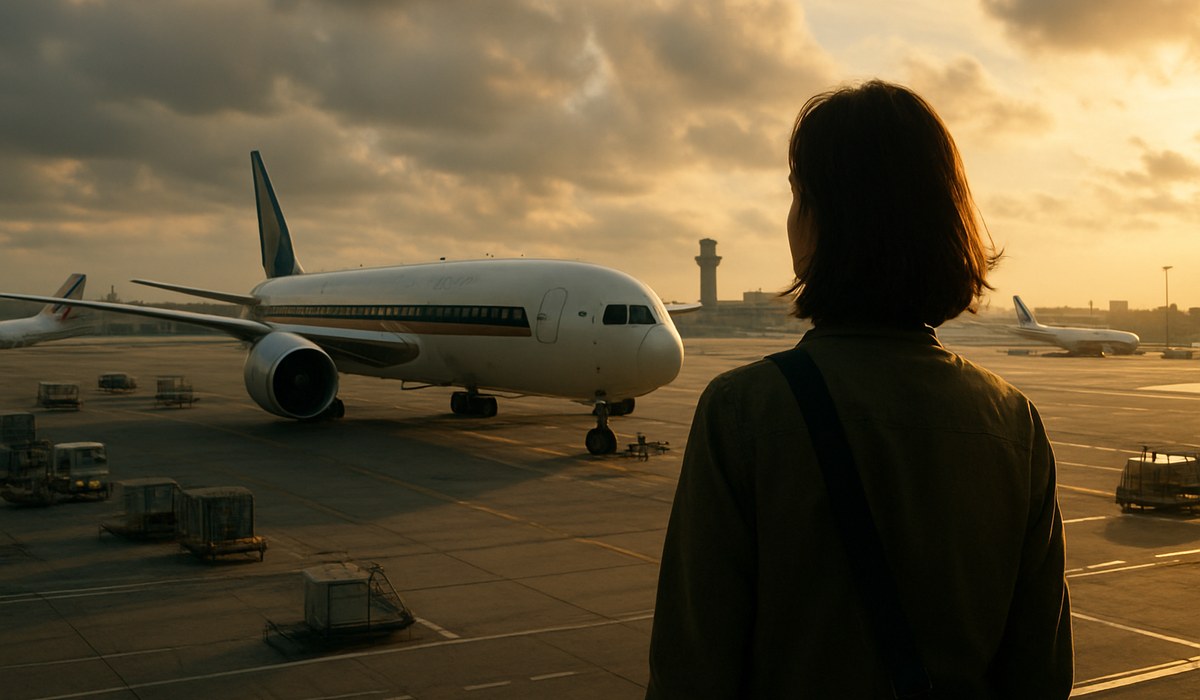
Image generated by AI
Geopolitical Tensions Trigger Aviation Uncertainty Across Southeast Asia
Thailand, Malaysia, and Singapore are preparing for significant tourism disruptions as geopolitical tensions reshape global aviation networks during March 2026. Major international carriers have begun rerouting flights away from contested airspace and adjusting schedules to prioritize passenger safety. The cascading effects threaten to reduce visitor arrivals across Southeast Asia's three economic powerhouses, creating uncertainty for hospitality operators and tour operators who depend on consistent flight connectivity.
Regional aviation authorities have activated contingency protocols. Airlines serving Bangkok's Suvarnabhumi Airport (BKK), Kuala Lumpur International Airport (KUL), and Singapore Changi Airport (SIN) face pressure to maintain schedules while adhering to new airspace restrictions. Travel experts warn that booking patterns and airfare pricing will shift dramatically over the coming weeks.
Major Airlines Implement Route Restructuring Across Southeast Asia
International carriers operating in the region have announced significant schedule modifications. Thai Airways International, Malaysia Airlines, Singapore Airlines, and regional partners including AirAsia have all issued operational adjustments to address airspace constraints. Airlines report that indirect routing adds 2-4 hours to typical flight times, reducing daily flight capacity into major hubs.
Carriers have prioritized maintaining service to travel tourism Thailand destinations while consolidating less-trafficked routes. Airlines are expanding codeshare agreements and increasing seat availability on alternative routes through Southeast Asia. IATA (International Air Transport Association) confirmed that major airlines have coordinated responses to minimize passenger disruptions. However, capacity constraints mean some flights face full bookings weeks in advance.
Bangkok, Kuala Lumpur, and Singapore Airports Adjust Operations
Bangkok's Suvarnabhumi Airport (BKK), Thailand's primary international gateway, has activated expanded terminal capacity to handle increased passenger volumes on rerouted flights. Airport authorities expect peak congestion during evening departure windows when aircraft reroute through alternative corridors. Passengers should plan for 3-4 hour airport arrival windows.
Kuala Lumpur International Airport (KUL) and Singapore Changi Airport (SIN) have implemented similar operational upgrades. All three airports have increased ground crew staffing and expanded baggage handling to prevent secondary delays. Aviation officials predict passenger throughput will increase 15-25% during peak travel hours, though overall flight frequency may decline.
Affected Airlines and Route Changes: Current Status
Carriers experiencing the most significant schedule adjustments include Thai Airways International, Malaysia Airlines, Singapore Airlines, Cathay Pacific, and international operators including United Airlines, American Airlines, and Emirates. Each airline has published specific route modifications on their websites and booking platforms.
For real-time flight status updates, travelers should visit FlightAware, which tracks all commercial operations affected by the geopolitical tensions. Airlines have activated dedicated customer service teams to assist rebooking requests. Most carriers are waiving change fees for affected flights through April 2026.
| Airport | IATA Code | Region | Passenger Impact (Est.) | New Restrictions | Status |
|---|---|---|---|---|---|
| Suvarnabhumi | BKK | Thailand | +18% peak hours | Upper airspace corridors | Active |
| Kuala Lumpur | KUL | Malaysia | +22% peak hours | Expanded rerouting zones | Active |
| Singapore Changi | SIN | Singapore | +15% peak hours | Direct routing limited | Active |
| Don Mueang | DMK | Thailand | +12% secondary hub | Regional flights prioritized | Active |
| Penang | PEN | Malaysia | +8% minor impact | Limited international service | Active |
| Phuket | HKT | Thailand | +10% tourism traffic | Afternoon/evening constraints | Active |
Traveler Action Checklist
-
Check your airline's website immediately for official route changes and schedule modifications affecting your booking.
-
Verify flight status 72 hours before departure using FlightAware or your airline's app.
-
Arrive at the airport 4 hours early for international flights originating from BKK, KUL, or SIN due to increased passenger volume.
-
Contact your airline if booked through March 2026 to confirm your route hasn't been rerouted through unexpected airports.
-
Request rebooking immediately if your flight is cancelled, as alternative flights fill rapidly during this period.
-
Document all flight changes with confirmation numbers for potential reimbursement claims under US DOT consumer protection rules.
-
Purchase travel insurance with geopolitical exclusion coverage if booking new travel tourism Thailand trips.
-
Monitor airline email alerts for fare refund offers or travel credits being offered to affected passengers.
What This Means for Your Travel Plans
Travelers heading to Thailand, Malaysia, or Singapore should expect longer flight times, higher airfares, and reduced flight availability through April 2026. Direct flights that previously connected these nations efficiently may now route through secondary hubs, adding significant travel time.
Booking flexibility becomes essential. Travelers should avoid non-refundable fares and consider purchasing comprehensive travel insurance. Most airlines have temporarily relaxed change penalties, but this policy expires as the situation stabilizes. Tour operators report that group travel bookings to travel tourism Thailand destinations face 2-3 week delays in confirmation due to flight uncertainty.
For travelers already booked, airlines recommend confirming flights 48 hours before departure rather than the typical 24-hour standard. Passengers should also contact their accommodations to confirm arrival flexibility, as delayed flights may alter check-in times significantly.
Frequently Asked Questions
How will geopolitical tensions affect travel tourism Thailand flight bookings in March 2026? Airfares to Bangkok and Phuket have increased 12-18% compared to February averages. Airlines have reduced available seats on direct routes, creating higher demand and prices. Travelers should book immediately if planning April trips, as May fares are expected to increase further due to extended supply constraints.
Which airlines service travel tourism Thailand routes and remain operational? Thai Airways International, Bangkok Airways, Thai Smile, Singapore Airlines, Malaysia Airlines, AirAsia, and Nok Air continue full operations with modified schedules. International carriers including United, American, Cathay Pacific, and Emirates maintain service to Bangkok, though with rerouted flight paths and extended flight times.
What passenger rights apply to flights affected by these geopolitical tensions? Under IATA regulations and airline-specific policies, passengers qualify for rebooking on alternative flights, meal vouchers during extended delays, and accommodation for overnight layovers. Review your airline's specific policy on their website or contact customer service. U.S.-based carriers must comply with DOT consumer protection standards.
Will travel tourism Thailand tourism recover quickly once tensions subside? Industry analysts predict gradual recovery over 6-8 weeks once airspace reopens. Hotels and attractions expect reduced occupancy through May 2026, with recovery accelerating in June as flight schedules normalize and airfares decline to pre-tension levels.
Related Travel Guides
Thailand Travel Guide: Essential Tips for First-Time Visitors 2026
Malaysia Airlines Route Network and Best Booking Strategies
Singapore to Bangkok: Flight Options and Transportation Alternatives
Southeast Asia Travel Insurance: Geopolitical Tension Coverage Explained
Disclaimer
Disclaimer
This article is for informational and educational purposes only. It does not constitute legal, financial, or professional advice. While we strive to provide accurate and up-to-date information, travel policies, regulations, and conditions change rapidly. Always verify information with official sources before making travel decisions. Nomad Lawyer makes no representations about the accuracy, reliability, completeness, or suitability of the information provided. Readers should consult qualified professionals for advice specific to their circumstances. The views expressed in this article are those of the author and do not necessarily reflect the views of Nomad Lawyer.
Kunal K Choudhary
Co-Founder & Contributor
A passionate traveller and tech enthusiast. Kunal contributes to the vision and growth of Nomad Lawyer, bringing fresh perspectives and driving the community forward.
Learn more about our team →