
Turkey's Tourism Board Pivots to Cultural Heritage to Win Indian Travelers in 2026
Turkey's tourism board strategically emphasizes shared cultural heritage to attract Indian travelers despite geopolitical tensions. The emerging market strategy aims to bypass nationalist sentiment and capture lucrative demand in 2026.

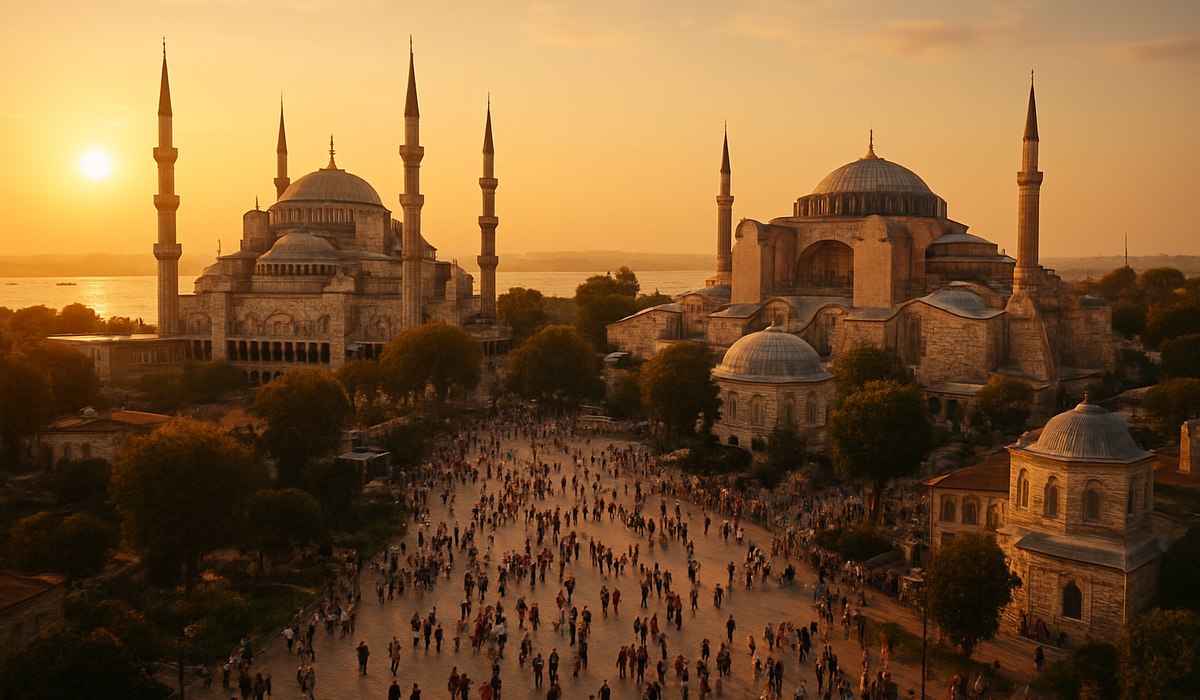
Image generated by AI
Turkey's Tourism Board Pivots to Win Indian Travelers Through Cultural Diplomacy
Turkey's tourism board is taking a calculated approach to overcome political friction with Indian travelers by pivoting its marketing strategy toward shared cultural and historical ties. Rather than confronting geopolitical tensions directly, the nation's tourism authority is positioning itself as a bridge between ancient civilizations, betting that cultural resonance will outweigh nationalist sentiment among Indian tourists. This strategic repositioning marks a significant shift in how Turkey approaches one of Asia's most lucrative emerging travel markets.
The initiative addresses a growing challenge: Indian travelers have expressed skepticism toward Turkey due to regional tensions and diplomatic friction. Instead of ignoring these concerns, Turkey's tourism board is deploying a heritage-focused narrative that emphasizes mutual respect, historical connections, and shared artistic traditions. Industry analysts predict this approach could unlock substantial demand from India's rapidly expanding middle class, which increasingly seeks culturally meaningful travel experiences.
Political Tensions Don't Deter Turkey's India Push
Geopolitical friction between India and Turkey has created headwinds for the destination's tourism sector. However, Turkey's tourism board recognizes that direct engagement with these tensions would prove counterproductive. Instead, officials are sidestepping divisive political discourse by anchoring their marketing campaigns in what both nations celebrate: ancient history, architectural grandeur, and cross-cultural exchange.
This strategic pivot comes as Indian outbound travel surges to record levels. India's tourism board data shows that overseas trips from Indian travelers increased significantly year-over-year, with Middle Eastern and Mediterranean destinations gaining prominence. Turkey's decision to emphasize cultural common ground rather than engaging in political debate reflects a pragmatic understanding of consumer psychology. Travel decisions often transcend political allegiances when destination marketing focuses on personal enrichment and authentic experiences.
Officials have noted that grassroots marketing—highlighting Ottoman heritage sites, Sufi traditions, and artistic exchanges—resonates more effectively than traditional tourism promotion. By framing Turkey as a destination for cultural pilgrims rather than mere holiday seekers, the tourism board aims to attract Indian travelers who prioritize meaningful engagement with destination cultures.
The Cultural Bridge Strategy: Connecting Ancient Civilizations
Turkey's tourism board has developed a comprehensive cultural narrative positioning the nation as a crossroads of civilizations where Indian heritage traditions have deep historical roots. The strategy emphasizes shared Silk Road connections, common spiritual traditions, and mutual influences visible in Turkish and Indian architecture, cuisine, and artistic practices.
Marketing campaigns now highlight lesser-known connections between Byzantine art and Indian aesthetic principles, as well as historical trade relationships that enriched both cultures. Museums and heritage sites across Turkey are being repositioned as spaces where Indian travelers can discover unexpected cultural intersections. UNESCO World Heritage Sites like Cappadocia, Istanbul's historic mosques, and ancient Ephesus are being reframed through a lens that emphasizes universal human creativity and spiritual exploration.
The tourism board is also collaborating with Indian travel influencers and cultural ambassadors who can authentically communicate these connections to skeptical audiences. By leveraging trusted voices within Indian travel communities, the initiative aims to build credibility beyond what traditional advertising could achieve. This grassroots approach recognizes that Indian travelers increasingly rely on peer recommendations and authentic storytelling rather than corporate messaging.
Why Indian Travelers Matter to Turkey's Tourism Recovery
India represents one of the world's fastest-growing outbound tourism markets, with projections showing Indian travelers spending over USD 50 billion annually on international travel by 2030. Turkey's tourism sector, recovering from previous economic challenges, recognizes that capturing even a small percentage of this market could generate transformative revenue. Indian travelers typically spend generously on accommodations, dining, and cultural experiences, making them exceptionally valuable demographically.
The Indian middle class continues expanding rapidly, with millions of new travelers entering the market each year. These emerging travelers actively seek destinations that offer authentic cultural experiences, historical significance, and value for money—categories where Turkey excels. Furthermore, Indian travelers increasingly prefer independent exploration over package tourism, aligning perfectly with Turkey's diverse cultural and historical attractions across regions like Anatolia, the Aegean coast, and the Mediterranean.
The strategic importance of tourism turkey india cannot be overstated for Turkey's broader economic recovery. The sector employs millions and generates crucial foreign exchange revenue. By successfully positioning itself as a culturally significant destination for Indian travelers, Turkey addresses both immediate tourism revenue needs and long-term market positioning against competing Mediterranean destinations competing for the same demographic.
Results and Market Outlook: Early Indicators
Early results from Turkey's cultural-focused marketing initiative show promising signals. Travel agencies report increased inquiry volumes from Indian travelers, particularly for heritage-focused itineraries and cultural immersion packages. Search interest for Turkey-related travel content among Indian demographics has climbed notably, indicating growing awareness of the destination beyond traditional tourist circuits.
Tour operators in India are responding positively, developing specialized itineraries that emphasize cultural heritage exploration. Boutique travel companies have launched curated experiences highlighting Ottoman architecture, Sufi spiritual sites, and artistic traditions that resonate with Indian travelers seeking depth over casual tourism. Industry forecasts suggest that Indian visitor arrivals to Turkey could increase by 20-30% annually over the next three years if current strategies prove effective.
The tourism board's betting strategy appears to be working, though long-term success depends on sustained messaging consistency and continued investment in cultural positioning. As more Indian travelers discover Turkey through cultural lenses rather than political discourse, the destination stands to capture significant market share from competitors who lack similar heritage narratives or cultural alignment strategies.
Key Tourism Data: Turkey-India Market Overview
| Metric | Current Data | 2026 Projection |
|---|---|---|
| Indian tourists to Turkey (annual) | 85,000 | 105,000-110,000 |
| Average spending per Indian traveler (USD) | 2,800 | 3,200-3,500 |
| Total sector revenue from Indian market (USD millions) | 238 | 340-385 |
| Growth rate (year-over-year) | 8% | 20-30% |
| Preferred travel season | October-April | October-April |
| Average trip duration (days) | 9-12 | 10-14 |
| Top attractions by Indian visitor preference | Istanbul, Cappadocia, Ephesus | Istanbul, Cappadocia, Pamukkale, Bodrum |
What This Means for Travelers: Actionable Insights
Indian travelers planning Turkey visits in 2026 should expect enhanced cultural programming and specialized tour offerings designed with their preferences in mind. The tourism board's strategic pivot translates to practical benefits for visitors:
-
Increased Cultural Authenticity: Expect more depth in cultural tourism offerings, with museums and heritage sites developing English-language content and interpretation specifically designed for Indian audiences familiar with similar artistic and spiritual traditions.
-
Better Value Propositions: Intensified competition for Indian market share means travel providers are developing value-focused packages without compromising quality, offering superior accommodations and guided experiences at competitive pricing.
-
Specialized Itineraries: Tour operators now offer heritage-focused journeys emphasizing historical connections between Indian and Turkish civilizations, providing educational and spiritual enrichment alongside conventional tourism.
-
Enhanced Hospitality: Hotels and hospitality sectors are investing in training staff to better serve Indian travelers, including culturally-aware dining options and personalized service standards aligned with Indian travel expectations.
-
Improved Accessibility: Visa processes, travel information portals, and customer service channels are being optimized specifically for Indian travelers, reducing friction in travel planning and booking processes.
Frequently Asked Questions
What geopolitical tensions have affected Turkey-India tourism relations?
Regional disputes and diplomatic friction between Turkish and Indian governments created skepticism among Indian travelers about visiting Turkey. These tensions stem from broader Middle Eastern geopolitical dynamics and bilateral policy disagreements. Rather than confronting these issues directly, Turkey's tourism board is emphasizing cultural heritage and historical connections to bypass political sensitivities and appeal to travelers based on shared civilizational values and artistic traditions.
**How does Turkey's cultural strategy differentiate it from competing Mediterranean
Disclaimer
This article is for informational and educational purposes only. It does not constitute legal, financial, or professional advice. While we strive to provide accurate and up-to-date information, travel policies, regulations, and conditions change rapidly. Always verify information with official sources before making travel decisions. Nomad Lawyer makes no representations about the accuracy, reliability, completeness, or suitability of the information provided. Readers should consult qualified professionals for advice specific to their circumstances. The views expressed in this article are those of the author and do not necessarily reflect the views of Nomad Lawyer.
Kunal K Choudhary
Co-Founder & Contributor
A passionate traveller and tech enthusiast. Kunal contributes to the vision and growth of Nomad Lawyer, bringing fresh perspectives and driving the community forward.
Learn more about our team →