
Tunisia Tourism 2026: France, Germany, and UK Drive Growth as Revenue Hits TND 6.37 Billion
Tunisia is redefining its Mediterranean appeal in 2026, leveraging expanded air links from Europe and a surge in Algerian visitors to increase tourism revenue despite fluctuating arrival numbers.

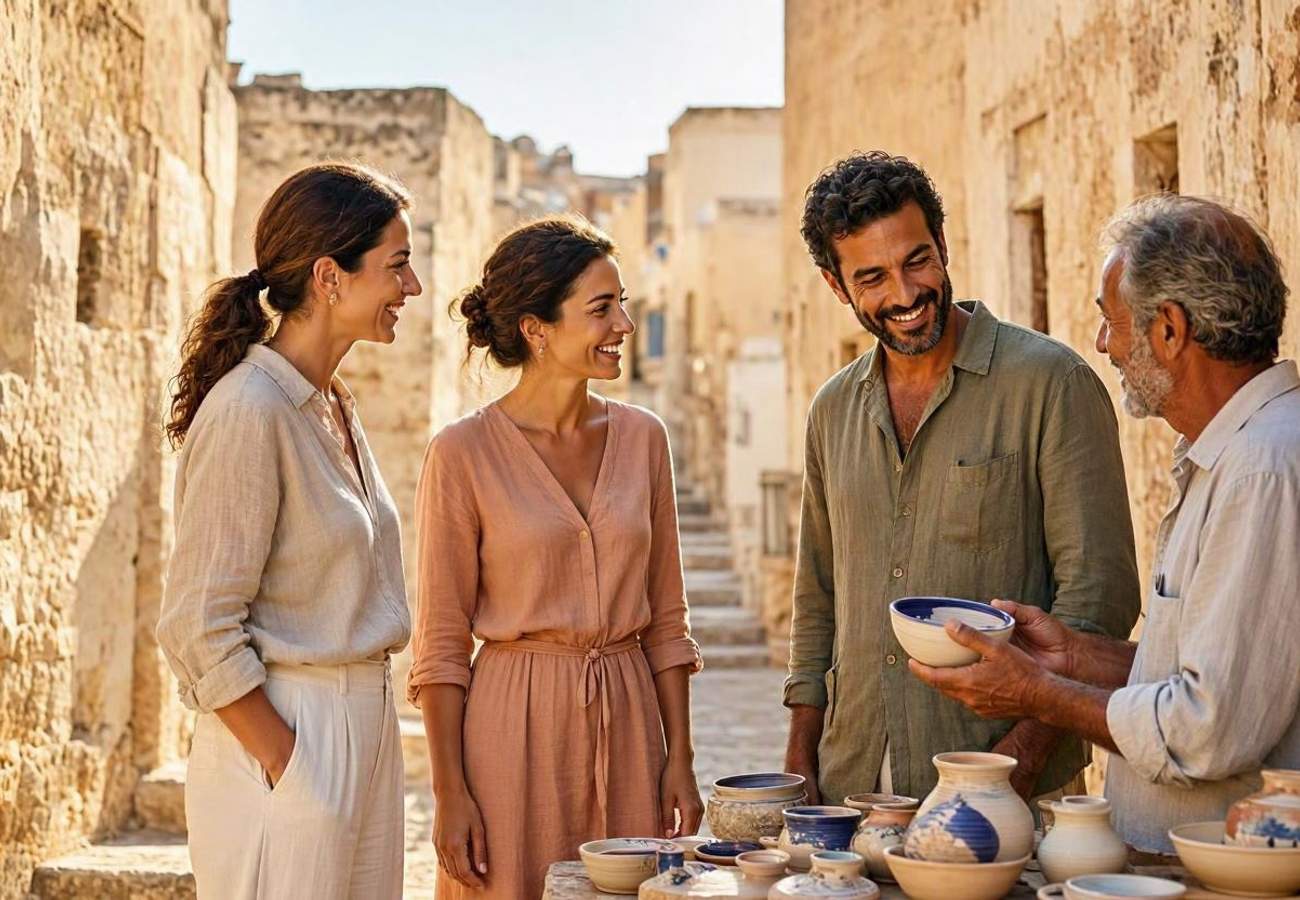
Image generated by AI
While total visitor numbers dipped slightly by August 2026, Tunisia has managed to increase its actual earnings, proving that the country is attracting higher-spending travelers rather than just chasing volume. This strategic shift is evident in the financial data: by the end of September 2026, tourism receipts reached TND 6.37 billion, a 4.5% increase over the previous year.
The Shift Toward High-Value Mediterranean Travel
Tunisia is currently navigating a complex recovery. The 2026 data reveals a destination that is no longer solely dependent on a few traditional markets but is instead diversifying its visitor base to hedge against regional instability. While the Middle East and North Africa (MENA) region has faced aviation uncertainty and disruption, Tunisia has emerged as a stable, cost-effective alternative for those seeking Mediterranean warmth without the premium price tags of Southern Europe.
The growth is not uniform across all borders. While the country saw a surge in March, the cumulative visitor count by the end of August sat at approximately 7.1 million, which was 0.2% lower than the 2025 figures. However, the economic narrative is positive. The rise in revenue—hitting TND 3.35 billion by June and climbing to TND 5.52 billion by August—suggests a transition toward quality over quantity.
Market Breakdown: Who is Visiting Tunisia in 2026?
The current tourism surge is powered by a mix of long-haul recovery and regional dominance. France remains the anchor of the European market, but the United Kingdom and Germany are providing new momentum.
European and North American Arrivals (H1 2026)
| Market | Visitors (First Half 2026) | Growth Rate | Key Driver |
|---|---|---|---|
| France | 518,113 | 2.5% | Increased airline capacity |
| United Kingdom | 217,354 | 8.6% | Affordable all-inclusive packages |
| Germany | 120,949 | 6.6% | Competitive resort pricing |
| Italy | 67,141 | 2.7% | Cultural heritage interest |
| Portugal | 19,681 | 5.5% | Diversification of source markets |
| Spain | 18,600 (by July) | 6.0% | New investment discussions |
| Canada | N/A (by July) | 10.2% | Expanded passenger-flight rights |
The expansion of air rights is particularly noteworthy for North American travelers. Canada and Tunisia have updated their framework to allow up to seven weekly passenger services from each country, making the North African coast more accessible than ever.
The Maghreb Engine and Russian Recovery
While Europeans bring the currency, neighbors bring the volume. Algeria has become a massive growth engine, contributing approximately 1.4 million visitors in the first half of 2026—an increase of over 11%. When combined with other Maghreb nations, the region provided 2.44 million visitors, accounting for more than half of all non-resident entries. This highlights the importance of land connectivity and the African Union's broader goals of regional integration.
Simultaneously, Russia is making a calculated return. By July 2026, Russian arrivals rose by 20%, fueled by the restoration of charter flights to hubs like Monastir, Sousse, and Hammamet. These cities are the heart of Tunisia's resort economy and have benefited directly from the return of Eastern European charter operations.
Visitor Insider Tips
To experience Tunisia beyond the all-inclusive resorts, you need to time your visits and choose your bases strategically.
- Timing the Trip: While summer is the peak, the expansion of winter capacity in 2026 makes November through February an ideal window for heritage sites like Carthage and El Jem without the heat or crowds.
- Base Yourself Wisely: For those seeking a mix of luxury and history, Hammamet offers the best beach infrastructure. However, for a local lens, stay in the Medina of Tunis to experience the authentic rhythms of the capital.
- Transport Hacks: While flights to Tunis-Carthage are common, check for charters into Monastir or Enfidha airports if you are heading straight to the coastal resorts; it often saves hours of transit.
- Local Etiquette: When visiting the souks, bargaining is expected but should be done with a smile. A small gesture of patience goes a long way in securing a fair price for artisanal ceramics or leather goods.
- Must-Try Specialty: Move beyond the hotel buffet and seek out Brik (a savory deep-fried pastry with an egg) at a local street vendor.
Cultural and Environmental Context
The surge in tourism, particularly from the Maghreb and Europe, places a significant strain on Tunisia's coastal ecosystems. The reliance on "all-inclusive" models in Sousse and Hammamet often creates an economic bubble where tourism revenue stays within large hotel chains rather than trickling down to local artisans.
However, the 2026 trend toward "cultural experiences" mentioned by German and UK travelers suggests a shift. There is a growing movement to preserve the UNESCO World Heritage sites across the country, ensuring that the influx of visitors supports the restoration of ancient ruins rather than just the expansion of concrete resorts. The challenge for 2026 and beyond is balancing the high volume of Algerian land-crossers with the infrastructure limits of border towns.
FAQ: Visiting Tunisia 2026
What is the best time to visit Tunisia? Spring (March to May) and Autumn (September to November) offer the best balance of mild weather and lower crowds. March 2026 specifically saw a surge in international arrivals.
Do I need a visa for Tunisia? Visa requirements vary by nationality. Citizens of the EU, USA, and Canada typically do not need a visa for short tourist stays, but always check the official Tunisian Ministry of Interior guidelines before booking.
How do I get there from Europe? France remains the primary hub with the most connectivity. However, the UK and Germany have significantly increased their flight capacities in 2026, offering more direct routes to beach resorts.
Is Tunisia safe for solo travelers? Yes, Tunisia is generally safe. Stick to established tourist zones and use registered taxis. The 2026 trends show a renewed confidence in the country as a mainstream Mediterranean destination.
Tunisia is no longer just a budget alternative—it is a diversified destination where ancient history meets modern Mediterranean luxury.
Related Travel Guides
Disclaimer
This article is for informational and educational purposes only. It does not constitute legal, financial, or professional advice. While we strive to provide accurate and up-to-date information, travel policies, regulations, and conditions change rapidly. Always verify information with official sources before making travel decisions. Nomad Lawyer makes no representations about the accuracy, reliability, completeness, or suitability of the information provided. Readers should consult qualified professionals for advice specific to their circumstances. The views expressed in this article are those of the author and do not necessarily reflect the views of Nomad Lawyer.
Raushan Kumar
Founder & Lead Developer
Full-stack developer with 11+ years of experience and a passionate traveller. Raushan built Nomad Lawyer from the ground up with a vision to create the best travel and law experience on the web.
Learn more about our team →