
Trump Proposes TSA Privatization After Airport Security Shutdowns
The Trump administration is exploring TSA privatization following government shutdowns that left security officers unpaid and created hours-long airport delays across the nation in 2026.

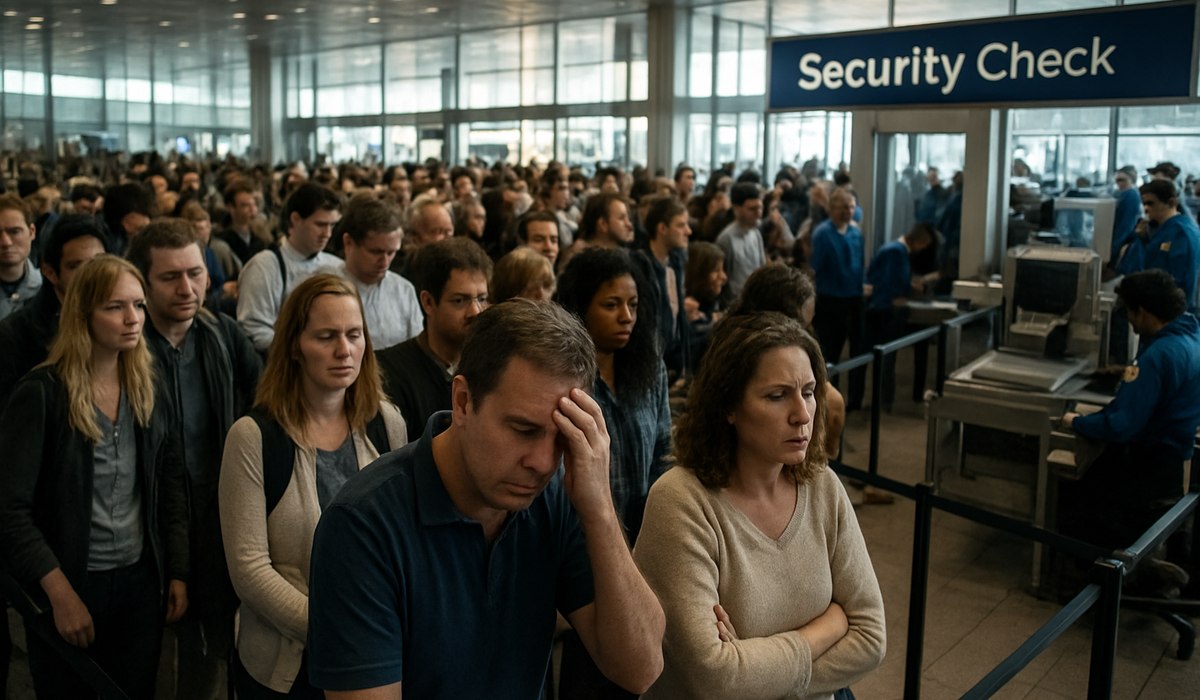
Image generated by AI
Government Shutdown Exposes Critical Security Vulnerabilities
The Trump administration is actively exploring privatization of the Transportation Security Administration following back-to-back government shutdowns that left security personnel without paychecks and paralyzed major U.S. airports with unprecedented wait times. During the most recent partial shutdown, TSA officers missed paychecks twice, forcing thousands to work without compensation while screening millions of passengers. The staffing crisis created security lines exceeding three hours at major hubs including Atlanta, Chicago, and Los Angeles, prompting serious discussions about restructuring the 60,000-member federal workforce that manages airport screening nationwide.
The prolonged delays raised national security concerns and sparked debate about the viability of government-operated screening programs. Airport operators, airlines, and passengers demanded solutions as the gridlock threatened economic stability and holiday travel schedules. Now, senior policy advisors within the administration argue that privatization could eliminate cyclical staffing shortages and improve operational resilience during federal funding disputes.
The Shutdown's Impact on Airport Security
Government funding lapses created an unprecedented perfect storm for American aviation. TSA officers, classified as essential personnel, continued working without pay during both shutdowns. This financial hardship triggered substantial call-outs, with some officers reporting sick while managing household crises. Screening wait times stretched to three-plus hours at major metropolitan airports, forcing passengers to arrive five hours before domestic flights—unprecedented in modern U.S. aviation history.
The FAA reported that security delays cascaded throughout the system, affecting flight operations and creating congestion in controlled airspace. Airlines like Delta, United, and American implemented boarding delays to accommodate checkpoint backlogs. Connecting passengers frequently missed flights. Small regional carriers lost revenue as passengers postponed travel entirely. According to industry data, the shutdown cost the economy an estimated $1.2 billion weekly in lost travel spending alone.
TSA leadership publicly warned that prolonged funding uncertainty threatened their ability to maintain security standards. The agency documented 47 instances of passengers bypassing checkpoints due to overwhelming congestion—a significant breach potential that heightened national security discussions.
Why Privatization Is Being Considered
Trump proposes privatization as a structural solution addressing cyclical shutdown vulnerabilities. Unlike federal employees, private contractors remain funded through long-term service agreements independent of annual appropriations cycles. Proponents argue that privatization would insulate security operations from political budgeting disputes that have disrupted travel for 20+ million passengers since 2019.
The administration's rationale centers on operational efficiency and financial predictability. Private security companies already manage screening at 24 U.S. airports under the TSA's Screening Partnership Program, employing 3,000+ workers. Data from these airports shows comparable security metrics with federal operations while maintaining operational continuity during government disruptions.
Policy architects suggest hybrid models where private contractors handle routine screening while federal personnel retained manage intelligence analysis and advanced threat detection. This approach could reduce federal payroll obligations while maintaining security oversight. However, labor unions representing TSA officers oppose privatization, citing job losses and potential security degradation.
Potential Benefits and Risks of TSA Privatization
Privatization advocates highlight operational advantages following this year's shutdown crisis. Private companies maintain continuous funding through contract agreements rather than annual Congressional appropriations. They typically implement advanced technology faster, reduce administrative overhead, and can flex staffing quickly. Some private security firms have demonstrated lower employee turnover and reduced sick leave usage compared to federal benchmarks.
Yet significant risks accompany privatization. Private contractors prioritize profit margins, potentially compromising security thoroughness. Cost-cutting measures could reduce passenger screening quality. Labor disputes with private firms might create different but equally disruptive operational interruptions. The federal government would lose direct control over security protocols. Cybersecurity risks emerge when private entities handle sensitive screening data and biometric systems. Insurance and liability questions remain unresolved—would the government remain ultimately responsible for security failures?
International models show mixed results. European airports using private security alongside government oversight maintain comparable safety records. However, the profit motive introduces perverse incentives when security budgets face pressure.
What This Means for Frequent Travelers
The privatization debate directly impacts how you navigate American airports. Extended wait times during future government disruptions remain possible while negotiations continue. Airlines are implementing flexible rebooking policies acknowledging potential security-related delays as an operational risk beyond their control.
The US DOT's Passenger Rights Division currently offers limited compensation for TSA-related delays, as government entities aren't subject to standard consumer protection rules. Privatization could alter this legal landscape—private companies may face damage liability that federal agencies currently avoid, potentially improving passenger recourse.
If privatization proceeds, screening technology might improve faster than federal budgets typically allow. Check-in processes, biometric verification, and mobile credential systems could accelerate at privatized locations. Alternatively, reduced oversight could create inconsistent security experiences across airports. Trusted Traveler programs like PreCheck and Global Entry might expand or consolidate under private management.
Traveler Action Checklist
-
Monitor TSA announcements via the TSA's official website for privatization timeline updates and any immediate policy changes affecting screening procedures.
-
Enroll in PreCheck or Global Entry if eligible—these expedited programs provide buffer protection against screening delays under any operational model.
-
Check real-time airport conditions using FlightAware before traveling to identify which airports experience TSA-related delays or staffing challenges.
-
Arrive earlier than standard recommendations (3 hours domestic, 4 hours international) until government funding stability improves and privatization decisions finalize.
-
Document excessive delays with timestamps and photos if experiencing three-plus hour waits—this data supports future consumer advocacy and DOT complaints.
-
Review airline change policies before booking, ensuring flexible rebooking options exist if government disruptions affect your departure.
-
Subscribe to your airline's notifications for real-time updates on security-related delays impacting your specific flights.
Key Data Table: 2026 Shutdown Impact Summary
| Metric | Details |
|---|---|
| TSA Officers Affected | 60,000+ federal employees |
| Paychecks Missed | 2 per officer during most recent shutdown |
| Maximum Wait Times Recorded | 3+ hours at major airports |
| Cost to Economy (Weekly) | $1.2 billion in lost travel spending |
| Passengers Impacted | 20+ million since 2019 |
| Private-Operated Airports | 24 under Screening Partnership Program |
| Private Sector Employees | 3,000+ in existing private screening roles |
| Unauthorized Checkpoint Bypasses | 47 documented incidents during shutdown |
| Regional Carriers Affected | Majority experienced revenue losses |
| Government Appropriations Cycles | Annual vulnerability window |
FAQ: Trump Proposes Privatization and Your Travel
Q: Will my flight be cancelled if TSA privatization happens? Privatization itself shouldn't trigger cancellations. However, the transition period might create operational disruptions. Private contractors typically maintain staffing levels to fulfill contract requirements, potentially reducing shutdown-related delays. The key risk occurs during transition periods when federal and private systems overlap. Subscribe to airline alerts and monitor FlightAware for real-time status updates during any implementation phase.
Q: Can I sue an airport if I miss a flight due to TSA delays caused by government shutdown? Currently, federal entities enjoy sovereign immunity—you cannot sue the government for TSA-related delays. Privatization could change this legal framework. Private companies may face liability claims for excessive
Disclaimer
This article is for informational and educational purposes only. It does not constitute legal, financial, or professional advice. While we strive to provide accurate and up-to-date information, travel policies, regulations, and conditions change rapidly. Always verify information with official sources before making travel decisions. Nomad Lawyer makes no representations about the accuracy, reliability, completeness, or suitability of the information provided. Readers should consult qualified professionals for advice specific to their circumstances. The views expressed in this article are those of the author and do not necessarily reflect the views of Nomad Lawyer.
Kunal K Choudhary
Co-Founder & Contributor
A passionate traveller and tech enthusiast. Kunal contributes to the vision and growth of Nomad Lawyer, bringing fresh perspectives and driving the community forward.
Learn more about our team →