
TSA Braces for 18.7M Passengers During Independence Day 2026: July 2 Peak Could Break Security Records
The TSA projects screening 18.7 million passengers June 30–July 6, 2026, with July 2 marking the busiest single day in airport security history—over 3 million passengers expected.

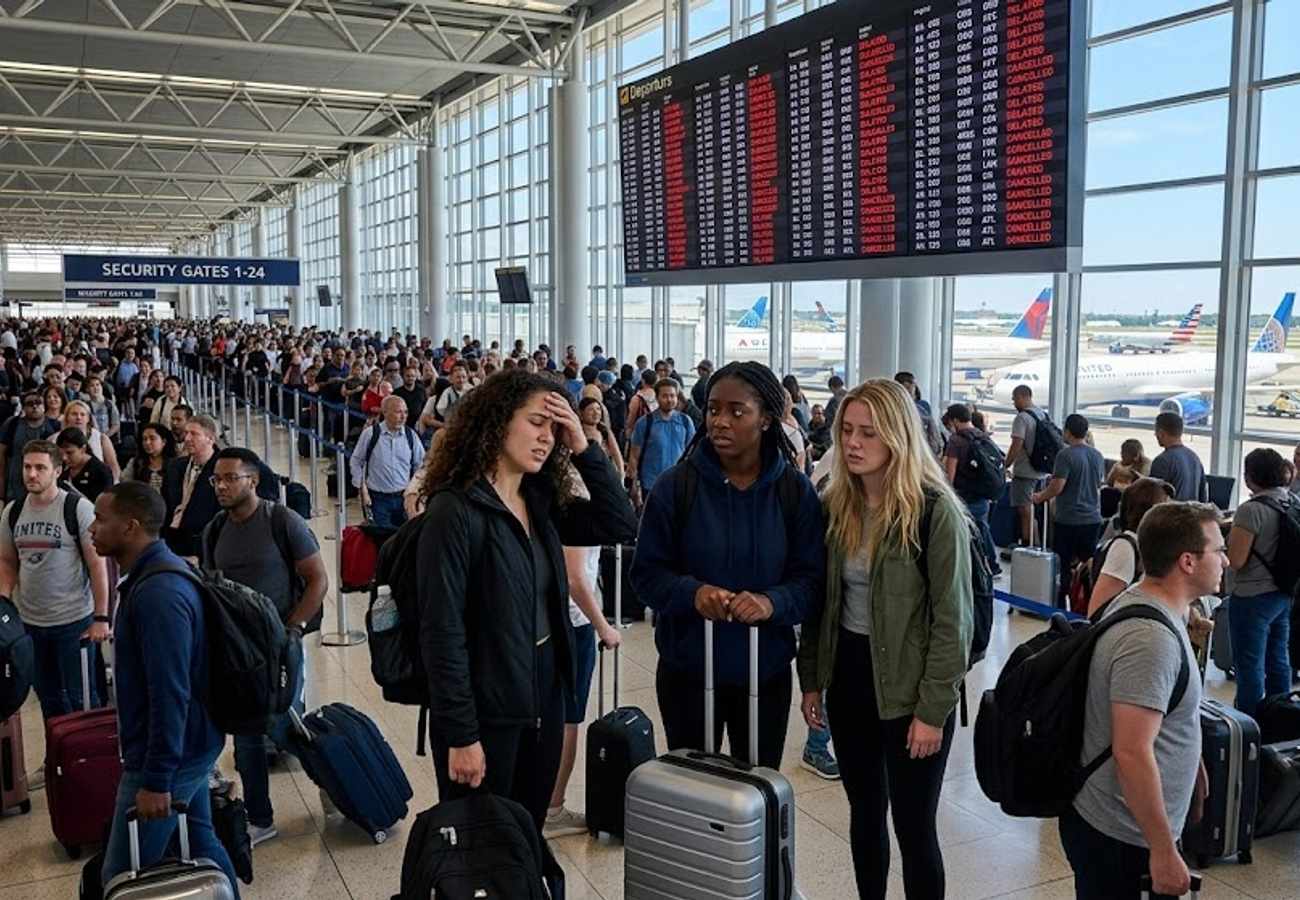
Image generated by AI
The Perfect Storm: America's 250th Birthday Collides With FIFA World Cup 2026
The Transportation Security Administration just issued an official warning that should make every holiday traveler sit up and pay attention. Between Tuesday, June 30, and Monday, July 6, 2026, U.S. airports will screen nearly 18.7 million passengers—a historically unprecedented surge driven by two simultaneous events that rarely overlap: America's Semiquincentennial celebration and the ongoing FIFA World Cup 2026 tournament.
The convergence is brutal. Domestic travelers are flooding airports to celebrate the nation's 250th birthday with family and friends. Simultaneously, international football fans are descending on American cities for World Cup matches. Airport terminals aren't just busy—they're operating at maximum capacity with virtually no margin for error.
Reddit: "I've been through TSA lines during holidays for twenty years, and this year feels different. Everyone I know is flying out July 2 or 3." — r/travel
Thursday, July 2: The Busiest Day in TSA History
Federal projections don't mince words: Thursday, July 2, 2026, will be the single busiest screening day in American aviation history. The TSA expects to process more than 3 million passengers through security checkpoints within a single 24-hour window.
To put that in perspective, that's roughly one passenger every 29 milliseconds. Early morning flight banks will likely experience waits exceeding two hours even with expedited protocols. Late afternoon slots won't be much better. Standard arrival recommendations of one hour before departure are dangerously obsolete.
United Airlines alone is flying approximately six million passengers across its network during this seven-day window. With that volume, missing a connection doesn't mean catching the next flight—it means being stranded for days while rebooking systems overflow.
The Economic Reality: Airfares Jump 26.7% Despite Gridlock
Here's where the situation gets darker. The Consumer Price Index reports that airline fares have jumped 26.7 percent compared to the same period last year. Jet fuel costs remain elevated due to ongoing global geopolitical tensions and inflation pressures. Airlines have consolidated routes and reduced fleet flexibility to cut losses.
Yet skyrocketing ticket prices haven't deterred holiday travelers one bit. Demand remains absolutely unyielding. This means airports will remain gridlocked regardless of cost—a classic illustration of inelastic consumer behavior during mandatory holiday periods.
The financial pressure on airlines is real, but it's being passed directly to passengers in the form of higher fares, tighter schedules, and zero scheduling slack for delays.
TSA's Tactical Response: New Technology and Troop Deployment
The TSA isn't sitting idle. The agency has launched a comprehensive overhaul of security infrastructure to handle the 18.7 million passenger flood:
Specialized Personnel Deployment: The TSA has mobilized additional National Deployment Officers alongside expanded explosive detection canine teams. These resources are concentrated within the 14 core FIFA World Cup host city airports—major hubs including New York, Los Angeles, Miami, Dallas, and others.
Bulk Alarm Resolution Technology (BRT): This new system, engineered by Agilent Technologies, allows officers to scan bulk liquids and food items in seconds rather than minutes. Traditional manual bag checks that historically clogged security queues are now streamlined dramatically. The reduction in individual item inspections should accelerate throughput significantly.
Touchless Identity Verification: Expanded to 65 major domestic hubs, these systems eliminate the need to hand documents to screeners. Your mobile ID verification moves you through checkpoints faster and reduces physical contact points.
Despite these innovations, technology alone cannot absorb a 3 million-person daily surge. Bottlenecks will still form.
Military and Trusted Traveler Perks: Your Fast-Track Escape Routes
If you're eligible for premium screening programs, now is the time to leverage them. The TSA's "Serve with Honor, Travel with Ease" campaign offers concrete benefits during this surge:
Active Military and Survivor Families: Front-of-the-line access is now available at 33 military-adjacent airports. This isn't a suggestion—it's a lifeline during peak travel hours.
Military Spouses: The TSA is offering a $25 discount on PreCheck applications, reducing the standard cost significantly. For military families with multiple members, this adds up quickly.
Veterans Ambassador Initiative: Specially trained Passenger Support Specialists are now stationed at major airport screening hubs to assist veterans with any accessibility or navigation questions.
TSA Cares Helpline: Passengers requiring specialized physical assistance must contact the TSA Cares helpline at least 72 hours before departure. This isn't optional—advance notice ensures proper accommodations and prevents dangerous checkpoint delays.
More details on trusted traveler programs can be found through the official TSA PreCheck website, which offers comprehensive eligibility and enrollment information.
Strategic Survival: How Smart Travelers Are Planning Ahead
Surviving July 2–6 requires ruthless planning, not optimism.
Arrive Earlier Than Ever: Two hours before domestic departures is the bare minimum. For major international hubs like New York JFK or Los Angeles LAX, three hours is genuinely safer. Arriving early isn't paranoia—it's insurance against cascading delays.
Digital Documentation: Ensure your ID profile is loaded into your phone and synced with TSA systems. Backup physical documents are mandatory. Double-check expiration dates now, not at the checkpoint.
Carry-On Compliance: Holiday travelers often pack gifts, food items, and sports gear that violate TSA fluid rules. Scan your bags mentally before packing. Any item remotely suspicious—wrapped gifts, gels, bottles, aerosols—will trigger manual inspection. Streamline your physical packing to prevent this entirely.
Book Direct Routes: Connections during peak hours multiply risk exponentially. A single delay cascades into missed connections, rebooking chaos, and potentially multiple overnight stays. Direct flights cost more but eliminate connection vulnerability entirely.
Monitor Real-Time Data: Download the TSA's official wait time app or your airline's app. These show real-time checkpoint delays and allow you to time your arrival strategically. Some airports peak at specific hours—arriving during off-peak windows can cut your wait time in half.
According to recent analysis from aviation delay tracking services, proactive timing decisions reduce average checkpoint wait times by 35–45 percent during surge periods.
The Broader Context: Inflation, Geopolitics, and Supply Chain Strain
This holiday surge doesn't exist in isolation. The broader commercial aviation ecosystem is under stress from multiple directions: elevated jet fuel costs tied to geopolitical tensions, ongoing supply chain constraints limiting aircraft maintenance schedules, and reduced fleet flexibility as airlines shed unprofitable routes.
United Airlines alone is operating nearly 5,000 daily flights to accommodate an average of 550,000 passengers per day. This operational rigidity leaves virtually zero slack for weather delays or mechanical issues. Miss your flight, and rebooking becomes genuinely difficult.
Airlines aren't being cruel—they're operating at maximum capacity precisely because demand is so relentless and costs are so high that they cannot afford empty seats.
Missing Your Flight During This Surge: A Real Threat
Here's the harsh reality: if you miss your flight between July 2–6, you're not catching "the next one." Rebooking systems will be overwhelmed. You could easily face 24–48 hours of delays securing an alternative seat, especially if your original flight was on a major carrier during peak hours.
The combination of record passenger volume, tightly booked aircraft, and reduced scheduling flexibility means that missing a connection or arriving late creates genuine hardship.
Plan for this reality now. Arrive early. Use technology to track conditions. Leverage any premium programs you qualify for. This isn't typical holiday travel—it's a historically unprecedented surge that demands historically unprecedented planning.
Don't let America's 250th birthday celebration turn into your personal travel nightmare—prepare now or face the consequences.
Related Travel Guides
Disclaimer
This article is for informational and educational purposes only. It does not constitute legal, financial, or professional advice. While we strive to provide accurate and up-to-date information, travel policies, regulations, and conditions change rapidly. Always verify information with official sources before making travel decisions. Nomad Lawyer makes no representations about the accuracy, reliability, completeness, or suitability of the information provided. Readers should consult qualified professionals for advice specific to their circumstances. The views expressed in this article are those of the author and do not necessarily reflect the views of Nomad Lawyer.
Kunal K Choudhary
Co-Founder & Contributor
A passionate traveller and tech enthusiast. Kunal contributes to the vision and growth of Nomad Lawyer, bringing fresh perspectives and driving the community forward.
Learn more about our team →