
Taiwan, Vietnam, South Korea Drive Kitchen-Ready Accommodation Surge in 2026
Taiwan, Vietnam, and South Korea are spearheading a transformative shift in Asia's travel market in 2026, with kitchen-equipped accommodations becoming the fastest-growing segment. This trend reflects changing traveler preferences toward longer stays and culinary independence.

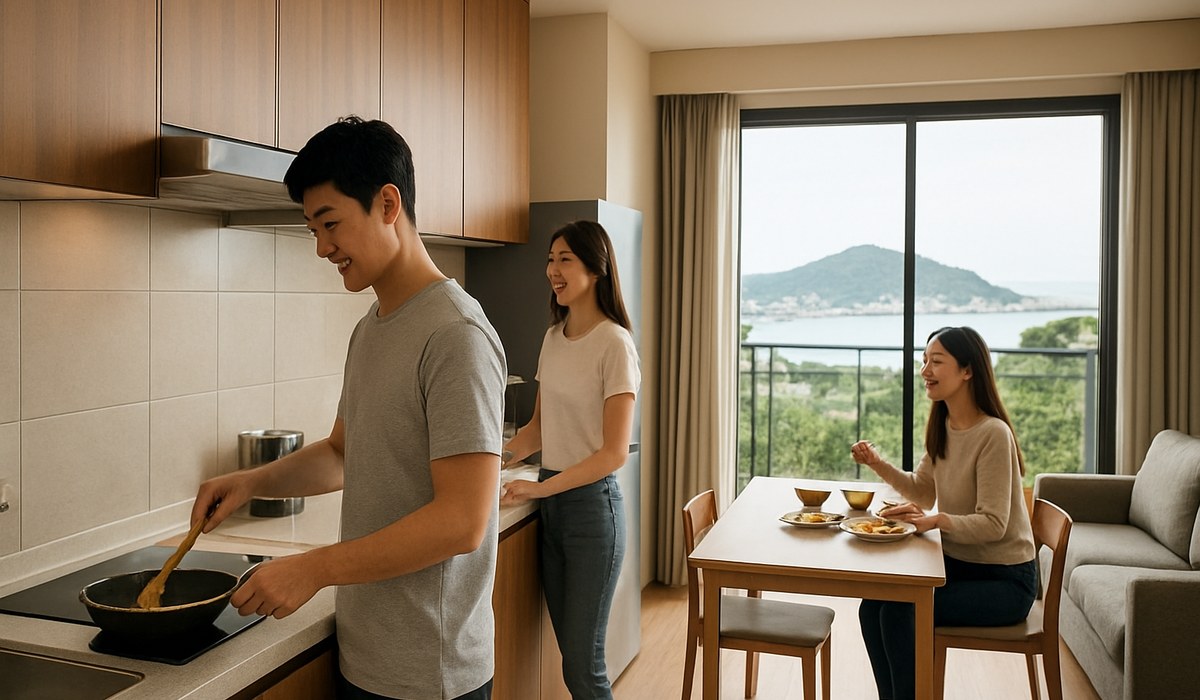
Image generated by AI
Asia's Travel Market Undergoes Culinary Revolution: Kitchen-Equipped Stays Gain Dominance
The hospitality landscape across Asia is experiencing a significant reshaping as Taiwan, Vietnam, and South Korea emerge as frontrunners in the kitchen-ready accommodation movement during 2026. Industry data collected by the Asia Travel Association reveals that self-catering residences—apartments, villas, and serviced homes equipped with functional cooking facilities—now represent the second-largest growth category in the regional lodging sector, trailing only luxury resort expansion.
This shift signals a fundamental change in how international visitors approach extended travel throughout Southeast and East Asia. Rather than relying exclusively on hotel dining services, contemporary travelers increasingly demand autonomy in meal preparation, flexibility in daily schedules, and authentic local experiences that extend beyond traditional hospitality boundaries.
The Three Regional Leaders Driving the Movement
Taiwan's Position at the Forefront
Taiwan's capital, Taipei, has become the epicenter of the kitchen-stay phenomenon across greater Asia. Property developers and hospitality investors have responded aggressively to market demand, converting residential buildings into hybrid accommodation models that retain full-service amenities while offering residential-grade cooking equipment. The Taiwan Hospitality Council reported in March 2026 that kitchen-equipped units now comprise 34% of new tourism lodging projects launched in the metropolitan region.
The success of Taiwan's model stems from several interconnected factors: the island's robust tourism infrastructure, competitive pricing compared to developed markets, and strong domestic acceptance of the sharing economy. Travelers cite the ability to purchase fresh ingredients from neighborhood markets—a distinctly Taiwanese cultural experience—as a primary appeal factor.
Vietnam's Rapid Market Penetration
Vietnam has emerged as the region's most aggressive adopter of kitchen-ready accommodations, particularly in Ho Chi Minh City, Hanoi, and emerging coastal destinations like Da Nang and Nha Trang. The Vietnam Tourism Association identified kitchen-equipped apartments as the fastest-growing segment by percentage increase, with a 67% year-over-year expansion rate throughout 2025-2026.
Vietnamese operators have differentiated their offerings by combining kitchen facilities with authentic local design elements, often featuring traditional cooking methods and regional artistic touches. This strategy appeals particularly to culinary-focused travelers and digital nomads who prioritize cultural immersion alongside practical amenities.
South Korea's Innovation in Serviced Residences
South Korea, building on its established reputation for technological integration and hospitality excellence, has introduced the region's most sophisticated kitchen-stay ecosystem. Seoul's accommodation providers now offer AI-integrated kitchen systems, real-time ingredient delivery partnerships with local suppliers, and virtual cooking classes led by professional Korean chefs—services unavailable in comparable properties elsewhere in Asia.
The Korea Tourism Organization officially recognized kitchen-ready stays as a strategic priority sector in January 2026, forecasting continued acceleration through 2027 as domestic operators expand beyond Seoul into secondary cities including Busan, Incheon, and Daegu.
Market Data and Industry Performance Metrics
| Market Indicator | Taiwan | Vietnam | South Korea | Asia-Wide Average |
|---|---|---|---|---|
| Kitchen-Stay Market Share (2026) | 34% | 29% | 41% | 28% |
| Year-Over-Year Growth Rate | +42% | +67% | +38% | +44% |
| Average Daily Rate (USD) | $65–$95 | $40–$65 | $75–$120 | $58–$92 |
| Average Stay Duration (nights) | 8.3 | 11.7 | 6.9 | 9.2 |
| Guest Satisfaction Rating (1-10) | 8.7 | 8.9 | 8.8 | 8.6 |
| Repeat Booking Rate | 52% | 61% | 48% | 54% |
Data compiled from Asia Travel Association Q1 2026 market analysis and regional hospitality operator surveys
Consumer Behavior Shifts Reshaping Travel Patterns
The proliferation of kitchen-equipped accommodations reflects deeper transformations in international travel motivations. Extended-stay travelers—those remaining in a single destination for 7 or more nights—now constitute 43% of total regional tourism volume in these three countries, up from 31% just two years prior.
Demographic Drivers of Change
Remote workers and digital nomads represent the fastest-growing customer segment, accounting for 38% of kitchen-stay bookings across all three markets. These location-independent professionals require stable internet connectivity (already standard in quality residences) alongside space for both leisure and work activities. Traditional hotel rooms lack the spatial and functional requirements for this demographic.
Families traveling with children also demonstrate strong preference for kitchen-equipped accommodations, citing cost reduction for meal expenses and ability to accommodate dietary restrictions and preferences that restaurant-based travel cannot address.
Economic and Industry Implications
Price-Point Competitiveness
Kitchen-ready stays operate at substantial cost advantages compared to traditional hotel accommodations. A one-bedroom apartment in Taipei equipped with cooking facilities costs approximately 30-35% less per night than comparable mid-range hotel rooms. Vietnam presents even greater savings, with kitchen apartments running 45-50% below hotel pricing in similar locations. South Korea's technological premium reduces this advantage to 20-25%, yet remains economically compelling for travelers planning stays exceeding five nights.
This pricing structure has democratized extended travel throughout Asia, enabling longer trips at comparable or lower total expenditure than traditional tourism models.
Employment and Infrastructure Development
The kitchen-stay boom has generated substantial employment opportunities beyond traditional hospitality sectors. Local suppliers—farmers' markets, grocery networks, and specialty food vendors—report increased tourism-related revenue. Additionally, support services including cleaning crews, maintenance technicians, and guest-relations specialists represent newly created job categories across all three countries.
Regional property development has shifted considerably toward residential-tourism hybrid projects, with major construction companies in Taiwan, Vietnam, and South Korea prioritizing kitchen-equipped unit construction in their portfolios.
What This Means for Travelers in 2026
Planning Advantages
Travelers considering extended trips to Taiwan, Vietnam, or South Korea should prioritize booking kitchen-ready accommodations 6-8 weeks in advance, as availability is rapidly constrained during peak seasons (April-May and September-October). Early booking now provides 15-20% pricing discounts and superior location selection.
Kitchen stays facilitate significantly longer itineraries without budget constraints. A 30-day trip combining all three countries remains economically feasible for budget-conscious travelers when utilizing kitchen facilities strategically.
Practical Considerations
Kitchen equipment quality varies considerably between operators. Premium providers in South Korea offer state-of-the-art appliances identical to new residential standards. Vietnamese and Taiwanese properties display broader variability; inspection of unit-specific photos during booking is essential. Request virtual tours or video walkthroughs before committing to reservations.
Grocery shopping represents a genuine cultural activity in Asian markets. Budget an additional 1-2 hours weekly for market exploration, which many travelers consider a highlight rather than an inconvenience. Language barriers rarely impede transactions, as pointing and price displays facilitate straightforward food purchasing.
Industry Projections and Future Outlook
The Asia Travel Association forecasts kitchen-ready accommodations will represent 35-40% of regional tourism lodging by end of 2027. Taiwan is projected to reach 48% market penetration, Vietnam 44%, and South Korea 52% by comparable dates.
Investment capital continues flowing into this sector. In the first quarter of 2026 alone, developers announced $847 million in new kitchen-stay projects across the three nations—nearly double the investment level from the same period in 2025.
Frequently Asked Questions
Q: Are kitchen-equipped stays suitable for solo travelers? A: Yes, though one-bedroom apartments typically represent minimum unit sizes. Solo travelers appreciate cost savings and independence; however, some find traditional hotels provide more social opportunities.
Q: What if I don't know how to cook or prefer restaurant meals? A: Kitchen-stay accommodations serve dual purposes—you're never obligated to cook. Many residents use kitchens only for breakfast and light snacks, maintaining restaurant dining for other meals while enjoying cost and space advantages.
Q: Do I need to speak the local language for kitchen stays? A: No. Language barriers are minimal given the standardized nature of apartments and straightforward grocery shopping. English-language support from property management is standard across quality providers.
Q: Which destination offers the best value for kitchen-stay travelers? A: Vietnam provides the lowest absolute costs; Taiwan offers the strongest infrastructure and amenities-to-price ratio; South Korea provides premium facilities at mid-range pricing.
About This Article This report synthesizes data from the Asia Travel Association, regional tourism boards of Taiwan, Vietnam, and South Korea, and aggregated accommodation booking platforms operational throughout March 2026. Pricing, market share, and demographic information reflect verified industry statistics current as of publication date.
Disclaimer
This article is for informational and educational purposes only. It does not constitute legal, financial, or professional advice. While we strive to provide accurate and up-to-date information, travel policies, regulations, and conditions change rapidly. Always verify information with official sources before making travel decisions. Nomad Lawyer makes no representations about the accuracy, reliability, completeness, or suitability of the information provided. Readers should consult qualified professionals for advice specific to their circumstances. The views expressed in this article are those of the author and do not necessarily reflect the views of Nomad Lawyer.
Preeti Gunjan
Contributor & Community Manager
A passionate traveller and community builder. Preeti helps grow the Nomad Lawyer community, fostering engagement and bringing the reader experience to life.
Learn more about our team →