
Travel Money Cash: 84% of Australian Travelers Still Carry Currency Abroad in 2026
New research reveals 84% of Australian travelers carry travel money cash abroad despite digital payment dominance at home. The 2026 Travelex Travel Money Insights Report shows cash remains essential for international travel, with prepaid cards gaining momentum.

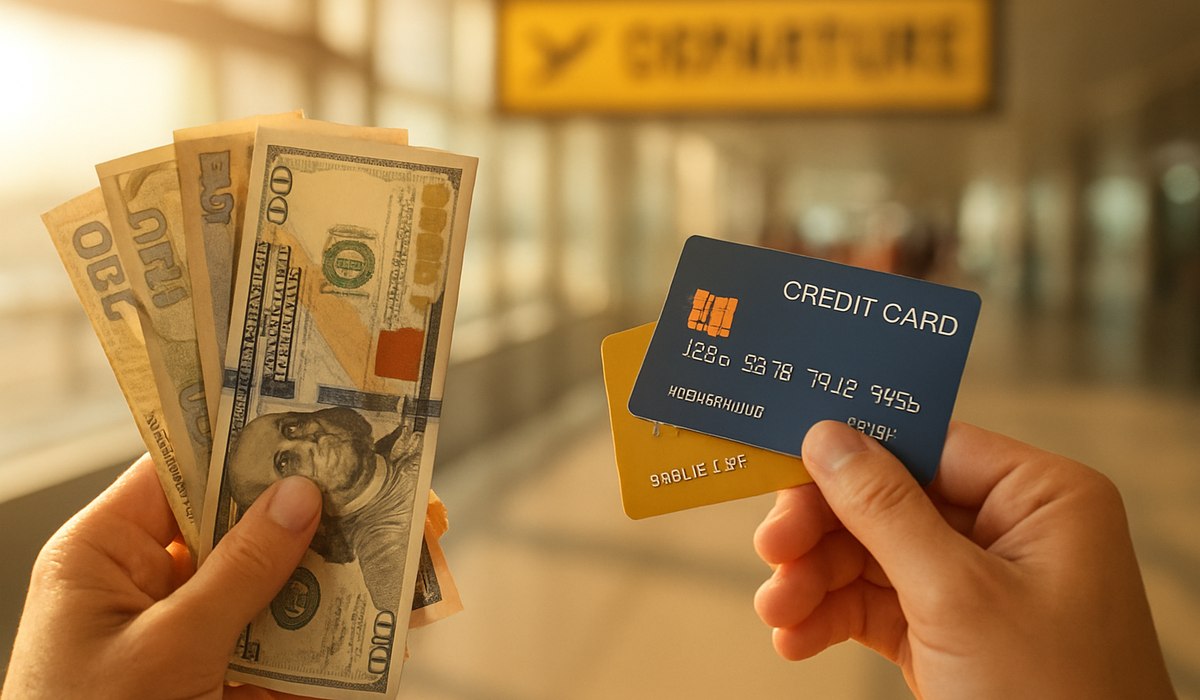
Image generated by AI
Travel Money Cash Dominates: 84% of Aussie Travelers Carry Physical Currency Abroad
Australia's travelers are defying domestic payment trends by embracing travel money cash overseas. New data from the 2026 Travelex Travel Money Insights Report reveals that 84 percent of Australian travelers carry physical currency when traveling internationally, a stark contrast to domestic habits where cash comprises less than 10-15 percent of transactions. While tap-and-go technology dominates Australian streets, international travelers maintain strong preferences for tangible money. The findings underscore a critical gap between how Australians pay at home versus how they manage finances abroad, with physical currency providing security, reliability, and peace of mind across unfamiliar destinations.
Cash Remains King for Aussie Travelers Despite Digital Revolution
The contrast between domestic and international payment behaviors reveals fascinating travel money cash patterns. At home, Australian consumers embrace contactless payments and digital wallets. Yet when boarding flights, 84 percent pack foreign currency despite having credit and debit card options available.
Credit cards are used by only 42 percent of Australian travelers, while debit cards trail at 22 percent adoption. Remarkably, approximately one in ten Australians relies exclusively on travel money cash throughout their entire trip. This preference transcends age groups and income levels, suggesting that physical currency fulfills specific functions that digital payments cannot replicate in international contexts.
Industry experts attribute this persistence to destination-specific factors. Many regions still operate primarily on cash-based systems, particularly for street markets, local transportation, and small vendors. Payment infrastructure varies significantly across popular Australian destinations, making travel money cash a practical safeguard against connectivity issues or merchant incompatibility.
Small Purchases and Peace of Mind Drive Cash Preference
The primary driver behind travel money cash carrying is straightforward: small purchases and gratuities. According to the 2026 data, 79 percent of Australian travelers use cash for minor transactions like tipping, taxi fares, and street food purchases. These everyday expenses represent the bulk of international spending for many tourists.
Travelers cite several advantages of physical travel money cash for small purchases. First, there's no transaction fee for each small purchase as there might be with card payments. Second, tipping with cash remains culturally expected in many destinations, particularly in hospitality contexts. Third, cash transactions eliminate concerns about card security in unfamiliar environments where skimming or fraud risks feel heightened.
Beyond practical considerations, travel money cash provides psychological comfort. Many travelers express reservations about card acceptance reliability and potential hidden fees abroad. Carrying cash ensures they can access goods and services regardless of merchant terminals or system failures. This peace of mind justifies the effort required to acquire foreign currency before departure.
Prepaid Travel Cards Gain Ground as Hybrid Payment Strategy
While physical travel money cash maintains dominance, prepaid travel cards are carving out an expanding niche. Travelex reported a 15 percent year-on-year increase in reloads of its Travel Money Card during 2025, indicating growing consumer interest in hybrid payment approaches.
Prepaid travel cards offer advantages that bridge the gap between cash and credit cards. They provide denomination control—travelers load only needed amounts—while eliminating currency exchange risk through pre-loaded funds at locked rates. Cards can be reloaded if travel extends or if additional funds become necessary.
The rise of prepaid cards suggests Australian travelers are becoming more sophisticated in travel money cash management strategies. Rather than choosing exclusively between currency and cards, savvy visitors employ both. They might carry travel money cash for everyday small purchases and tips while keeping a prepaid card as backup for larger purchases, accommodation payments, or emergencies.
Check out Wise's guide to travel money options for comparative analysis of payment methods and exchange rates during international travel.
Forward Planning: Most Australians Organize Travel Money Weeks Ahead
Travel money cash acquisition patterns reveal sophisticated pre-trip planning behavior among Australian travelers. Nearly half (49 percent) of respondents acquire foreign currency at least one month before departure. Only three percent wait until the day of departure to obtain travel money cash—a dramatic shift from traditional airport-based currency exchanges.
This advance planning trend reflects several factors. First, travelers recognize superior exchange rates typically available through non-airport channels. Airport currency exchanges charge significant premiums for convenience, making advance acquisition financially sensible. Second, early planning provides psychological comfort through completed travel preparations. Third, digital platforms now enable convenient currency ordering weeks ahead with home delivery or branch pickup options.
The data indicates travelers are moving deliberately away from last-minute airport purchases toward deliberate, months-in-advance acquisition strategies. This shift benefits travelers through better rates while benefiting providers through predictable demand patterns. The trend demonstrates that despite digitization, travel money cash remains important enough in traveler minds to warrant advance planning attention.
Approximately 92 percent of Australian travelers return home with leftover foreign currency after their trips. More than half retain this travel money cash for future travel rather than converting it back, collectively holding approximately AUD$1 billion in unspent currency according to Accor research.
Key Travel Money Cash Trends: Data Overview
| Metric | Percentage/Finding | Impact |
|---|---|---|
| Australians carrying travel money cash abroad | 84% | Demonstrates enduring physical currency reliance |
| Those using cash for small purchases | 79% | Confirms tipping and minor transactions drive cash use |
| Credit card adoption among travelers | 42% | Shows cards supplement rather than replace cash |
| Debit card adoption among travelers | 22% | Limited primary payment method reliance |
| Travelers acquiring currency 1+ month ahead | 49% | Reflects advance planning and rate optimization |
| Departing with same-day currency purchases | 3% | Sharp decline in airport exchange usage |
| Returnees with leftover foreign currency | 92% | Indicates overpacking or planning conservatism |
| Those retaining leftover currency for future trips | 50%+ | Shows currency retained rather than reconverted |
| Year-on-year prepaid card reload growth (2025) | 15% | Indicates hybrid payment strategy adoption |
| Domestic Australian cash transaction percentage | 10-15% | Stark contrast with 84% international usage |
What This Means for Travelers
Understanding travel money cash preferences reshapes how Australian travelers should approach international financial planning:
-
Prioritize Cash Acquisition: Acquire at least 70 percent of anticipated travel money cash before departure. Plan acquisition one month ahead to access optimal exchange rates through dedicated currency providers rather than airport terminals.
-
Embrace Hybrid Strategies: Don't rely exclusively on travel money cash or cards. Combine physical currency for daily small purchases with a credit card for larger expenses and a prepaid travel card as emergency backup.
-
Research Destination-Specific Norms: Not all destinations treat travel money cash equally. Asian destinations increasingly popular with Australians—Sri Lanka, Vietnam—remain heavily cash-dependent. Research your specific destination's payment infrastructure before departure.
-
Plan for Currency Retention: Expect returning home with unused travel money cash. Rather than converting at poor rates, retain modest amounts for future travel or strategic purposes rather than immediate reconversion.
-
Calculate Hidden Costs: Compare all travel money cash acquisition methods beyond stated exchange rates. Airport fees, bank margins, and currency conversion charges can exceed 5-8 percent of transaction values.
-
Set Realistic Budgets: The average traveler carrying unused currency suggests budgeting conservatively. Start with estimated needs rather than maximizing advance purchases.
FAQ: Travel Money Cash Questions Answered
Q: Is it safe to carry large amounts of travel money cash internationally?
A: Most experts recommend carrying only necessary daily amounts in travel money cash while keeping reserves in cards or hotel safes. Distribute currency across multiple locations—wallet, hotel safe, money belt—
Preeti Gunjan
Contributor & Community Manager
A passionate traveller and community builder. Preeti helps grow the Nomad Lawyer community, fostering engagement and bringing the reader experience to life.
Learn more about our team →