
Oʻahu North Shore Reopens: Haleʻiwa Welcomes Visitors After Devastating Kona Low Storms
Oʻahu North Shore reopens to visitors as Haleʻiwa recovers from severe Kona low storms that caused the worst flooding in 20 years across Hawaii in 2026. Tourism authorities urge travelers to support local recovery efforts.

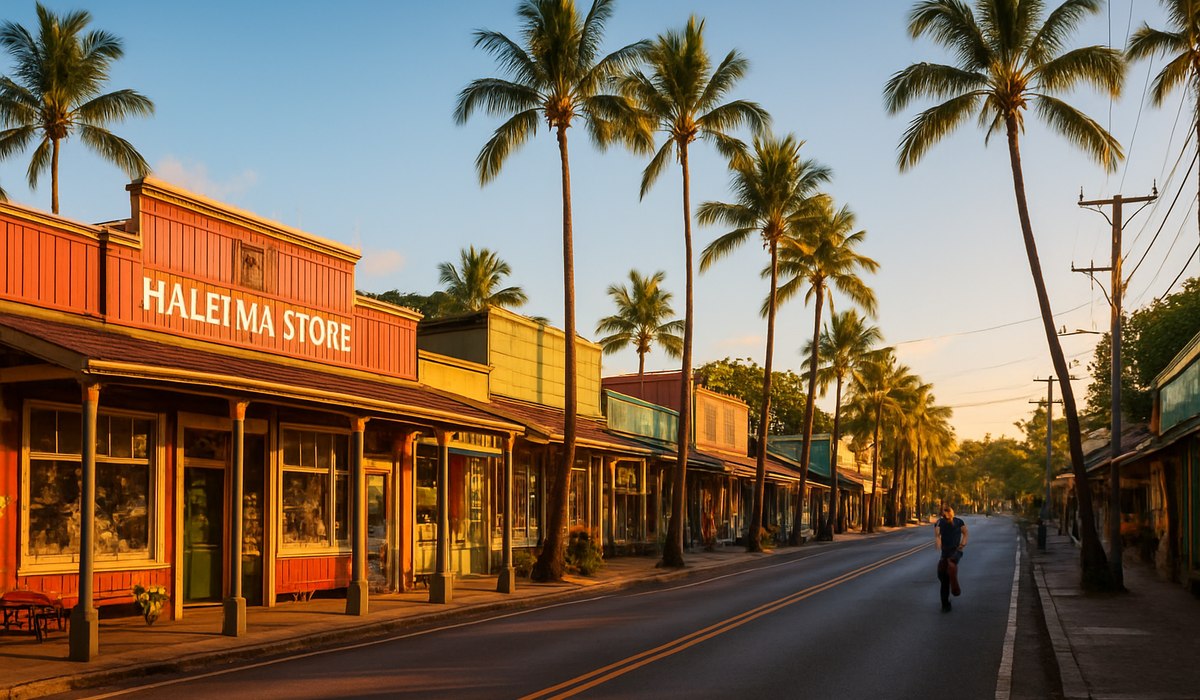
Image generated by AI
Haleʻiwa Welcomes Visitors Again: North Shore Reopens After Historic Storms
The Oʻahu North Shore is officially welcoming visitors back as the beloved town of Haleʻiwa reopens its doors following devastating Kona low storms that produced record-breaking rainfall. The island community experienced some of Hawaii's worst flooding in two decades when atmospheric rivers brought up to 40 centimeters of rain to affected areas. Despite the significant damage, the majority of shops, restaurants, and tourism operations have resumed normal business. Travelers can now return to experience the charm and vibrant culture of this iconic North Shore destination. Hawaii's tourism authorities are encouraging visitors to visit and support local economic recovery efforts throughout the region.
Understanding the Storm Damage and Access Restrictions
The Kona low weather system brought catastrophic rainfall to multiple Hawaiian communities during late March 2026. This slow-moving cyclone dumped unprecedented amounts of precipitation across Oʻahu, creating widespread flooding and infrastructure damage. While most of the North Shore has reopened, certain areas remain restricted. Waialua and Mokulēʻia are currently accessible only to residents and authorized recovery workers as cleanup and restoration efforts continue. The broader Mānoa region and most visitor-friendly zones have fully reopened for tourism activities. All major airports across the Hawaiian Islands are operating normally, and accommodations throughout the state continue regular operations. This measured approach allows affected communities to stabilize while still welcoming travelers to unaffected destinations.
For current access information and real-time updates, check the Hawaii Tourism Authority official website before planning your trip.
Tourism as an Economic Recovery Tool for Local Communities
Hawaii's Governor Josh Green emphasized that visitor spending plays a critical role in community recovery. When travelers choose to visit during this rebuilding phase, their dollars directly support local jobs and family-owned businesses struggling to recover from storm losses. Haleʻiwa, like many North Shore towns, depends heavily on tourism revenue. The local economy benefits when visitors dine at restaurants, shop at retail establishments, and book accommodations owned by residents.
Hawaii Tourism Authority Interim President & CEO Caroline Anderson highlighted the importance of supporting small, family-run enterprises. These businesses are deeply rooted in community identity and culture. By choosing to spend money locally—eating at neighborhood restaurants, shopping at independent stores, and hiring local guides—travelers become active participants in recovery. Visitor support accelerates the restoration of community infrastructure and helps families regain financial stability. Tourism isn't merely about vacation experiences; during this recovery period, it represents meaningful economic assistance to people rebuilding their lives and livelihoods after significant disaster.
Hawaii's Overall Recovery and Airport Operations
The broader Hawaiian Islands have rebounded remarkably well from the severe weather event. All major airports, including Daniel K. Inouye International Airport on Oʻahu, maintain normal flight schedules and operations. Most hotels, resorts, vacation rentals, and tourism attractions across Hawaii are operating at full capacity. This widespread availability means travelers have abundant lodging options and diverse activity opportunities. The swift restoration of tourism infrastructure demonstrates the islands' resilience and commitment to welcoming visitors.
Supply chains have largely normalized, ensuring that restaurants and shops are well-stocked. Tourist attractions ranging from hiking trails to water sports facilities have reopened. Beach access and water conditions have returned to normal across most coastal areas. This comprehensive recovery message signals that Hawaii remains a safe, welcoming destination for travelers of all interests. Plan your Hawaii getaway with confidence, knowing that the islands are ready to receive you with the characteristic aloha spirit that defines Hawaiian hospitality.
Best Time to Visit Oʻahu's North Shore
Late spring through early summer offers ideal conditions for visiting the North Shore after the severe March storms. April and May provide warm weather, lower humidity, and calmer ocean conditions compared to winter months. These months feature fewer crowds than summer peak season while maintaining excellent weather for outdoor activities. Water temperatures begin warming, making snorkeling and swimming more comfortable. Springtime also means fewer tourists from mainland schools, allowing for a more authentic local experience.
Summer months (June through August) bring peak tourist season but also warmer water temperatures and generally calm conditions. Fall brings occasional rainfall but fewer visitors and excellent deals on accommodations. Winter (December through February) typically features larger ocean swells, making it prime time for experienced surfers but challenging for casual swimmers. Visiting post-recovery supports local businesses during their critical rebuilding phase. Choose any season based on your preferences, knowing your visit directly helps communities recover from the devastating Kona low flooding.
How to Get There
Most visitors reach Oʻahu through Daniel K. Inouye International Airport (HNL) in Honolulu, located approximately 30 minutes south of the North Shore. Regular flights connect HNL with major U.S. cities and international destinations. Upon arrival, rent a vehicle or use rideshare services to travel north toward Haleʻiwa. The drive takes roughly 45 minutes to one hour depending on traffic and your specific North Shore destination.
Alternative transportation includes public buses operated by TheBus, which connects downtown Honolulu to North Shore communities. Visitors can also book guided tours that include transportation and local expertise. Once in Haleʻiwa, most attractions and businesses are accessible on foot or via short drives. Parking is generally available throughout town, though popular spots during weekends may require patience. Consider visiting during weekday hours for easier parking and a more relaxed atmosphere supporting local recovery efforts.
What This Means for Travelers
Here are actionable steps to support North Shore recovery while enjoying your Hawaii vacation:
-
Book accommodations directly with local property owners rather than large chains whenever possible. Contact family-run bed-and-breakfasts and small hotels to maximize your economic impact.
-
Eat at independently owned restaurants and food establishments in Haleʻiwa. These businesses depend on visitor spending more than corporate franchises and offer authentic local cuisine.
-
Shop at local boutiques, surf shops, and craft stores instead of chain retailers. Support artisans and entrepreneurs rebuilding their businesses after storm damage.
-
Hire local guides for activities and tours. Native Hawaiian tour operators provide cultural expertise while keeping money within the community.
-
Volunteer with community organizations if time permits. Many groups welcome short-term volunteers assisting recovery efforts, from debris removal to community meals.
-
Stay informed through official tourism channels before traveling. Check the Hawaii Tourism Authority website regularly for the most current information on access restrictions and operational status.
Frequently Asked Questions
Is it safe to visit Oʻahu North Shore in 2026 after the storms? Yes, the North Shore is safe for visitors. Most businesses have reopened, all airports operate normally, and accommodations throughout Hawaii remain available. Only Waialua and Mokulēʻia are restricted to residents and recovery workers. All other North Shore areas, including Haleʻiwa, welcome tourists.
What areas are still restricted after the Kona low flooding? Waialua and Mokulēʻia remain off-limits to visitors while recovery and restoration continue. These areas are accessible only to residents and authorized recovery personnel. All other North Shore communities, particularly Haleʻiwa, have fully reopened for tourism.
How can I support local recovery while visiting? Spend money at family-owned businesses, eat at local restaurants, stay at locally operated accommodations, and hire community-based guides. Consider volunteering with official recovery organizations if your schedule allows. Your visitor spending directly supports families and businesses rebuilding after the storms.
When is the best time to visit after the devastating Kona low storms? Visit anytime,
Preeti Gunjan
Contributor & Community Manager
A passionate traveller and community builder. Preeti helps grow the Nomad Lawyer community, fostering engagement and bringing the reader experience to life.
Learn more about our team →