
Travel Luxury Ambition: How Celebrity-Backed EVs Shape Europe's Premium Destinations
Celebrity endorsements of luxury electric vehicles are transforming European tourism infrastructure in 2026. Affluent travelers now expect EV charging networks at premium destinations worldwide.

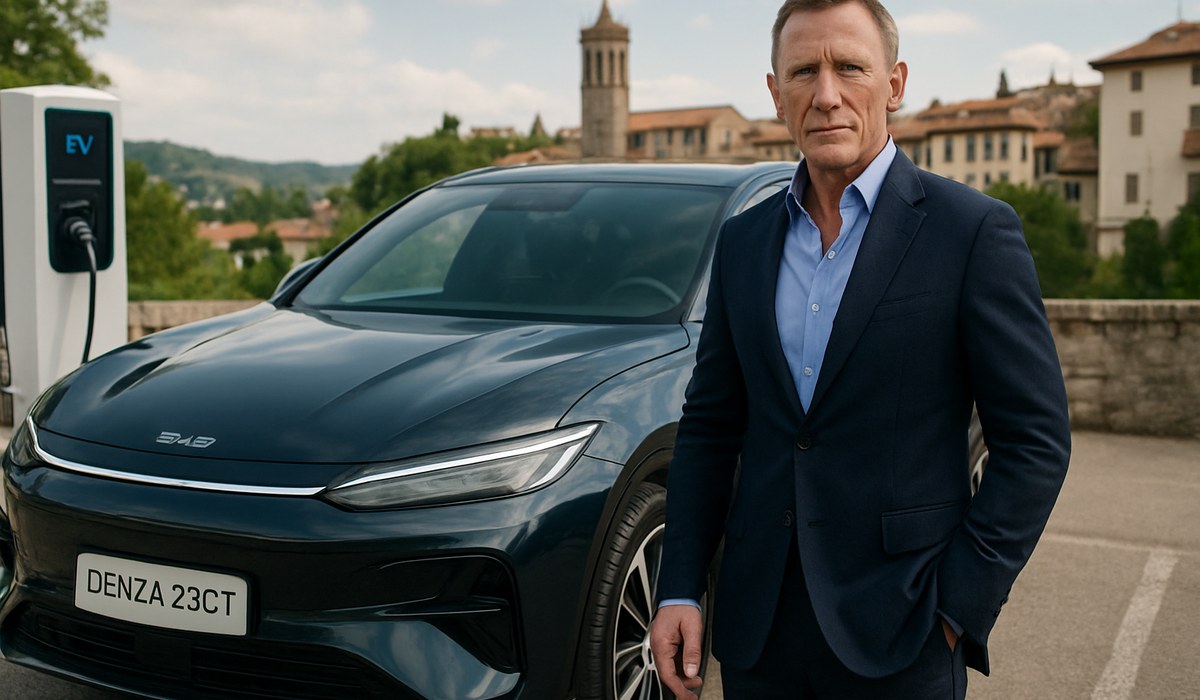
Image generated by AI
**> Quick Summary
- Global A-list celebrities are adopting premium electric vehicles, shifting wealthy traveler expectations across Europe
- Luxury hospitality groups now race to install fast-charging infrastructure at five-star properties and resort destinations
- Chinese EV manufacturers target European high-net-worth travelers with bespoke charging amenities and concierge services
- Sustainable travel credentials increasingly define competitive positioning in the €2.4 billion European luxury tourism segment**
Celebrity Influence Meets Sustainable Luxury Travel: The DENZA Z9GT Effect
When Hollywood's most recognizable figures embrace emerging automotive technologies, destination managers take notice. The recent adoption of sophisticated electric vehicles by A-list personalities has triggered a seismic shift in how European tourism boards approach infrastructure investment and brand positioning.
A prominent actor known for spy thrillers made headlines in early 2026 by transitioning to a premium Chinese-manufactured electric sedan. His visible embrace of this technology signaled to the global affluent traveler demographic that sustainability need not compromise luxury or performance standards. The ripple effect proved immediate and consequential.
Destination marketers across the continent suddenly confronted an uncomfortable reality: their properties lacked the charging capabilities that discerning, high-spending guests increasingly demanded. This gap wasn't merely operational—it represented a competitive vulnerability. Hotels competing for the $50,000-plus nightly clientele recognized that infrastructure gaps could cost them bookings.
The DENZA Z9GT, a premium electric sedan engineered in Beijing, emerged as the symbolic vehicle of this transition. Its presence at European five-star properties and luxury resort enclaves became an unspoken marker of destination sophistication. Properties without dedicated charging stations found themselves instantly dated, regardless of thread count or Michelin accolades.
Industry insiders note that this celebrity-driven phenomenon accelerated market shifts that were already underway. However, the velocity of adoption surprised even hardened hospitality executives. What might have been a five-year infrastructure transition compressed into months.
Europe's Luxury Destinations Race to Build EV-Ready Infrastructure
The continental response has been neither uniform nor leisurely. Destination management organizations across the Mediterranean, Alpine regions, and Benelux countries launched simultaneous infrastructure modernization programs. Investment commitments exceeded €150 million within the first quarter of 2026 alone.
Alpine Switzerland moved fastest. Properties in Zermatt, St. Moritz, and the Engadin Valley installed comprehensive charging networks by February 2026. The Swiss Hospitality Association positioned the move as essential to maintaining the country's position as the world's premier destination for ultra-high-net-worth travelers.
Mediterranean destinations proved equally aggressive. The Greek Peloponnese, Croatian Dalmatian coast, and Italian Amalfi region all announced coordinated charging infrastructure projects. Portugal's Algarve region, increasingly popular with Silicon Valley executives and Asian wealth, launched an integrated EV tourism initiative spanning 47 participating properties.
As the hotel European industry defies 2026 challenges with luxury leading the recovery, premium properties recognized that infrastructure investment directly correlated with occupancy rates and average daily rate expansion.
France's Côte d'Azur demonstrated particularly sophisticated strategic positioning. Rather than viewing EV infrastructure as a cost center, destination marketing offices framed it as a luxury amenity equivalent to Michelin restaurants or championship golf courses. Properties began advertising charging speeds and power availability in their premium tier marketing materials, a practice virtually unheard of eighteen months earlier.
The financial commitments proved substantial. Individual five-star properties invested €2 million to €5 million in dedicated charging infrastructure, including concealed charging stations designed to preserve property aesthetics. Brands like Rosewood, Four Seasons, and Mandarin Oriental all reported accelerated charging installation timelines across their European portfolios.
How Premium Hotels and Resorts Are Capitalizing on Electric Vehicle Tourism
Luxury hospitality operators transformed necessity into competitive advantage with remarkable speed. Rather than viewing EV charging as a compliance obligation, they repositioned it as a premium experience opportunity.
Concierge teams now provide bespoke charging consultation. Guests receive detailed route planning software integrated into their room tablets, with charging schedules calibrated to personalized travel itineraries. Some properties offer "charging butler" services—dedicated staff who manage vehicle charging timing to align with guest activities.
The Germany market strategy driving Crete's luxury hospitality expansion underscores how affluent European travelers increasingly evaluate destinations based on technological infrastructure parity. Crete's ultra-premium properties now feature electric vehicle amenities as standard offerings for their highest-tier suite categories.
Package development proved particularly innovative. Properties began bundling charging amenities with culinary experiences, wellness programs, and cultural excursions. One five-star property in the Douro Valley offered guests complimentary charging alongside their wine tasting packages, reducing fuel costs for multi-day exploration itineraries.
Sustainability marketing gained authenticity through this integration. Rather than vague claims about environmental commitment, properties could now demonstrate genuine alignment between infrastructure investment and operational philosophy. Guest reviews increasingly highlighted charging experiences as decision factors in future booking choices.
Luxury brands recognized that this infrastructure shift offered differentiation opportunities at the high end of the market. Properties serving the ultra-wealthy demographic could now position themselves as forward-thinking, technologically sophisticated, and environmentally conscious—previously difficult positioning angles for traditional luxury hospitality.
The Competitive Advantage: Why Chinese EVs Matter to European Travel Markets
The emergence of premium Chinese electric vehicle manufacturers fundamentally altered destination infrastructure planning. European luxury markets previously assumed that only European and American automotive standards would define high-end expectations. The entry of Chinese manufacturers with genuine luxury positioning forced strategic recalibration.
Chinese EVs targeting European affluent travelers offered advantages European manufacturers initially underestimated. Superior battery technology meant longer range capabilities—critical for travelers navigating continental distances without range anxiety. Proprietary infotainment systems featured seamless international connectivity, essential for mobile professional clientele.
Pricing dynamics proved equally consequential. Premium Chinese electric vehicles offered performance and amenities comparable to European and American competitors at 15-25% price reductions. This value proposition proved compelling to wealthy travelers seeking technology leadership without premium pricing premiums.
Destination competitiveness increasingly hinged on partnerships with Chinese EV manufacturers. Progressive hospitality groups negotiated preferential charging rates for guests arriving in specific vehicle brands. Some properties obtained exclusive partnerships, positioning themselves as officially designated charging facilities for particular manufacturers.
The United Nations World Tourism Organization recognized this infrastructure shift as integral to sustainable tourism advancement. Recent UNWTO analysis indicated that EV infrastructure readiness became a measurable component of destination sustainability credentials, influencing international traveler selection patterns across affluent demographic segments.
European luxury destinations recognized that infrastructure investment created barriers to entry for competitors. Properties unable to commit capital to charging networks risked competitive obsolescence within the high-end market segment. This realization accelerated investment cycles across the continent.
National Geographic Travel documented how destination-specific EV infrastructure development represented a significant evolution in sustainable tourism strategy, noting that affluent travelers now evaluated destinations partially based on technological infrastructure completeness rather than exclusively on historical significance or natural beauty.
FAQ: Everything Affluent Travelers Need to Know About EV Luxury Journeys
Q: Do European luxury hotels guarantee charging access for all guests?
A: Premium properties now include charging as a standard amenity for suite-level accommodations and above. However, charging speed and availability can vary significantly between properties. Always confirm specific charging capabilities during the booking process, particularly for properties in older building complexes where infrastructure retrofitting presents challenges.
**Q: What charging speeds should I expect at five-star European properties?
Disclaimer
This article is for informational and educational purposes only. It does not constitute legal, financial, or professional advice. While we strive to provide accurate and up-to-date information, travel policies, regulations, and conditions change rapidly. Always verify information with official sources before making travel decisions. Nomad Lawyer makes no representations about the accuracy, reliability, completeness, or suitability of the information provided. Readers should consult qualified professionals for advice specific to their circumstances. The views expressed in this article are those of the author and do not necessarily reflect the views of Nomad Lawyer.
Kunal K Choudhary
Co-Founder & Contributor
A passionate traveller and tech enthusiast. Kunal contributes to the vision and growth of Nomad Lawyer, bringing fresh perspectives and driving the community forward.
Learn more about our team →