
Travel India Railway Extended: Special Trains Run Through June 2026
Indian Railways extends special train services across Delhi, Bihar, and West Bengal through June 2026. Travelers gain enhanced connectivity options on key routes as the national operator boosts regional capacity.

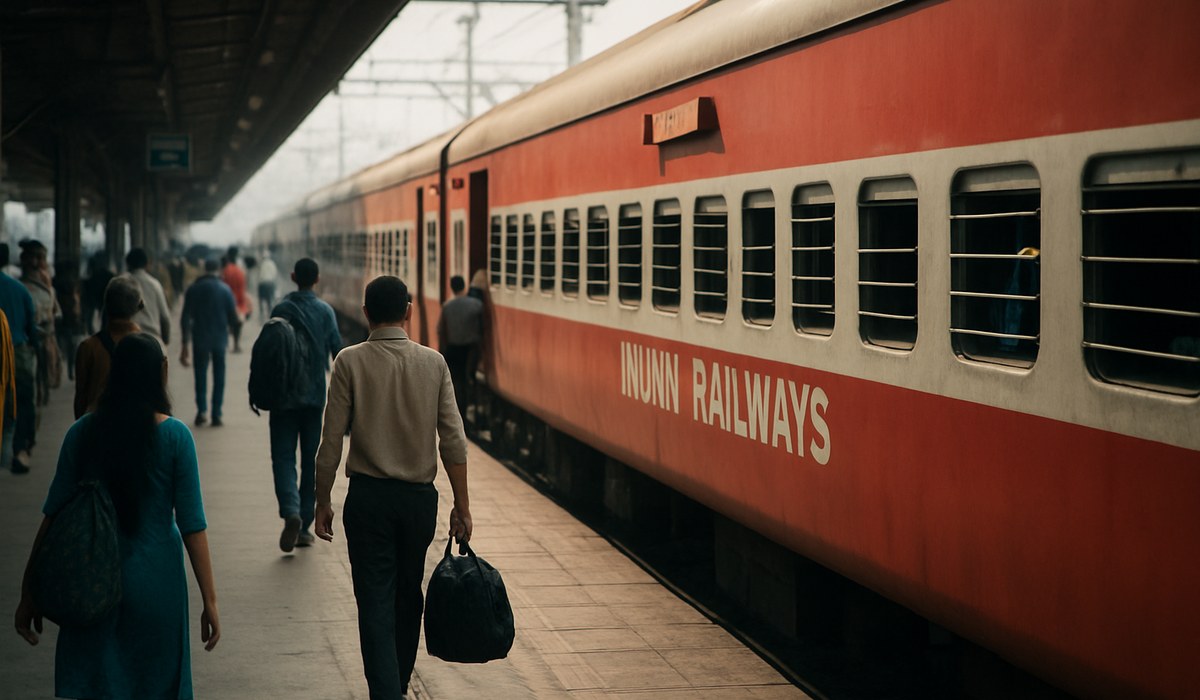
Image generated by AI
Indian Railways extends special train services across Delhi, Bihar, and West Bengal through June 2026, significantly expanding travel capacity for passengers navigating eastern and northern India. The national rail operator announced the continuation of supplementary services that deliver additional frequency and improved connectivity between major urban hubs and regional destinations. This extension addresses growing demand from business travelers, leisure visitors, and daily commuters seeking reliable transportation across these three key states.
Enhanced Rail Connectivity Across Delhi Stations
Delhi's rail network welcomes expanded service capacity as Indian Railways maintains special train schedules through mid-2026. The national capital serves as the primary hub for routes extending into Bihar and West Bengal, making service reliability critical for the entire eastern corridor. New Delhi Railway Station, the city's largest terminal, now accommodates additional special train departures during peak travel windows.
Passengers departing Delhi experience reduced wait times and improved seat availability on routes toward Patna, Gaya, and Kolkata. The special trains supplement regular scheduled services, creating more flexibility for travelers with varying departure preferences. Many routes have introduced extended consist configurations, allowing higher passenger volumes without compromising comfort standards. Journey duration remains consistent with conventional express trains, typically ranging from 12 to 18 hours depending on destination and stop patterns.
Bihar Route Expansion and Service Improvements
Bihar's major cities—Patna, Gaya, and Muzaffarpur—receive direct service enhancements through the extended special train program. These services connect Delhi terminals directly to Bihar's economic centers, eliminating the need for intermediate transfers. The railway operator prioritizes this corridor due to sustained demand from business professionals, students, and family travelers navigating between northern India's capital and eastern regional markets.
Journey times from Delhi to Patna via special trains typically range from 14 to 16 hours, with stops at intermediate stations including Kanpur and Varanasi. Passengers benefit from dedicated coach allocations on select services, reducing overcrowding during India's peak travel seasons. The extended schedule runs through June 2026, ensuring service continuity during summer vacation periods when family travel peaks. Check the official Indian Railways schedule for real-time availability and route-specific details.
West Bengal Connectivity: Kolkata and Beyond
West Bengal's connectivity improves dramatically as Indian Railways maintains special train corridors serving Kolkata, the state capital. These services connect directly from Delhi to eastern India's largest metropolitan area, supporting commerce, education, and tourism flows. The journey covers approximately 1,400 kilometers, typically completed within 18 to 20 hours depending on intermediate stop patterns and track conditions.
Kolkata's primary rail terminals—Howrah Station and Sealdah Station—receive dedicated special train allocations, dispersing passenger volume efficiently. The extended schedule benefits travelers planning extended stays in West Bengal, as improved frequency reduces booking pressure during holiday periods. Services operate on a consistent weekly or bi-weekly schedule through June 2026, allowing advance planning and reliable booking confirmations.
How to Book the Best Fare
Indian Railways offers multiple booking channels designed to serve different traveler preferences and technical comfort levels. The official Indian Railways online portal at www.irctc.co.in provides direct access to special train schedules, real-time seat availability, and immediate confirmation. First-time users should create an account using valid identification documents and contact information to expedite the booking process.
Advanced booking typically opens 120 days before departure, allowing passengers maximum planning time. Special trains often feature dynamic pricing, meaning fares adjust based on occupancy and demand patterns. Early reservations generally yield lower fares compared to last-minute bookings made within two weeks of travel. Passengers can also access booking services through partner platforms like Trainline, which offers multilingual interfaces and customer support across time zones. Payment options include credit cards, digital wallets, and bank transfers, accommodating diverse payment preferences across India's travel market.
Ticket Categories and Pricing Structure
Special trains operate across multiple accommodation classes, ensuring accessibility for travelers with varying budgets and comfort requirements. Sleeper Class (SL) remains the most economical option, typically priced 40-50% below Air-Conditioned First Class fares. Three-tier air-conditioned accommodation (3A) occupies the mid-tier pricing bracket, providing climate control and moderate privacy at moderate costs.
First Class AC (1A) caters to premium travelers seeking maximum comfort, private sleeping compartments, and enhanced amenities. Chair Car (CC) serves day travelers preferring seated arrangements rather than berths. Special train pricing generally remains 10-15% higher than comparable regular express services, reflecting enhanced frequency and service quality. Advance booking discounts occasionally appear for bookings made 60+ days before travel, rewarding early planners.
| Accommodation Class | Typical Delhi-Patna Fare | Journey Duration | Amenities | Best For |
|---|---|---|---|---|
| Sleeper Class (SL) | ₹500-700 | 15-16 hours | Basic berths, shared facilities | Budget-conscious travelers |
| 3-Tier AC (3A) | ₹1,200-1,500 | 15-16 hours | Air conditioning, berths, bedding | Families, comfort seekers |
| 2-Tier AC (2A) | ₹2,000-2,500 | 15-16 hours | Premium seating, enhanced space | Business travelers |
| First Class AC (1A) | ₹3,500-4,500 | 15-16 hours | Private compartments, meals included | Luxury travelers |
| Chair Car (CC) | ₹800-1,000 | 15-16 hours | Reclining seats, day service | Day travelers, commuters |
| General (Unreserved) | ₹200-400 | 15-16 hours | Standing/seating, shared space | Occasional travelers |
Onboard Experience and Passenger Services
Special trains maintain comprehensive catering services operated by Indian Railways' official vendor network. Meals vary by class of travel: sleeper passengers receive complementary tea and snacks, while 3A and above classes include full breakfast and dinner. Attendants distribute meals at scheduled times aligned with journey progression, though timing varies by specific train and route configuration.
Coach cleanliness standards receive regular monitoring through Indian Railways' quality assurance initiatives. Bedding in sleeper and AC classes features freshly laundered linens replaced daily. Charging points remain available in AC coaches, though Sleeper Class passengers should plan accordingly for device power management. Lavatories include Western and Indian-style fixtures, with attendants maintaining cleanliness throughout the journey. Wi-Fi connectivity appears on select premium services, though reliability varies by track location and network coverage.
Booking Tips and Station Navigation
Arrive at your boarding station at least 90 minutes before scheduled departure to complete security checks and platform confirmation procedures. Bring your printed ticket or digital e-ticket accessible on your mobile device, along with a government-issued identification document matching your reservation name. Security screening has intensified at major stations including Delhi's New Delhi Railway Station and Howrah Station in Kolkata, necessitating earlier arrival for international visitors unfamiliar with Indian railway protocols.
Platform assignments are announced approximately 30 minutes before departure. Approach platform officials in case of uncertainty regarding coach location or boarding procedures. Luggage allowances permit one large suitcase plus personal baggage without additional charges. Excess luggage requires advance payment or parcel registration depending on weight and dimensions.
What This Means for Travelers
The extended special train program through June 2026 delivers concrete benefits for anyone planning movement across Delhi, Bihar, and West Bengal:
-
Increased flexibility: Book travel dates without competing with limited seat availability. Special trains add 15-25% capacity to existing network infrastructure.
-
Predictable scheduling: Consistent weekly or bi-weekly departures enable advance planning without last-minute uncertainty.
-
Competitive pricing: Dynamic fares reward early booking, often matching or beating premium coach services for equivalent journey times.
-
Regional accessibility: Direct Delhi-to-Patna and Delhi-to-Kolkata services eliminate transfer complications for travelers unfamiliar with Indian railway logistics.
-
Summer readiness: Extended schedules accommodate peak vacation demand (May-June), preventing booking bottlenecks during family travel season.
-
Quality consistency: Special train operation standards receive heightened oversight, reducing service disruptions compared to older conventional services.
FAQ
What dates do special trains operate until in 2026? Special train services continue through June 2026, with exact end dates varying by specific route and operator scheduling. Confirm specific train cessation dates through the official Indian Railways website or booking platform before making extended travel plans dependent on these services.
How far in advance can I book special trains for travel India railway services? Indian Railways opens reservations 120 days before departure across all special train services. Advance booking enables access to lower fares and confirms seat availability during peak travel periods. Early bookings typically yield 10-20% savings compared to last-minute reservations made within 14 days of travel.
Are special train fares more expensive than regular express services? Special trains typically cost 10-15% more than comparable regular express services due to enhanced frequency and improved scheduling reliability. However, dynamic pricing sometimes offers comparable or lower fares for off-peak travel windows. Early booking discounts can eliminate the cost differential entirely for travelers booking 60+ days in advance.
Which stations in Delhi service special trains to Bihar and West Bengal? New Delhi Railway Station and Delhi Junction handle majority of special train departures toward Bihar and West Bengal. Both stations connect to metro transit systems, enabling efficient arrival from city locations. Check your specific train's boarding point during online booking, as some services depart from secondary terminals.
Related Travel Guides
Delhi to Kolkata Travel Guide: Train Options and Cost Comparison 2026
Bihar Tourism by Rail: Patna, Gaya, and Bodh Gaya Accessibility
Indian Railways Booking System: Complete Guide for International Travelers
Disclaimer
This article is for informational and educational purposes only. It does not constitute legal, financial, or professional advice. While we strive to provide accurate and up-to-date information, travel policies, regulations, and conditions change rapidly. Always verify information with official sources before making travel decisions. Nomad Lawyer makes no representations about the accuracy, reliability, completeness, or suitability of the information provided. Readers should consult qualified professionals for advice specific to their circumstances. The views expressed in this article are those of the author and do not necessarily reflect the views of Nomad Lawyer.
Raushan Kumar
Founder & Lead Developer
Full-stack developer with 11+ years of experience and a passionate traveller. Raushan built Nomad Lawyer from the ground up with a vision to create the best travel and law experience on the web.
Learn more about our team →