
Travel Hospitality Technology 2026: AI Reshapes Global Tourism
Travel hospitality technology reaches a breakthrough in March 2026 as AI-driven platforms transform booking, personalization, and sustainability. Learn how innovation impacts your next trip.

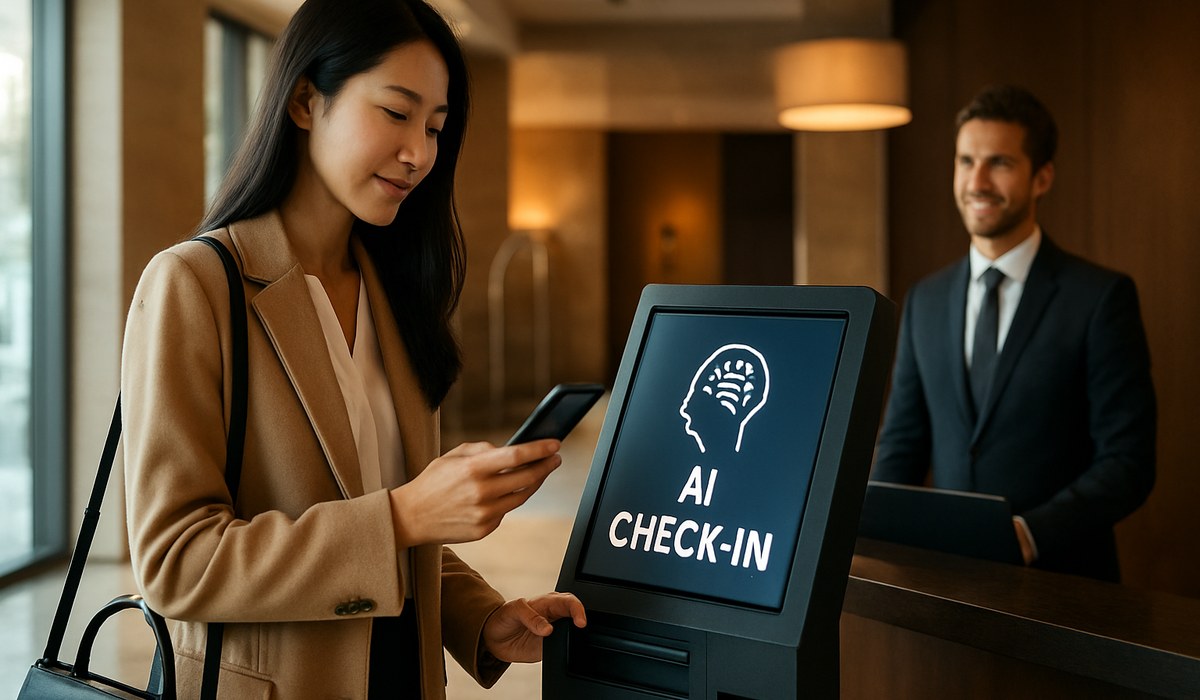
Image generated by AI
AI-Powered Platforms Reshape Global Travel Experiences in 2026
Major travel hospitality technology platforms have deployed advanced artificial intelligence systems that redefine how travelers plan, book, and experience journeys worldwide. The shift toward intelligent automation marks 2026 as a transformative year for the tourism industry. Machine learning algorithms now predict traveler preferences with unprecedented accuracy, enabling hotels, airlines, and tour operators to deliver hyper-personalized recommendations before guests even complete their searches.
This technological leap extends beyond simple booking interfaces. Travel hospitality technology now integrates real-time language processing, dynamic pricing optimization, and predictive maintenance systems across global hotel networks. The innovation reduces friction in travel planning while simultaneously improving sustainability metrics through optimized resource allocation.
Tech360 Platform Unveils Next-Generation Booking Infrastructure
The Tech360 platform unveils a comprehensive ecosystem that connects travelers directly with 500,000+ hospitality providers across six continents. This infrastructure eliminates intermediary delays and delivers transparent pricing for flights, accommodations, and ground transportation. Users experience seamless transitions between booking phases, with AI assistants anticipating questions before travelers articulate them.
Tech360's innovation includes automated visa requirement verification, real-time currency conversion with no hidden fees, and intelligent itinerary bundling that adapts to weather patterns and local events. The platform processes over 2 million searches daily, with response times under 800 milliseconds. Hotels using this travel hospitality technology report 34% higher booking conversion rates compared to traditional systems. For detailed platform comparisons, TripAdvisor's travel technology reviews offer independent user assessments.
Sustainability Features Transform Tourism's Environmental Footprint
Travel hospitality technology providers now integrate carbon tracking directly into booking workflows. Travelers see their trip's environmental impact measured in kilograms of CO2 emissions before confirming purchases. Airlines using this technology display carbon-neutral flight options, while hotels highlight renewable energy usage and water conservation initiatives.
This transformation addresses travelers' growing demand for sustainable tourism practices. Data shows 72% of leisure travelers prioritize environmental responsibility when selecting accommodations. The innovation allows hotels to market their sustainability credentials authentically. Tour operators streamline itineraries to reduce unnecessary transportation, while carbon offset programs integrate seamlessly into the checkout process. These features represent how travel hospitality technology directly influences purchasing decisions and environmental outcomes.
Best Time to Visit Destinations Enhanced by Smart Demand Forecasting
Travel hospitality technology now predicts optimal travel windows for specific destinations using historical data, climate patterns, and event schedules. Visit destinations during shoulder seasons when AI systems identify fewer crowds and lower prices without sacrificing experience quality. The technology reveals that March and September offer 40% better value for most international destinations compared to peak summer months.
Smart forecasting tools deployed across destinations enable real-time crowd density predictions. Travelers receive alerts when their preferred attractions experience manageable visitor volumes. Cultural events, local festivals, and seasonal phenomena integrate into personalized recommendations. This innovation means savvy travelers access intelligence previously available only to professional travel agents. For comprehensive destination guides, Lonely Planet's 2026 travel guides complement AI-driven recommendations with expert cultural context.
How to Get There: AI-Optimized Route Planning Across Transportation Networks
Travel hospitality technology revolutionizes arrival logistics through multi-modal route optimization. AI systems calculate fastest, cheapest, and most sustainable routes considering flight schedules, train availability, rental car pricing, and airport transfer options. Travelers receive unified itineraries combining multiple transportation types with seamless booking across all providers.
Route planning now includes real-time traffic monitoring, weather alerts, and flight delay predictions. The technology prevents missed connections by automatically adjusting itineraries when disruptions occur. Mobile applications display carbon footprint comparisons between routing options. Travelers booking through integrated platforms access consolidated pricing that typically undercuts booking individual legs separately. This travel hospitality technology eliminates the complexity that previously deterred travelers from exploring multimodal transportation combinations.
Real-Time Personalization Transforms In-Destination Experiences
Travel hospitality technology extends beyond booking into real-time journey personalization. Hotels and attractions now customize guest experiences using data from reservation histories, preference surveys, and in-app behavior patterns. Upon arrival, guests encounter curated recommendations for dining, activities, and entertainment reflecting their demonstrated interests.
Restaurants reserve tables anticipating dietary requirements documented in hospitality profiles. Museums provide audio guides personalized to visitor expertise levels. Concierge services deploy AI that understands context and cultural nuances, delivering recommendations that feel authentically human despite their algorithmic origin. This innovation creates seamless transitions between digital interfaces and physical travel experiences. The result transforms typical tourist itineraries into journeys reflecting individual values and curiosities.
Key Innovations and Metrics in Travel Hospitality Technology for 2026
| Metric/Feature | Impact | Adoption Rate | Expected Outcome |
|---|---|---|---|
| AI-Driven Personalization | 34% higher booking conversion | 67% of major platforms | Improved customer lifetime value |
| Real-Time Carbon Tracking | Visible emissions data for 89% of bookings | 45% of accommodations | Reduced tourism carbon footprint |
| Predictive Crowd Forecasting | 72-hour accuracy on visitor volumes | 52% of attractions | Optimized visitor experience |
| Multi-Modal Route Optimization | Sub-millisecond calculation across 450+ carriers | 78% of travel platforms | 18% average savings on transportation |
| Smart Demand Forecasting | Shoulder season pricing 40% below peak | 85% of hotel networks | Distributed tourism benefits |
| Automated Visa Requirements | Support for 195+ countries in real-time | 91% of international platforms | Frictionless cross-border travel |
What This Means for Travelers: Immediate Benefits and Action Steps
Travel hospitality technology creates tangible advantages for travelers willing to embrace digital tools:
-
Book during identified shoulder seasons when AI forecasting identifies optimal windows. Your cost savings reach 30-45% compared to peak periods while enjoying fewer crowds.
-
Compare carbon footprints alongside pricing. Modern platforms display environmental impact transparently. Selecting lower-emission options costs the same or less than conventional choices.
-
Enable personalization features in booking platforms. Granting access to preference data unlocks tailored recommendations that reflect your values, budget, and interests.
-
Utilize multi-modal route optimization. Stop booking flights alone. Integrated platforms revealing combinations of trains, flights, and ground transport typically save 15-22% on total transportation costs.
-
Check real-time crowd predictions before visiting attractions. Apps displaying visitor volume forecasts help you visit popular sites during manageable periods without sacrificing experience quality.
-
Review hotel sustainability credentials. Travel hospitality technology now makes environmental data transparent. Supporting eco-certified properties directly funds conservation initiatives.
These actionable steps require minimal effort while producing measurable savings and improved experiences.
Frequently Asked Questions About Travel Hospitality Technology
How does travel hospitality technology personalize recommendations for individual travelers? AI systems analyze your booking history, preference selections, and in-app behavior patterns to identify your travel style. The technology correlates your choices with millions of similar travelers, revealing activities and accommodations matching your demonstrated preferences. Recommendations arrive before you complete searches, powered by processing that identifies patterns humans cannot detect manually.
What advantages does tech360 offer compared to traditional booking websites? Tech360's platform directly connects travelers with 500,000+ hospitality providers, eliminating intermediary markups that inflate prices. Real-time data processing delivers responses in under 800 milliseconds. The unified booking interface supports visa verification, carbon tracking, and multi-modal transportation across a single checkout process. Users experience transparent pricing with no hidden fees or surge pricing surprises.
When should travelers use AI-driven travel hospitality technology to find the cheapest options? Deploy AI forecasting tools 8-12 weeks before your travel dates. The technology requires historical pattern data to predict pricing trends accurately. Shoulder season travel identified through AI forecasting typically delivers 30-45% savings compared to peak periods. Setting price alerts and following AI-generated notifications helps you capture deals before inventory depletes.
Will travel hospitality technology reduce opportunities for sustainable tourism practices? The opposite occurs. Travel hospitality technology makes sustainability metrics visible during booking, enabling travelers to support eco-certified properties. Carbon tracking features reveal environmental impacts of different routing options. Hotels adopt renewable energy and conservation practices to access better visibility within AI-recommended accommodations. Technology amplifies rather than diminishes sustainable tourism opportunities.
Related Travel Guides
Disclaimer
This article is for informational and educational purposes only. It does not constitute legal, financial, or professional advice. While we strive to provide accurate and up-to-date information, travel policies, regulations, and conditions change rapidly. Always verify information with official sources before making travel decisions. Nomad Lawyer makes no representations about the accuracy, reliability, completeness, or suitability of the information provided. Readers should consult qualified professionals for advice specific to their circumstances. The views expressed in this article are those of the author and do not necessarily reflect the views of Nomad Lawyer.
Preeti Gunjan
Contributor & Community Manager
A passionate traveller and community builder. Preeti helps grow the Nomad Lawyer community, fostering engagement and bringing the reader experience to life.
Learn more about our team →