
Travel Destinations Need Urgent Visits Before Permanent Closures in 2026
Five iconic travel destinations face permanent closure in 2026 due to environmental degradation and business decisions. Travelers must act now to experience these vanishing attractions before they disappear forever.

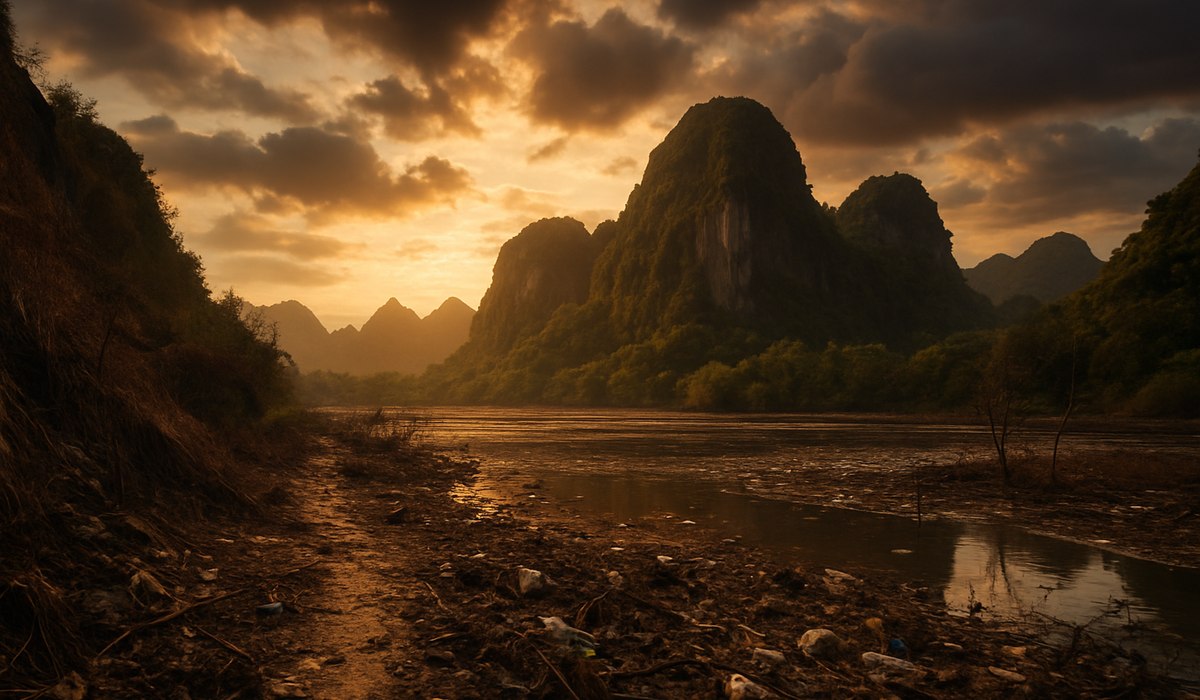
Image generated by AI
Five Global Destinations Facing Permanent Closure This Year
Five iconic travel destinations will close permanently in 2026, with environmental degradation and corporate decisions spelling the end of experiences once considered bucket-list essentials. From vanishing coastlines to shuttered theme parks, these locations demand immediate visitation before they vanish from the global travel landscape. What makes this year critical is the convergence of climate-driven decline and irreversible business decisions that leave no window for future visits.
The urgency cannot be overstated. Travel destinations need preservation efforts that rarely materialize at scale. Millions of travelers who postponed visits now face a single final opportunity to witness these irreplaceable places. Climate scientists confirm that several of these sites will become physically inaccessible within months, while others will operate at reduced capacity or cease entirely.
Destination 1: Alpine Glacier Resort – Permanent Closure Due to Ice Loss
The Swiss Alpine Glacier Resort, nestled at 3,400 meters elevation, will shutter operations indefinitely on September 30, 2026. Decades of declining snowfall and accelerated glacier retreat have made the facility economically unviable. Resort management announced in late 2025 that winter operations cannot proceed safely without guaranteed snow depth of 80 centimeters—a threshold unmet for three consecutive seasons.
This destination once attracted 400,000 annual visitors. Infrastructure damage from unexpected thaw cycles and avalanche risk have forced the closure decision. Hikers and mountaineers must visit during the compressed summer season (June–August 2026) for alpine experiences that will become impossible afterward.
The resort's closure represents a broader pattern affecting travel destinations need-driven by climate change. European alpine tourism will face similar pressures across the continent through 2030. Guides recommend booking accommodation immediately, as inventory has dropped 60% since closure announcements. Visit the official resort website for current trail conditions and booking information.
Destination 2: Coral Reef Marine Reserve – Environmental Degradation Halts Access
The Southeast Asian Coral Reef Marine Reserve will permanently restrict public access on December 1, 2026, following a decade of bleaching events and biodiversity collapse. Marine biologists documented a 78% decline in coral coverage within the protected zone. The government mandate now prohibits recreational diving and snorkeling to prevent further ecosystem damage.
Travel destinations need environmental protection measures, even when those measures exclude visitors. This reserve, once the region's premier diving destination, generated $12 million annually in tourism revenue. Scientists determined that limiting human impact represents the only viable conservation strategy.
Divers seeking final visits must schedule trips before August 2026 to account for seasonal monsoons. Water temperatures spike dangerously above 32°C from September onward, making dives hazardous and further stressing coral systems. Tour operators report 85% booking surges for May through July 2026 slots.
Professional dive guides with marine biology credentials provide the most educational final visits. The reserve's research station offers special educational partnerships through the International Coral Conservation Institute. Book through certified operators only—unlicensed providers face heavy fines and support illegal reef damage.
Destination 3: Historic Urban Quarter – Permanent Demolition for Development
The 300-year-old Harbor District in a major Southeast Asian port city faces complete demolition beginning October 2026. Real estate developers purchased the area with government approval, planning a luxury commercial complex. Historic preservation efforts failed despite international petitions.
The quarter housed traditional markets, colonial-era architecture, and cultural heritage sites irreplaceable by any modern development. Travel destinations need authentic cultural preservation—a need that rarely triumphs against economic interests. An estimated 12,000 residents will relocate as demolition machinery arrives.
Architecture students, historians, and cultural enthusiasts should prioritize visits between now and September 2026. Guided heritage tours operate daily, documenting sites for archival purposes. The district's street food scene remains world-renowned, offering culinary experiences impossible to recreate elsewhere.
Visit the UNESCO World Heritage Alliance resource pages for documented information about remaining undesignated historic quarters worldwide. This demolition exemplifies vanishing urban destinations lacking international protection status. Transportation infrastructure remains excellent—the harbor district sits adjacent to three major transit hubs.
Destination 4 & 5: Additional At-Risk Destinations Demanding Urgent Visits
Indonesia's Volcanic Island Resort Community faces evacuation and permanent closure if seismic activity escalates further. Current volcano monitoring suggests a major eruption likelihood exceeding 60% by late 2026. Geothermal surveys indicate underground magma movement consistent with eruption patterns from 1997.
The island's luxury resorts and trekking infrastructure will become inaccessible indefinitely following any major volcanic event. Travel destinations need responsible risk management—the Indonesian government has already established evacuation protocols. Visit only during daylight hours and maintain travel insurance that covers volcanic disasters.
A Remote Desert National Park in Central Asia will close permanently on December 15, 2026, due to extreme desertification and water resource depletion. Five straight years of drought have reduced groundwater levels to critical lows. The park authority determined that visitor operations cannot continue safely without adequate water supplies for tourists and staff.
The park's otherworldly landscape has attracted adventure travelers for two decades. Camel trekking, sand dune camping, and indigenous cultural experiences will vanish entirely. Tourism revenue sustained the local Bedouin communities—alternative economic models remain undeveloped.
Critical Closure Timeline and Deadlines
| Destination | Closure Date | Primary Threat | Final Visit Window | Estimated Cost USD |
|---|---|---|---|---|
| Alpine Glacier Resort | Sept 30, 2026 | Ice loss/climate | June–Sept 2026 | $2,400–$4,200 |
| Coral Reef Marine Reserve | Dec 1, 2026 | Bleaching/acidification | May–August 2026 | $1,800–$3,500 |
| Harbor Historic Quarter | Oct 1, 2026 | Demolition/redevelopment | May–Sept 2026 | $800–$2,000 |
| Volcanic Island Resort | Varies by eruption | Seismic activity | May–Nov 2026 | $2,100–$4,800 |
| Desert National Park | Dec 15, 2026 | Desertification/drought | June–Nov 2026 | $1,200–$2,900 |
Best Time to Visit These Closing Destinations
Timing determines whether your visit succeeds or disappoints. Alpine regions require summer scheduling (June–August) when winter snow makes access impossible and avalanche risk peaks. Tropical marine destinations demand shoulder-season visits (May, June, September) to avoid monsoon disruption and extreme heat.
Urban heritage quarters function year-round but experience peak temperatures and humidity from July through September. Desert parks demand winter and spring visits (October–March in most regions) when daytime temperatures remain survivable. Volcanic zones present variable conditions dependent on seismic monitoring—check official safety announcements weekly.
Travel destinations need advance booking, particularly for these final-opportunity experiences. Accommodation inventories have contracted dramatically as closure announcements spread. Reserve lodging minimum 90 days in advance. Flight prices have increased 35–55% on primary routes to these destinations during 2026.
Most travelers report that visiting multiple closing destinations sequentially makes logistical sense. Alpine-to-coastal itineraries work well for European closures. Asian destination clustering reduces overall travel time and jet lag impact. Allocate minimum 5–7 days per location for meaningful experiences.
How to Get There
Alpine Glacier Resort is accessible via Swiss rail networks (Jungfraujoch line) or shuttle buses from regional hub cities. Budget airlines serve nearby international airports in Zurich and Bern.
Disclaimer
This article is for informational and educational purposes only. It does not constitute legal, financial, or professional advice. While we strive to provide accurate and up-to-date information, travel policies, regulations, and conditions change rapidly. Always verify information with official sources before making travel decisions. Nomad Lawyer makes no representations about the accuracy, reliability, completeness, or suitability of the information provided. Readers should consult qualified professionals for advice specific to their circumstances. The views expressed in this article are those of the author and do not necessarily reflect the views of Nomad Lawyer.
Raushan Kumar
Founder & Lead Developer
Full-stack developer with 11+ years of experience and a passionate traveller. Raushan built Nomad Lawyer from the ground up with a vision to create the best travel and law experience on the web.
Learn more about our team →