
Travel Chaos Phoenix Sky Harbor Disrupts 163 Flights Across US
A major operational disruption at Phoenix Sky Harbor on April 11, 2026 grounded 163 flights and cascaded delays across the US domestic network, affecting travelers on critical routes to Chicago, New York, and Los Angeles.

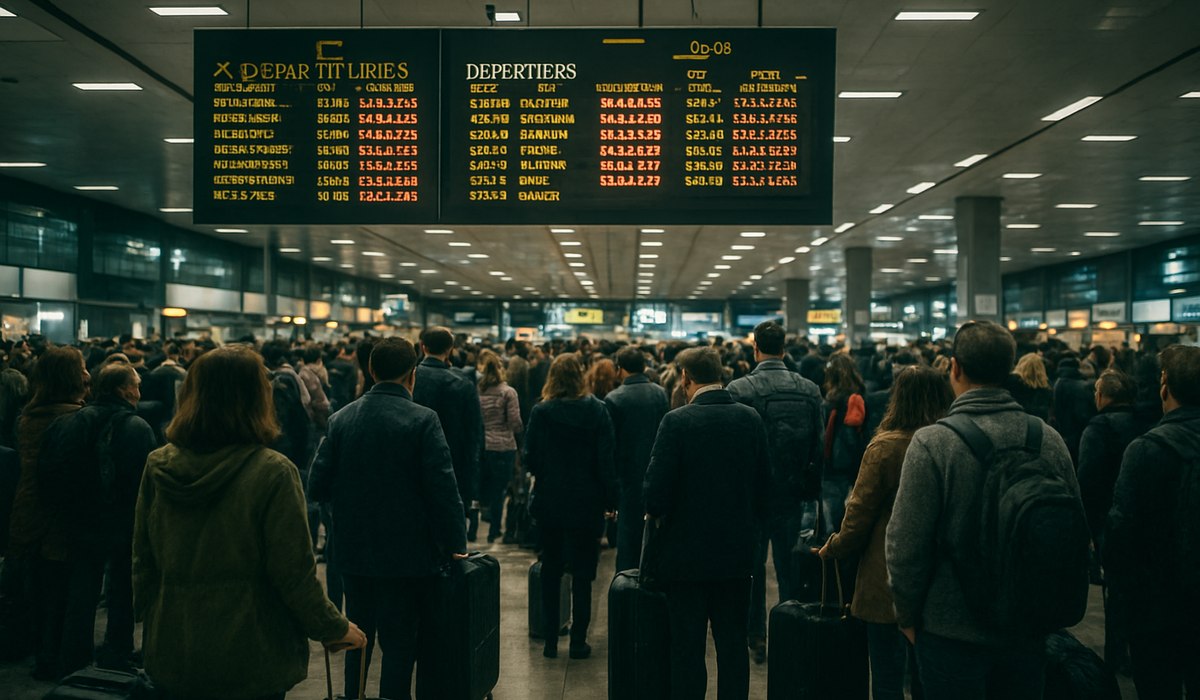
Image generated by AI
Major Phoenix Airport Disruption Cascades Across US Network
Phoenix Sky Harbor International Airport experienced significant operational turmoil on April 11, 2026, when 163 flights faced delays and at least two cancellations rattled travel schedules across America's busiest domestic corridors. The disruption at this critical desert hub rippled through connecting flights nationwide, stranding passengers and creating a cascade effect that extended well beyond Arizona's borders. Airlines including American, Southwest, and JetBlue bore the brunt of the disruption, with aircraft headed to Chicago O'Hare, Midway, New York-area airports, and Los Angeles International facing extended ground holds. The travel chaos phoenix experienced that day underscores how vulnerabilities at a single major hub can destabilize connections for hundreds of thousands of travelers across the entire US network.
Delays Ripple Across Key Domestic Hubs
The April 11 disruption hit three of America's most congested flight corridors simultaneously. Flights from Phoenix to Chicago, New York, and Los Angeles account for enormous passenger volumes daily, making these routes particularly susceptible to network-wide effects when operations falter at the origin airport.
Phoenix Sky Harbor functions as a critical western hub in multiple carriers' continental networks. When departures fall behind schedule at this strategic node, delays compound exponentially across downstream connections. A two-hour ground hold in Phoenix translates into missed connections in Denver, Dallas, and San Francisco within hours. Travelers booked on cross-country itineraries faced the nightmare scenario of watching their flight arrive late enough to miss their connection, forcing expensive rebookings or overnight hotel costs.
Flight-tracking data revealed that the busiest hours for Phoenix departures—roughly 6 AM to 9 AM and 4 PM to 7 PM—concentrated the most severe disruptions. Aircraft repositioning challenges and crew duty-time limitations prevented quick recovery even after the initial operational constraint cleared. Learn more about hub-and-spoke network vulnerabilities.
How a Regional Disruption Becomes a Network Crisis
Understanding why a single airport's operational hiccup can paralyze travelers coast-to-coast requires examining how modern aviation networks function. US carriers operate hub-and-spoke systems where major airports like Phoenix act as junction points funneling flights to dozens of destinations.
When Phoenix Sky Harbor experiences capacity constraints—whether from weather, staffing shortages, or ramp restrictions—aircraft queue on taxiways and gates become unavailable. This gridlock prevents other flights from pushing back, creating a domino effect. A gate-hold in Phoenix at 7 AM might delay a Chicago departure, which then arrives too late for its next leg to Boston, affecting travelers who never stepped foot in Arizona.
The travel chaos phoenix generated on April 11 exemplified this multiplier effect. Most affected carriers maintained their delayed flights rather than canceling outright, hoping to recover schedule integrity. This decision, while reducing cancellations, meant passengers endured rolling delays stretching into the evening. Industry analysts note that such recovery windows rarely materialize during peak travel periods when subsequent flights already fill available slots. Research from MIT's Global Engineering and Research Lab documents how network delays propagate through interconnected hub systems.
Airlines and Carriers Most Affected
American Airlines, Southwest Airlines, and JetBlue Airways bore primary operational responsibility for managing the disruption at Phoenix. These carriers maintain significant schedule presence at Sky Harbor, with American and Southwest particularly dependent on the airport for westbound connections.
American Airlines operates one of its largest connection facilities in Phoenix, routing thousands of daily passengers through the hub. The carrier's delays cascaded most severely along routes to Dallas/Fort Worth, its largest hub, creating secondary disruptions at another major network node. Southwest, with substantial Phoenix-based operations, faced challenges across its entire day of service as aircraft failed to reposition for subsequent flights.
JetBlue, while smaller at Phoenix, nevertheless absorbed customer service impacts from missing connections and irregular operations. All three carriers activated their emergency communication protocols, issuing travel waivers and rebooking passengers without additional fees. However, accommodations—such as hotel rooms and meal vouchers—faced immediate shortages as hundreds of travelers sought assistance simultaneously.
The operational strain extended beyond flight crews to ground staff, baggage handlers, and customer service representatives working extended shifts to process rebookings and address traveler concerns. Airport concession operators and security personnel similarly absorbed elevated workload demands throughout the disruption window.
Cascading Impact on Cross-Country Connections
Cross-country travelers experienced the most severe impacts, as passengers booked on multi-leg itineraries faced cascading misconnections spreading across 48 hours. A passenger ticketed from Phoenix to New York with a connection through Chicago found their Phoenix departure delayed three hours, guaranteeing a missed Chicago connection and forcing overnight rerouting through Dallas or another alternate hub.
This scenario repeated hundreds of times on April 11. The travel chaos phoenix created extended well beyond the initial disruption window because aircraft and crews remained out of position for subsequent days of service. Airlines required 24-36 hours to fully normalize schedules after the initial constraints cleared.
Passenger experiences reflected the severity: crowded customer service desks with 90-minute wait times, exhausted airline employees processing rebookings with limited availability, and travelers sleeping in airport terminals because hotel rooms sold out within hours. Social media platforms filled with frustrated accounts from passengers stranded far from their destinations. Airline customer service data from the Department of Transportation typically tracks such disruption impacts quarterly.
Key Disruption Data Table
| Metric | Figure | Impact |
|---|---|---|
| Total Flights Delayed | 163 | Major network disruption |
| Flights Canceled | 2+ | Limited cancellations maintained |
| Primary Routes Affected | Chicago, New York, LA | Busiest domestic corridors |
| Ground Hold Duration | 2-4 hours | Extended schedule recovery period |
| Estimated Passengers Impacted | 25,000+ | Cross-country network ripple |
| Airlines Most Affected | American, Southwest, JetBlue | Primary hub carriers |
| Recovery Timeline | 24-36 hours | Crew/aircraft repositioning delays |
| Secondary Hub Impacts | Dallas, Denver, San Francisco | Downstream connection failures |
What This Means for Travelers
The April 11 disruption at Phoenix Sky Harbor illustrates critical vulnerabilities in America's hub-dependent aviation system. Passengers planning future travel should implement protective strategies:
-
Avoid tight connections through Phoenix. Book minimum 2-hour connection windows when connecting through Sky Harbor, compared to 90 minutes at smaller airports. Hub concentration risk increases with tight schedules.
-
Monitor operational status proactively. Download your airline's app and enable push notifications. Check FlightAware 24 hours before departure to identify emerging patterns suggesting potential disruptions.
-
Purchase travel insurance selectively. Standard airline disruption coverage proves limited, but third-party travel insurance covering missed connections provides valuable protection on important trips.
-
Understand your carrier's disruption policies. Most US airlines offer meal vouchers and rebooking but rarely provide cash compensation for weather-related or operational delays. European regulations offer stronger passenger protections.
-
Book direct flights when feasible. Eliminating connections removes secondary disruption exposure. Premium pricing for direct routing pays dividends during network disruptions like the Phoenix travel chaos.
-
Establish airport arrival buffers. Arrive 3 hours before cross-country departures from major hubs, providing time to address last-minute changes or rebooking needs.
Frequently Asked Questions
What caused the April 11 disruption at Phoenix Sky Harbor? Official reports identified operational constraints affecting ramp capacity and gate availability, though specific causes—weather, staffing, or air traffic restrictions—weren't immediately disclosed. The disruption cascaded rapidly across the entire
Preeti Gunjan
Contributor & Community Manager
A passionate traveller and community builder. Preeti helps grow the Nomad Lawyer community, fostering engagement and bringing the reader experience to life.
Learn more about our team →