
Phoenix Sky Harbor Flight Disruptions: 163 Delays Hit Arizona Hub April 11
Phoenix Sky Harbor International Airport recorded 163 flight disruptions on April 11, 2026, stranding thousands of passengers across domestic routes and cascading delays to regional airports nationwide.

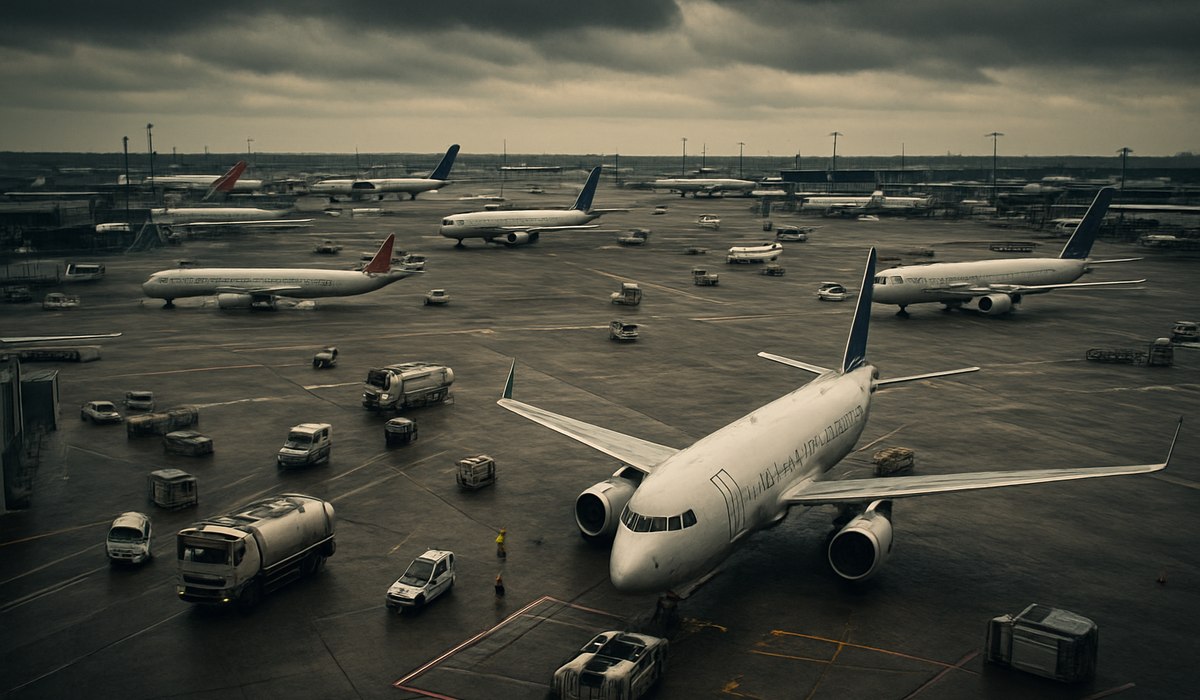
Image generated by AI
Arizona's Busiest Airport Grinds to a Halt
Phoenix Sky Harbor International Airport documented 163 flight disruptions on April 11, 2026, affecting thousands of passengers traveling through one of the nation's most critical aviation hubs. The cascading delays rippled across domestic routes linking Phoenix with major West Coast, Midwest, and Mountain West cities, while upstream controls at departure airports nationwide prevented additional flights from even reaching Arizona airspace.
System-Wide Snarl: How One Day Paralyzed Arizona's Busiest Hub
The April 11 disruptions unfolded systematically across both arrivals and departures, with delays intensifying through morning hours and peaking during afternoon travel surges. Flight-tracking data revealed that dozens of departures departed significantly behind schedule, while inbound traffic circled in holding patterns or faced slowdowns at origin airports before even departing.
The 163 affected flights concentrated heavily on short-haul regional connections and domestic trunk routes. Even minor schedule compression at Sky Harbor triggered immediate downstream consequences at smaller regional airports throughout the Southwest. This operational strain manifested in uneven passenger flows through security checkpoints, gates, and baggage claim areas—alternating between quiet periods and sudden surges as delayed aircraft clusters arrived within compressed timeframes.
Critically, upstream impacts extended far beyond Arizona borders. Several flights originating in other states were held at their departure points due to rate reductions flowing into Phoenix. This invisible delay component meant significant portions of the day's disruptions never appeared on Phoenix departure boards, despite direct causation from Sky Harbor conditions.
Cascading Effects: Upstream Delays Reach Beyond Phoenix
The knock-on effects of phoenix sky harbor flight disruptions revealed how interconnected modern aviation networks truly are. Air traffic control agencies implemented ground delay programs for flights destined to Phoenix from across the country, effectively spreading the disruption nationwide.
Short-haul regional connections proved especially vulnerable to schedule volatility. Passengers relying on Phoenix as a connecting hub faced missed downstream flights when inbound legs ran 30-45 minutes late. Evening departure options proved limited for rebooking, as many secondary market routes operate single daily frequencies. This limitation forced travelers to either spend nights in Phoenix or accept significant routing changes through alternative hubs.
The baggage handling system buckled under the strain as delayed aircraft arrived in clusters. Bags on disrupted services experienced extended carousel delays, compounding passenger frustration. Ground transportation and concession operations maintained standard service levels despite the operational chaos, providing minimal relief for stranded travelers.
Weather, Congestion and Schedule Pressures Converge
A convergence of atmospheric conditions and operational constraints triggered the April 11 disruptions. Low cloud ceilings and variable wind patterns reduced Phoenix's acceptable arrival and departure rates, forcing air traffic controllers to implement flow restrictions.
When visibility or ceiling conditions deteriorate, controllers mandatorily reduce allowable hourly aircraft movements. Even modest capacity reductions strain schedules choreographed to near-maximum efficiency. Aircraft receive controlled departure times, spending additional minutes at gates or on taxiways awaiting available slots into Phoenix airspace.
Phoenix's role as a major connecting hub magnifies disruption impacts. Brief ground delay programs or minor weather events that smaller airports absorb easily cascade through multiple connecting flight banks. Late-arriving aircraft cycle forward into subsequent departures, carrying accumulated delay minutes deeper into operational day.
Regional climate patterns increasingly pressure Sky Harbor's operating margins. Spring temperatures show upward historical trends, while dust and haze events create periodic visibility reductions. April conditions, while not featuring singular dramatic weather events, fit patterns of eroding operational buffer that periodically strain airport capacity.
The Domino Effect on Regional Connections
Short-haul regional services experienced disproportionate disruption impacts during April 11 operations. Flights connecting smaller Mountain West and Midwest airports faced the highest cancellation and delay rates, as Sky Harbor's reduced capacity forced triage favoring longer-haul trunk routes.
Connecting passengers faced particularly acute challenges. A passenger booked on an inbound flight arriving 30 minutes late would almost certainly miss a connecting flight, especially for evening departures. Many regional routes operate single daily flights, eliminating same-day rebooking options.
The FlightAware tracking system captured real-time ripple effects across regional airports. Denver International, Las Vegas, and Phoenix-area regional fields all experienced secondary delays as Phoenix-based aircraft were unable to depart on schedule. This cascading pattern continued for 8-10 hours as the operational system gradually absorbed the initial disruption.
Traveler Action Checklist
If traveling through Phoenix Sky Harbor during operational disruptions, follow these essential steps:
-
Check real-time flight status using FlightAware or your airline's app 30 minutes before departure.
-
Monitor email and SMS alerts from your airline for status updates, gate changes, and delay announcements.
-
Visit customer service desks early if your flight experiences delays exceeding 60 minutes—rebooking options diminish rapidly as delays compound.
-
Photograph your boarding pass and itinerary details for documentation purposes regarding compensation claims.
-
Document all expenses related to delays, including meals, lodging, and ground transportation, with dated receipts for DOT compensation claims.
-
Know your passenger rights by reviewing US DOT airline passenger protection regulations before departure.
-
Request written delay documentation from your airline upon arrival, noting departure and arrival times for official records.
What This Means for Travelers
The April 11 disruptions underscore critical vulnerabilities in Phoenix Sky Harbor's operational capacity during adverse conditions. Travelers transiting Phoenix should build 2-3 hour layover buffers during spring months when weather variability increases disruption risk.
Regional connecting passengers face outsized vulnerability, as single-frequency routes eliminate rebooking flexibility. Consider routing through larger hubs like Denver or Salt Lake City during uncertain weather periods. Travelers with tight connections should proactively request rebooking options before boarding, ensuring documented alternatives if primary flights face delays.
The Federal Aviation Administration (FAA) continues monitoring Phoenix Sky Harbor's operational performance and weather patterns. Passengers experiencing flight disruptions qualify for compensation under Department of Transportation rules for cancellations and lengthy delays.
FAQ
What causes such large-scale flight disruptions at Phoenix Sky Harbor?
Phoenix disruptions typically result from weather-driven capacity reductions, where lower ceilings or visibility force air traffic controllers to reduce allowable hourly aircraft movements. When Sky Harbor reduces arrivals/departures by even 10-15%, delays cascade system-wide because schedules operate at near-maximum efficiency margins.
How do Phoenix delays affect flights departing from other cities?
Flights originating in other states destined for Phoenix receive "ground stop" assignments, preventing departure until Phoenix can accept them. This creates invisible delays—passengers never see them on departure boards, but they're directly caused by Phoenix congestion or weather.
Can I get compensation for missing a connection due to Phoenix delays?
Yes. Document the cause and contact your airline for compensation under DOT rules. If the airline rebooking places you overnight, they must provide meals and lodging. Carriers cannot charge change fees for airline-caused delays, regardless of whether they're upstream or at destination.
Which airlines were most affected by April 11 disruptions?
All carriers operating Phoenix Sky Harbor experienced delays proportional to their flight schedules. Southwest Airlines, American Airlines, and United Airlines operate the largest Phoenix flight volumes, so their passengers represented the highest absolute disruption numbers.
Key Operational Data
| Metric | April 11, 2026 |
|---|---|
| Total Flight Disruptions | 163 delays/cancellations |
| Peak Disruption Hours | 2:00 PM - 5:30 PM |
| Affected Passengers |
Preeti Gunjan
Contributor & Community Manager
A passionate traveller and community builder. Preeti helps grow the Nomad Lawyer community, fostering engagement and bringing the reader experience to life.
Learn more about our team →