
Travel Chaos Grips Vancouver Airport With 52+ Flight Delays Across Routes
Travel chaos grips Vancouver International Airport on April 14, 2026, as 52+ delayed flights disrupt North American and Asia-Pacific connections. Air Canada, WestJet, Delta, and United affected.

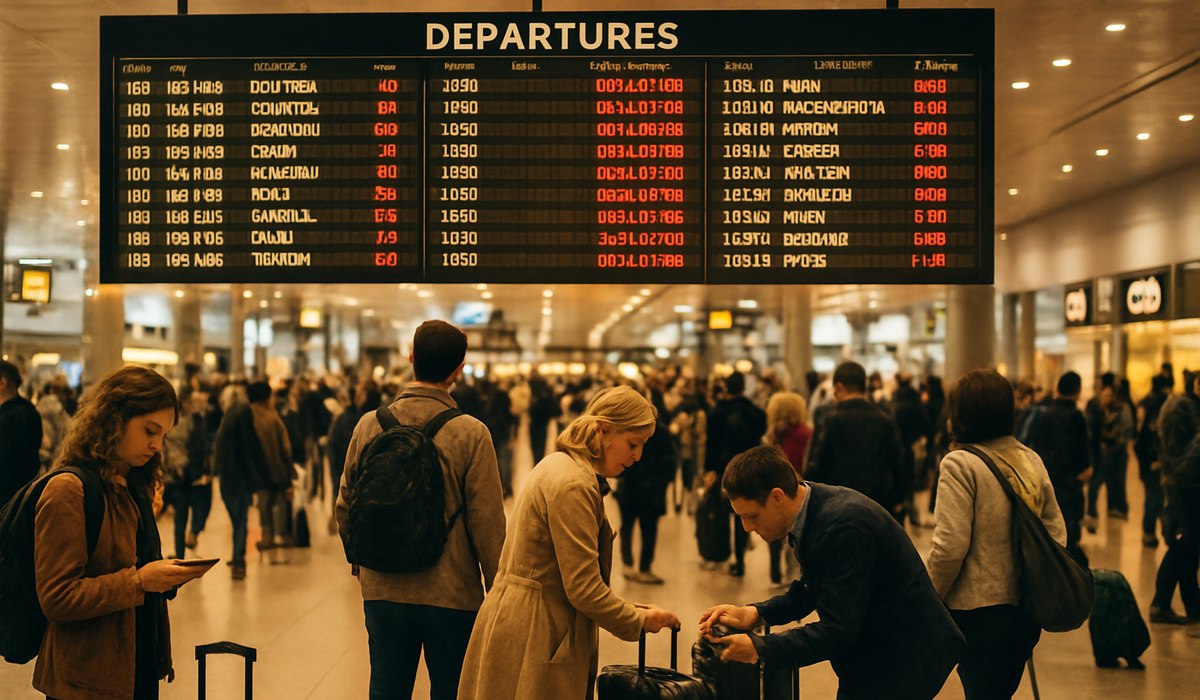
Image generated by AI
Major Disruption Halts Vancouver Airport Operations
Vancouver International Airport ground to a halt on April 14, 2026, as travel chaos grips the facility with more than 52 delayed departures and multiple cancellations. The disruption affects critical North American routes and long-haul services to Asia-Pacific destinations including Hong Kong, Sydney, Taipei, and Shanghai. Flight tracking data reveals cascading delays affecting thousands of passengers attempting to connect onward to major international hubs, creating ripple effects across North American and transpacific air networks.
The operational breakdown stems from a combination of aircraft rotation delays, crew scheduling pressures, and inbound flight timing issues from other Canadian airports. Vancouver's role as a strategic gateway between North America and Asia-Pacific makes even modest disruptions particularly damaging to connecting itineraries.
Dozens of Flights Disrupted Across Key International Routes
Flight tracking dashboards documented approximately 52 delayed departures from Vancouver on April 14, with at least two confirmed cancellations adding to passenger frustration. Both short-haul North American services and long-haul Asia-Pacific flights experienced schedule slippages ranging from 30 minutes to several hours.
The delays particularly impacted connections to U.S. gateway cities including San Francisco, Los Angeles, Seattle, and Chicago—critical transfer points for passengers continuing to Sydney, Bangkok, and other Australian and Southeast Asian destinations. Nonstop services from Vancouver to Hong Kong and Shanghai also experienced late departures, creating potential curfew conflicts at destination airports with restricted night landing slots.
Real-time tracking via FlightAware revealed multiple aircraft arriving behind schedule into Vancouver from other Canadian hubs, which subsequently caused outbound flight delays. This snowball effect demonstrates how disruption at one airport cascades throughout interconnected air networks.
Major Carriers Affected: Air Canada, WestJet, Delta and United
Air Canada, the dominant carrier at Vancouver International Airport, reported the highest concentration of delayed departures. The airline's core domestic and transborder routes feeding its international network all experienced schedule disruptions, with multiple flights to U.S. connection points delayed by one to three hours.
WestJet similarly struggled with operational challenges, with several aircraft arriving late from disrupted Canadian airports including Toronto Pearson and Edmonton. These inbound delays directly triggered cascading departures from Vancouver to leisure destinations in the United States and Mexico.
Delta Air Lines and United Airlines both operate competitive transpacific and U.S. gateway services from Vancouver. Their reliance on aircraft rotations from other North American airports meant they bore the brunt of propagating delays from Toronto, Montreal, and Edmonton disruptions.
Codeshare partnerships complicated passenger communications, as single delayed flights appeared under multiple airline codes. Travelers booked with international partners often experienced unexpected disruptions despite holding tickets from seemingly unaffected carriers.
Knock-On Impacts for Connecting Passengers to Asia and Australia
Travel chaos grips connecting itineraries most severely, as Vancouver functions as the primary North American gateway to Asia-Pacific destinations. Passengers targeting Hong Kong, Taipei, Shanghai, and Sydney faced serious missed connection risks when Vancouver departures slipped beyond minimum connection windows.
Delays of two to three hours from Vancouver made it impossible for passengers to meet onward long-haul departures from San Francisco, Los Angeles, or Seattle. Many travelers faced unplanned overnight stays, requiring emergency rebookings on flights 24 to 48 hours later or rerouting through alternative gateways including San Diego or Portland.
Nonstop Vancouver-Hong Kong and Vancouver-Shanghai services created concentrated disruption at the Canadian departure point. Late arrivals in Asia-Pacific destinations created missed ground transport connections, hotel check-in delays, and potential conflicts with curfew-restricted landing windows at Asian airports.
The cumulative impact on passenger journeys extended beyond 24 hours, with Australian connections proving especially vulnerable. A 90-minute delay from Vancouver could trigger 8 to 12 hours of total journey disruption when accounting for minimum connection requirements and rebooking availability.
Wider Disruption Pattern Across Canadian Airport Network
Vancouver's April 14 disruption reflects systemic strain affecting Canada's entire aviation network. Toronto Pearson, Montreal Trudeau, and Edmonton International all reported elevated delay concentrations simultaneously, indicating network-wide operational challenges rather than localized issues.
Seasonal travel demand combined with staffing constraints across major Canadian airports created perfect conditions for cascading disruptions. Air Canada's significant presence across all major Canadian hubs meant single operational issues quickly multiplied across the network.
The pattern suggests structural capacity constraints at key Canadian airports during peak travel periods. Industry observers note that even moderate delays at hub airports rapidly escalate when flights feed into transcontinental and transpacific services with tight connection windows.
Weather monitoring and runway capacity limitations at Vancouver during the disruption period indicate standard operational challenges rather than emergency situations. However, these routine pressures exposed insufficient buffer capacity in North American aviation networks.
Live Flight Status and Real-Time Tracking
Passengers seeking current flight information should reference official airline websites and flight tracking services. FlightAware provides real-time departure and arrival data for all commercial flights from Vancouver International Airport, including current delay estimates and cancellation notices.
The FAA publishes ground delay information for U.S. destination airports, while Transport Canada maintains operational data for all Canadian airports. Individual airline websites display passenger-specific booking information and rebooking options.
Travelers should verify connection times before rebooking, particularly for international itineraries. Many airlines automatically rebook missed connections on subsequent flights without requiring passenger intervention, though this process may take 24 to 48 hours to process.
Key Disruption Data: April 14, 2026
| Metric | Figure |
|---|---|
| Delayed Departures | 52+ flights |
| Confirmed Cancellations | 2+ flights |
| Primary Affected Airlines | Air Canada, WestJet, Delta, United |
| Key U.S. Gateways Impacted | San Francisco, Los Angeles, Seattle, Chicago |
| Asia-Pacific Destinations Affected | Hong Kong, Shanghai, Taipei, Sydney |
| Delay Duration Range | 30 minutes to 3+ hours |
| Secondary Canadian Hubs Disrupted | Toronto Pearson, Montreal Trudeau, Edmonton |
| Peak Disruption Duration | Approximately 8-12 hours |
| Cascading Network Impact | Toronto, San Francisco, Los Angeles, Seattle |
What This Means for Travelers
Travel chaos grips passengers holding Vancouver connections on multiple fronts. Here are essential actions:
1. Check Your Flight Status Immediately Verify current departure times via your airline's website or FlightAware before heading to the airport. April 14 disruptions created widespread delays, so arriving early remains prudent for all departures.
2. Contact Your Airline About Connection Options If your outbound flight connects from Vancouver to Asia-Pacific, call your airline's customer service immediately. Airlines often proactively rebook passengers at risk of missing connections, preventing costly missed flights.
3. Review Passenger Rights Under Applicable Law The U.S. Department of Transportation enforces passenger protections for U.S. flights, while Transport Canada governs Canadian services. Both agencies mandate compensation for certain delays exceeding specific duration thresholds.
4. Document All Expenses Related to Delays Retain receipts for meals, hotels, ground transportation, and phone calls when delays force overnight stays or rerouting. You may pursue compensation claims against airlines or travel insurance policies.
5. Monitor Airport Conditions Before Travel Check real-time updates on Vancouver International Airport's website and your airline's social media channels. Disruptions sometimes continue into subsequent days as networks clear accumulated delays.
Disclaimer
This article is for informational and educational purposes only. It does not constitute legal, financial, or professional advice. While we strive to provide accurate and up-to-date information, travel policies, regulations, and conditions change rapidly. Always verify information with official sources before making travel decisions. Nomad Lawyer makes no representations about the accuracy, reliability, completeness, or suitability of the information provided. Readers should consult qualified professionals for advice specific to their circumstances. The views expressed in this article are those of the author and do not necessarily reflect the views of Nomad Lawyer.
Raushan Kumar
Founder & Lead Developer
Full-stack developer with 11+ years of experience and a passionate traveller. Raushan built Nomad Lawyer from the ground up with a vision to create the best travel and law experience on the web.
Learn more about our team →