
Global Travel Alert 2026: Rising Risks of Kidnapping and Drink-Spiking in Major Tourism Hubs
New 2026 security advisories warn travelers of increased risks of kidnapping, murder, and drink-spiking robberies across popular beach and nightlife destinations in Mexico, the Philippines, and Colombia.

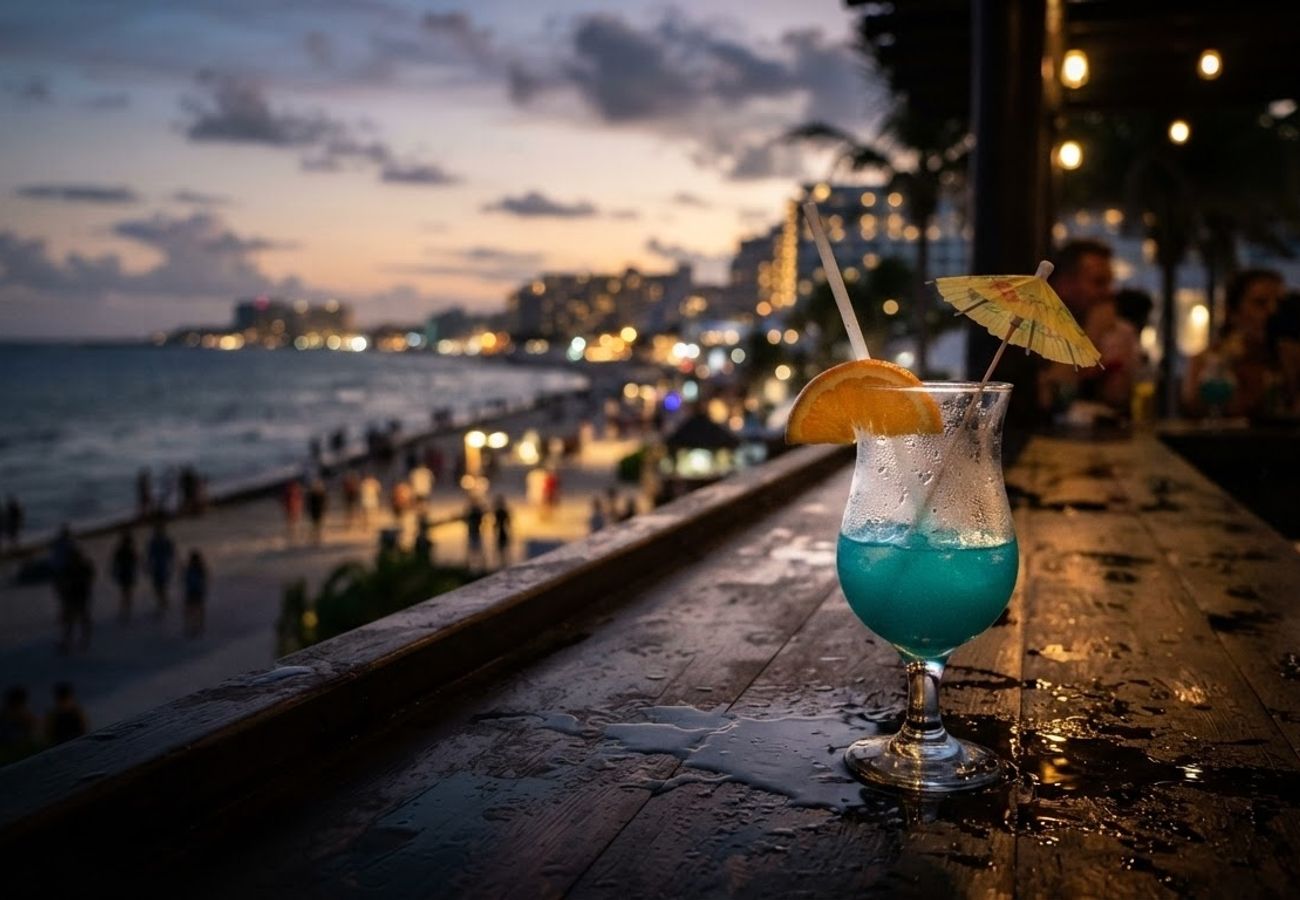
Image generated by AI
Recent government advisories reveal a surge in high-impact violent crimes, including targeted kidnappings and chemically induced robberies, across global vacation hotspots.
Violent Crime Trends in International Tourism Magnets
Updated consular data and government advisories from late 2026 indicate a volatile security environment in several high-traffic tourist destinations. On September 1, 2026, the Philippines' advisory was elevated to Level 2 ("Exercise Increased Caution"), specifically citing risks of terrorism, unrest, and kidnapping or hostage-taking. While many areas remain safe, robberies, physical assaults, and homicides are persistent concerns, particularly in southern regions that serve as gateways to popular diving and beach locations.
Similar security patterns are documented in Kenya, Colombia, and Mexico. In these regions, rapid growth in tourism infrastructure has outpaced the capacity of local policing and judicial systems. Security analysts note that organized criminal groups frequently view international visitors as high-value targets due to perceived wealth and a lack of local situational awareness.
The Rise of Chemically Induced Robberies
A critical emerging threat identified in August 2026 briefings is the "spiked-drink robbery." Unlike petty theft, these are high-impact crimes where travelers are incapacitated via food or drink to facilitate robbery or sexual assault.
These incidents are concentrated in major nightlife corridors, including:
- Mexico: Cancun and Playa del Carmen
- Brazil: Rio de Janeiro
- Colombia: Cartagena
- Thailand: Bangkok and Phuket
- Philippines: Manila
- Europe: Various island party resorts
Official guidance from the UK and Australian governments now includes explicit warnings regarding these tactics. In Colombia, reports highlight the use of scopolamine to render victims compliant, often occurring in bars, public spaces, or during meetups arranged via dating apps. Once incapacitated, victims are frequently stripped of valuables and their bank accounts are emptied before they are abandoned or moved to isolated locations.
Regional Risk Specifications and Hotspots
The disparity between luxury resort environments and surrounding urban areas creates a "dual reality" for travelers. In the Mexican Caribbean, for example, gated complexes remain heavily policed, but risks spike in specific nightlife clusters.
High-Risk Zone Mapping
| Region/City | Primary Threat Type | Specific High-Risk Areas | Risk Level/Note |
|---|---|---|---|
| Cancun, Mexico | Spiking & Assault | Hotel Zone (km 8 to 10) | High in nightlife clusters |
| S. Jose del Cabo | Armed Conflict | Access roads near Int'l Airport | Volatile/Situational |
| Mindanao/Sulu | Kidnapping | Southern Philippines | High risk of hostage-taking |
| Colombia | Chemical Spiking | Urban bars & Dating app meets | Use of scopolamine |
| Playa del Carmen | Robbery/Assault | Downtown nightlife districts | Targeted tourist theft |
In June 2026, the U.S. mission in Mexico issued a security alert following armed clashes between criminal elements and security forces near San Jose del Cabo International Airport. While the violence occurred outside primary hotel zones, the alert emphasized that travelers using access roads to Cabo San Lucas remain exposed to sudden escalations.
Traveler Logistics Guide: Navigating High-Risk Zones
From a ground-level perspective, the best way to navigate these regions is to treat security as a logistical component of the trip rather than an afterthought.
Nightlife and Social Security
- Beverage Control: Never leave a drink unattended, even for a moment. Only accept drinks that you have seen poured or sealed.
- Stranger Danger: Be extremely cautious with "open containers" offered by strangers. In cities like Cartagena or Manila, avoid meeting individuals from dating apps in private or secluded locations.
- Transport Logistics: Avoid hailing unregulated taxis on the street, especially late at night. Use hotel-sanctioned transport or reputable ride-sharing apps with tracked GPS.
Movement and Transit
- Airport Transfers: In regions like Cabo San Lucas, coordinate transfers through recognized providers. Avoid using unofficial "airport taxis" that may lead travelers through volatile access roads.
- Route Planning: If traveling overland in Mexico or the Philippines, avoid remote regions not designated as primary tourist zones. Stick to established transit corridors and check real-time local intelligence.
- Digital Safety: Use a VPN and avoid displaying high-value electronics or large amounts of cash in public transport hubs.
Infrastructure and Connectivity Impact
The persistence of these crimes creates a fragmented tourism experience. While all-inclusive resorts act as "security bubbles," the broader regional connectivity is hampered by the need for increased militarization of transit routes. This shift forces a reliance on curated "tourism corridors," limiting the growth of independent local businesses outside these protected zones. For the traveler, this means a safer but more restrictive experience, where venturing "off-path" carries a significantly higher risk profile.
Stay vigilant and prioritize verified transit over opportunistic convenience.
Related Travel Guides
Disclaimer
This article is for informational and educational purposes only. It does not constitute legal, financial, or professional advice. While we strive to provide accurate and up-to-date information, travel policies, regulations, and conditions change rapidly. Always verify information with official sources before making travel decisions. Nomad Lawyer makes no representations about the accuracy, reliability, completeness, or suitability of the information provided. Readers should consult qualified professionals for advice specific to their circumstances. The views expressed in this article are those of the author and do not necessarily reflect the views of Nomad Lawyer.
Naina Thakur
Contributor & Travel Specialist
Travel enthusiast and legal writer covering visa regulations, responsible tourism, and cultural journeys across global destinations.
Learn more about our team →