
Togo Slashes Airline Entry Costs by 98% to Position Lomé as West Africa's Premier Aviation Hub in 2026
Togo's National Civil Aviation Agency (ANAC) has reduced Air Operator Certificate costs by 98%, aiming to attract new carriers and increase regional connectivity through Lomé.
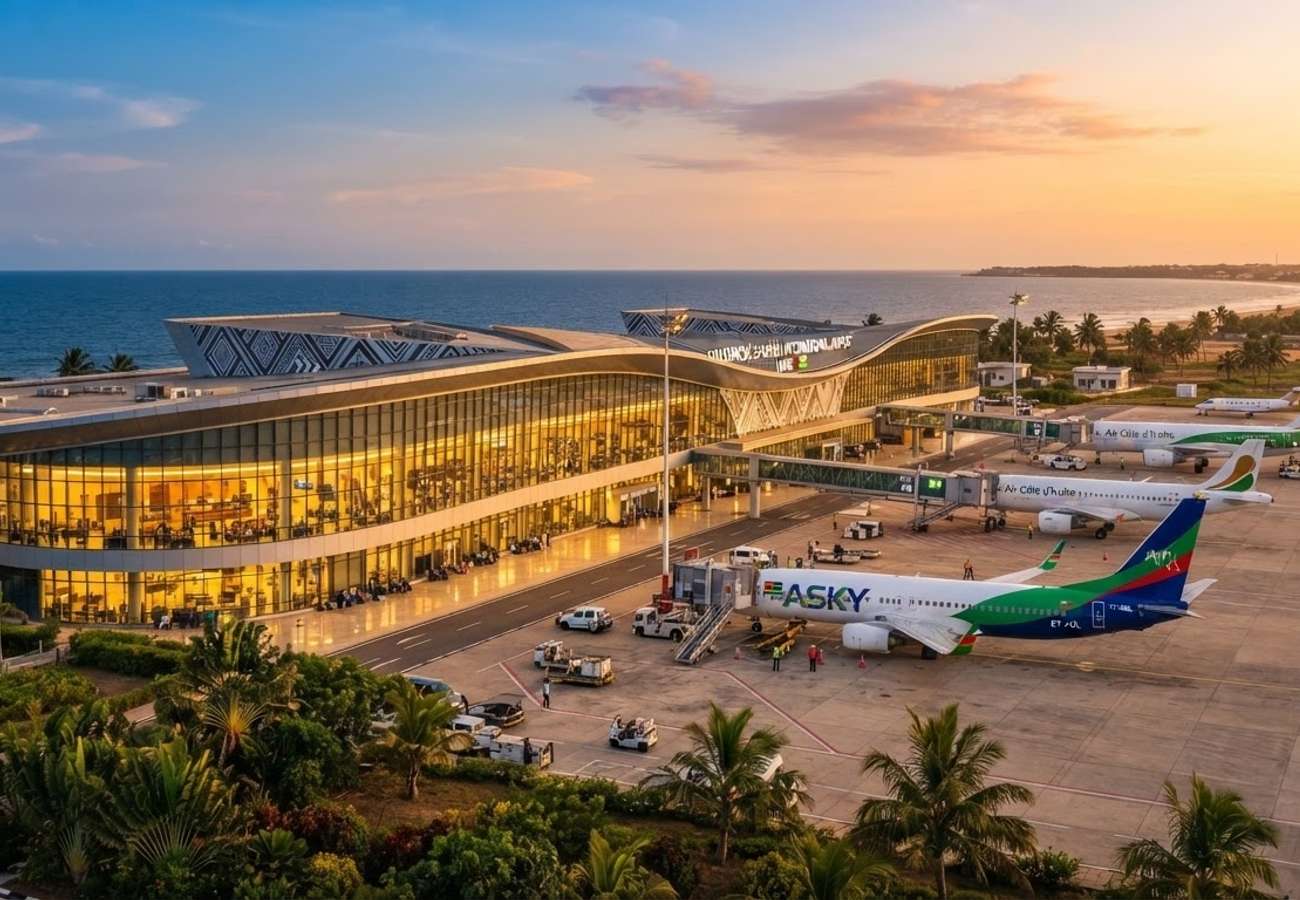
Image generated by AI
Togo has aggressively lowered financial barriers for commercial airlines, slashing the cost of Air Operator Certificates by 98% to accelerate Lomé's evolution into a dominant West African transit center.
The National Civil Aviation Agency (ANAC) of Togo implemented a sweeping revision of civil aviation charges in July 2026. This strategic pivot is designed to attract new market entrants and diversify the flight routes operating out of Gnassingbé Eyadéma International Airport. By reducing the cost of regulatory compliance, Togo aims to foster a more competitive environment that could eventually lower ticket prices and increase frequency for regional travelers.
Radical Reduction in Regulatory Barriers
The most significant change is the cost of the Air Operator Certificate (AOC), the fundamental regulatory approval required for any commercial airline to operate. The issuance charge has plummeted from CFA215 million to just CFA3.5 million.
While this represents a massive financial relief for operators, ANAC has clarified that safety, technical, and operational requirements remain stringent. The reduction applies strictly to the administrative and regulatory fees, not the safety standards.
This reform aligns with the Single African Air Transport Market (SAATM)—referred to as MUTAA in Togo—which seeks to integrate African aviation by removing fragmented market barriers and high taxes.
Revised Aviation Fee Structure (July 2026)
The following table details the specific cost reductions implemented by ANAC to incentivize airline registration and operational setup within Togo.
| Aviation Charge | Previous Charge | Revised Charge | Approximate Reduction |
|---|---|---|---|
| Air Operator Certificate (AOC) Issuance | CFA215 million | CFA3.5 million | 98% |
| Air Operator Certificate (AOC) Renewal | CFA108 million | CFA1.4 million | 99% |
| Aircraft Registration | CFA18.9 million | CFA1.75 million | 91% |
| Airworthiness Certificate Renewal | CFA18.7 million | CFA1.5 million | 92% |
| Selected Crew Exams & Documents | Varies | Varies | 40%–90% |
Source: National Civil Aviation Agency of Togo, 9 July 2026.
The Strategic Importance of Lomé
Lomé’s geography on the Gulf of Guinea makes it a natural bridge between West and Central African markets. The city is not attempting to build a hub from scratch but is rather scaling an existing success.
Historical data from ANAC underscores the airport's role as a transit point. In 2022, Gnassingbé Eyadéma International Airport recorded 1,231,249 passenger movements. During that period, ASKY Airlines—the primary carrier based in Lomé—accounted for 791,982 movements, followed by Ethiopian Airlines (209,000+) and Air France (109,000+).
The Togolese government previously targeted 1.5 million annual passengers by 2025. These 2026 fee reductions are a direct extension of that growth strategy, aimed at diversifying the carrier mix beyond the current dominant players.
Regional Integration and Infrastructure Impact
The timing of these cuts follows two major diplomatic events: the African Air Transport Convention and Exhibition (June 15–19, 2026) and the ECOWAS Air Transport Economic Oversight Committee meeting (July 2–3, 2026).
By slashing entry costs, Togo is positioning itself as the "low-friction" entry point for airlines wanting to penetrate the West African market. The ripple effect extends beyond passenger flights; ANAC expects to attract more aircraft registrations, which will drive demand for local maintenance, repair, and overhaul (MRO) services and aviation training.
Traveler Logistics Guide: Navigating Lomé Transit
From a ground-level perspective, the best way to navigate the evolving Lomé hub is to monitor the expansion of ASKY and the potential entry of new low-cost carriers (LCCs) resulting from these fee cuts.
Connection Strategies:
- Optimal Layover Times: For transit passengers at Gnassingbé Eyadéma International Airport, a layover of 3–5 hours is recommended. While the airport is efficient, regional connections can be subject to sudden schedule shifts.
- Digital Transit: Travelers should ensure all health and visa documentation is digitized. Togo is increasingly aligning with regional digital transit standards to speed up the movement of passengers between ECOWAS member states.
- Booking Advice: As new airlines enter the market due to lower AOC costs, travelers should compare fares between legacy carriers (Air France, Ethiopian) and emerging regional players to find the most competitive rates.
Customs and Policy: When transiting through Lomé, passengers should be aware that while entry fees for airlines have dropped, passenger taxes and airport fees remain separate. Always verify the latest visa requirements for Togo if you plan to leave the transit lounge.
Lomé is no longer just a stopover, but a calculated gateway to the continent.
Related Travel Guides
Disclaimer
This article is for informational and educational purposes only. It does not constitute legal, financial, or professional advice. While we strive to provide accurate and up-to-date information, travel policies, regulations, and conditions change rapidly. Always verify information with official sources before making travel decisions. Nomad Lawyer makes no representations about the accuracy, reliability, completeness, or suitability of the information provided. Readers should consult qualified professionals for advice specific to their circumstances. The views expressed in this article are those of the author and do not necessarily reflect the views of Nomad Lawyer.