
TikTok 3-3-3 Packing Hack 2026: Can Minimalist Wardrobes Reduce Airline Baggage Fees?
Analysis of the viral 3-3-3 packing method and its impact on reducing excess baggage costs and improving transit mobility for short-term global travel.

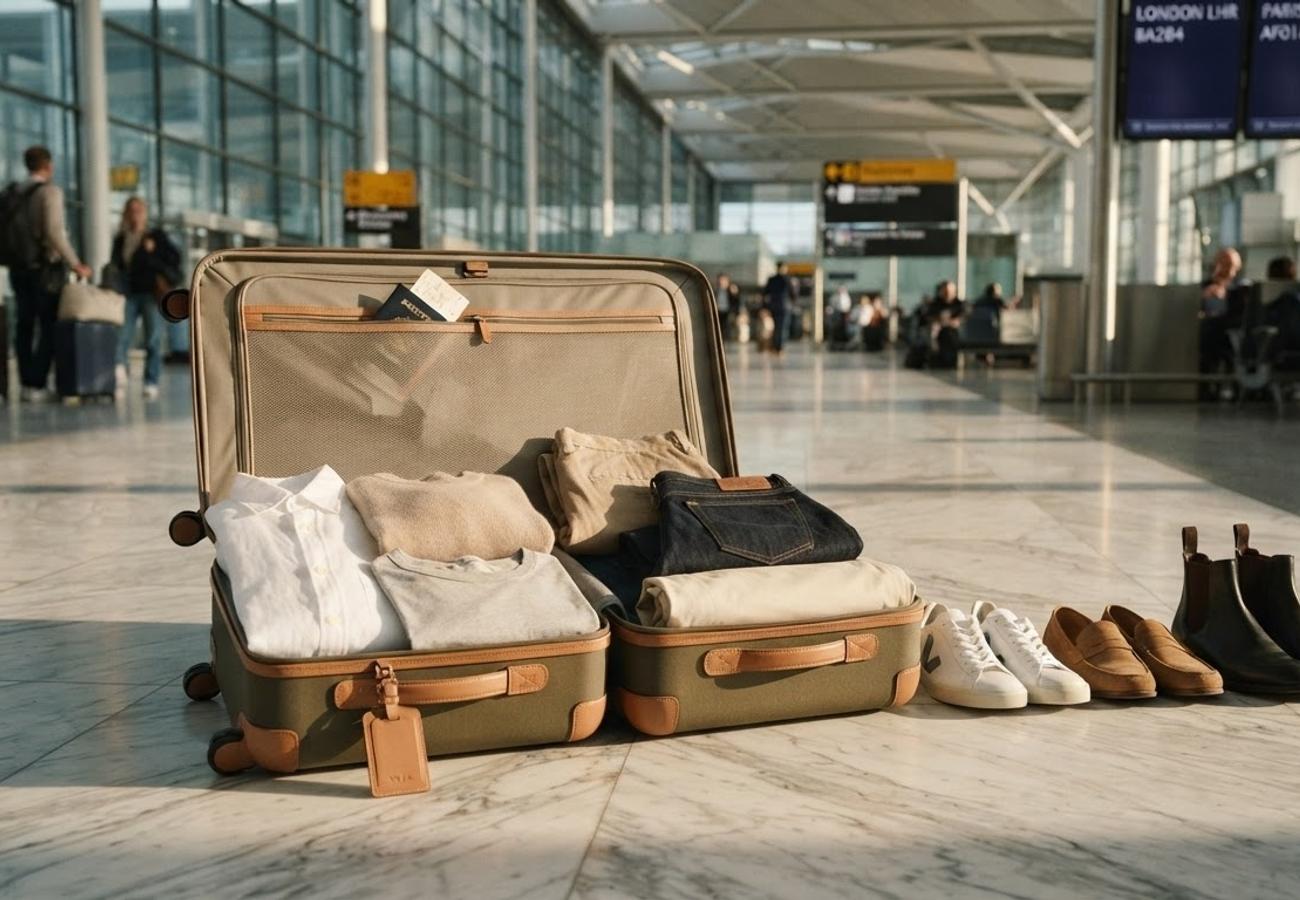
Image generated by AI
The viral 3-3-3 packing formula promises to slash baggage costs by limiting wardrobes to nine core items. While effective for short-term transit, its utility fluctuates based on itinerary length and regional climate volatility.
The Mechanics of the 3-3-3 Packing Formula
As global travel costs rise, passengers are increasingly pivoting toward strategic packing to avoid the aggressive ancillary fees imposed by airlines. The 3-3-3 packing hack, popularized by Rachel Spencer, operates on a strict mathematical constraint to eliminate overpacking and maximize outfit versatility.
The system requires the selection of:
- 3 Tops
- 3 Bottoms
- 3 Pairs of Shoes
By selecting neutral colors and interchangeable fabrics, this capsule wardrobe allows travelers to generate up to 19 different outfit combinations. This shift from "occasion-based packing" to "coordination-based packing" transforms the suitcase from a collection of single-use outfits into a modular system.
Comparative Packing Frameworks for 2026
Depending on the duration of the trip and the complexity of the destination, different formulas offer varying levels of utility. The following table outlines the primary viral methods currently utilized by frequent travelers.
| Method | Formula (Items) | Primary Use Case | Potential Outfits | Logistics Benefit |
|---|---|---|---|---|
| 3-3-3 Hack | 3 Tops, 3 Bottoms, 3 Shoes | Short breaks / City trips | Up to 19 | Maximum weight reduction |
| 5-4-3-2-1 Hack | 5 Tops, 4 Bottoms, 3 Shoes, 2 Layers, 1 Accessory | 7-14 day trips / Mixed weather | High | Balanced versatility |
| Standard Packing | Unrestricted / Occasion-based | Long-term / Formal events | Variable | High risk of excess fees |
Financial Impact on Transit Costs
The primary driver for the adoption of the 3-3-3 method is the avoidance of checked baggage fees. With many carriers transitioning to "Basic Economy" tiers that exclude checked luggage, the ability to fit all essentials into a carry-on is a significant financial advantage.
Beyond the immediate saving on baggage fees, mindful packing reduces "destination spending"—the cost incurred when travelers forget essentials due to a cluttered suitcase and are forced to purchase replacements at premium tourist prices.
Traveler Logistics Guide: Navigating Minimalist Transit
From a ground-level perspective, the best way to navigate a minimalist packing strategy is to align your wardrobe with your transit mode and destination infrastructure.
1. Optimizing for Mobility If your itinerary involves multi-stop tourism, high-frequency train transfers, or cobblestone streets in European city centers, a carry-on-only approach is superior. Reducing your luggage weight directly correlates to faster transit through airports and easier navigation of public transport systems.
2. Managing Laundry Logistics The 3-3-3 method is unsustainable for trips exceeding seven days without a laundry plan. Before committing to this hack, verify if your accommodation provides in-unit laundry or if there are reputable "wash-and-fold" services nearby.
3. Utilizing Compression Technology To further optimize space, integrate compression packing cubes. While these do not reduce the actual weight of the luggage, they prevent the "chaotic pack" syndrome, allowing you to locate specific items without unpacking the entire bag—a critical advantage during short layovers.
4. Weather Contingency Rigid formulas often fail during seasonal transitions. Always supplement the 3-3-3 method with a lightweight, waterproof outer layer regardless of the formula, as this does not typically count toward the core "top" count but is essential for regional climate volatility.
Infrastructure and Tourism Impact
The trend toward minimalist packing reflects a broader shift in global tourism toward "light travel." This reduces the strain on airport baggage handling systems and decreases the carbon footprint associated with transporting heavier aircraft. As digital nomads and short-term travelers increase in number, the demand for modular, high-efficiency luggage and integrated laundry services within the hospitality sector is expected to grow.
Strategic packing is no longer just about organization; it is a financial tool for the modern traveler.
Related Travel Guides
Disclaimer
This article is for informational and educational purposes only. It does not constitute legal, financial, or professional advice. While we strive to provide accurate and up-to-date information, travel policies, regulations, and conditions change rapidly. Always verify information with official sources before making travel decisions. Nomad Lawyer makes no representations about the accuracy, reliability, completeness, or suitability of the information provided. Readers should consult qualified professionals for advice specific to their circumstances. The views expressed in this article are those of the author and do not necessarily reflect the views of Nomad Lawyer.
Raushan Kumar
Founder & Lead Developer
Full-stack developer with 11+ years of experience and a passionate traveller. Raushan built Nomad Lawyer from the ground up with a vision to create the best travel and law experience on the web.
Learn more about our team →