Long-Haul Aviation in Crisis: 2026's Most Disrupted Routes Reveal Industry-Wide Strain


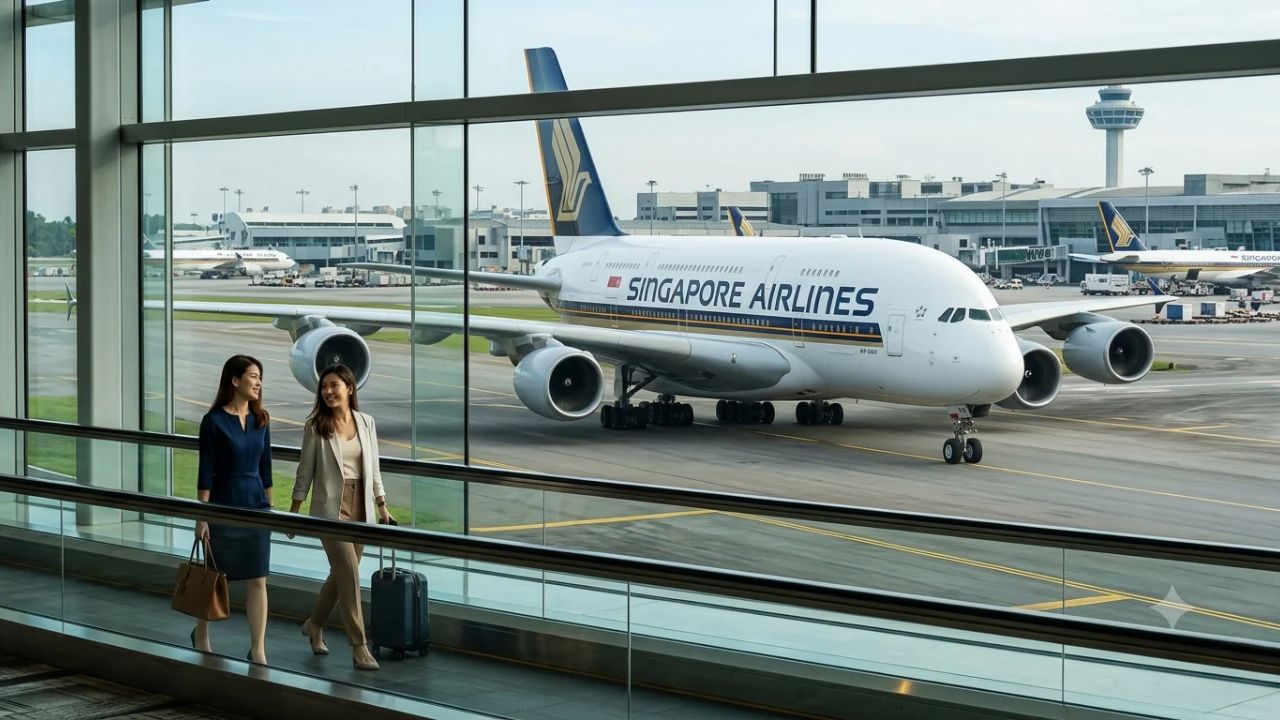
Image generated by AI
Geopolitical tensions, fuel constraints, and regulatory pressures converge to create unprecedented operational challenges for global carriers
A Perfect Storm of Operational Disruptions
The international aviation sector is grappling with a convergence of systemic pressures that has fundamentally altered flight reliability across major long-haul corridors in 2026. Escalating geopolitical volatility in the Middle East, combined with constrained jet fuel availability and increasingly stringent regulatory frameworks, has pushed airlines into uncharted operational territory, forcing carriers to navigate a complex web of rerouting decisions, inflated operating expenses, and volatile traffic patterns while attempting to preserve passenger service standards.
The Middle East Crisis Takes Flight
Regional instability continues to disrupt critical air routes that traditionally served as vital arteries for global connectivity. Airlines operating through or near conflict zones have been forced to implement costly alternative flight paths, extending journey times and straining crew scheduling systems. These circumnavigation routes not only add significant fuel consumption but also cascade delays across interconnected networks spanning Europe, Asia, and Africa.
The geopolitical uncertainty has created unpredictable airspace closures, leaving carriers unable to plan reliably for day-to-day operations—a particularly acute problem for long-haul services where advanced scheduling is essential for profitability.
Jet Fuel Supply Crunch Intensifies Cost Pressures
Concurrent with these routing challenges, the global jet fuel supply chain has tightened considerably, pushing aviation fuel costs into volatile territory. Airlines are absorbing substantial margin pressures as procurement costs climb, forcing difficult decisions regarding fleet deployment and service frequency adjustments.
The fuel expense crisis has become particularly acute for carriers already burdened with rerouting expenses, creating a double squeeze on operational economics that threatens service viability on numerous international corridors.
Regulatory Complexity Adds Another Layer
New and evolving compliance requirements across multiple jurisdictions have introduced additional operational friction. Airlines must navigate divergent emissions standards, airspace management protocols, and safety regulations that differ significantly across regions—creating administrative overhead and forcing expensive operational adjustments on the fly.
Passenger Impact and Future Outlook
The cumulative effect of these pressures has manifested in elevated delay rates across the industry's longest routes, where operational margins are narrowest and disruption costs are highest. Travelers face extended delays, schedule disruptions, and higher ticket pricing as airlines pass increased operating expenses onto consumers.
As 2026 progresses, industry observers warn that meaningful improvement requires resolution on geopolitical fronts and stabilization of global fuel markets—conditions currently showing no sign of improvement.
FAQ: Understanding 2026's Long-Haul Aviation Crisis
What routes are most affected by delays in 2026? Long-haul corridors connecting Europe, Asia, and the Middle East regions experience the highest disruption rates due to regional instability and mandatory rerouting requirements.
How are jet fuel prices impacting airline operations? Elevated jet fuel costs are squeezing airline margins significantly, particularly on rerouted flights that consume additional fuel, forcing carriers to increase fares and reduce service frequency.
Why can't airlines simply avoid problematic regions? Alternative routing dramatically extends flight times and fuel consumption, making service economically unviable while still unable to guarantee reliability due to unpredictable airspace restrictions.
Are airline baggage fees and passenger charges increasing due to these pressures? Yes, multiple carriers have implemented surcharges and fee adjustments across baggage, fuel, and service categories in response to elevated operating costs.
When will long-haul aviation conditions stabilize? Industry stabilization depends on geopolitical de-escalation and global fuel market normalization—neither condition appears imminent based on current assessments.
Related Travel Guides
- Spain Accelerates Bilbao Airport Expansion After Surpassing Seven Million Passengers with New International Routes and Airlines Mitigating Regional Airport Disruptions and Severe Travel Chaos: New Airline News and Aviation Updates
- Amsterdam Schiphol Travel Chaos: KLM and Delta Delay Over 200 Flights to New York and London
- Virgin Australia Launches First Direct International Route from Canberra to Bali
This article is for informational purposes. Flight routes, passenger regulations, visa rules, and transit advisories are subject to change by airlines and aviation authorities. Readers are advised to verify schedules and travel documentation with relevant carriers and border agencies before departure.
Related Stories

United Airlines Launches Nonstop Newark–St. Croix Flights to Expand Caribbean Tourism and Diaspora Travel
Singapore Airlines Prepares Airbus A380 Return on Hong Kong Route for Winter 2027 Schedule