
US Air Force Pursues Fleet of 1,000 AI-Powered Combat Drones to Operate Alongside F-35 Fighters
Breaking airline news and aviation industry updates for 2026.

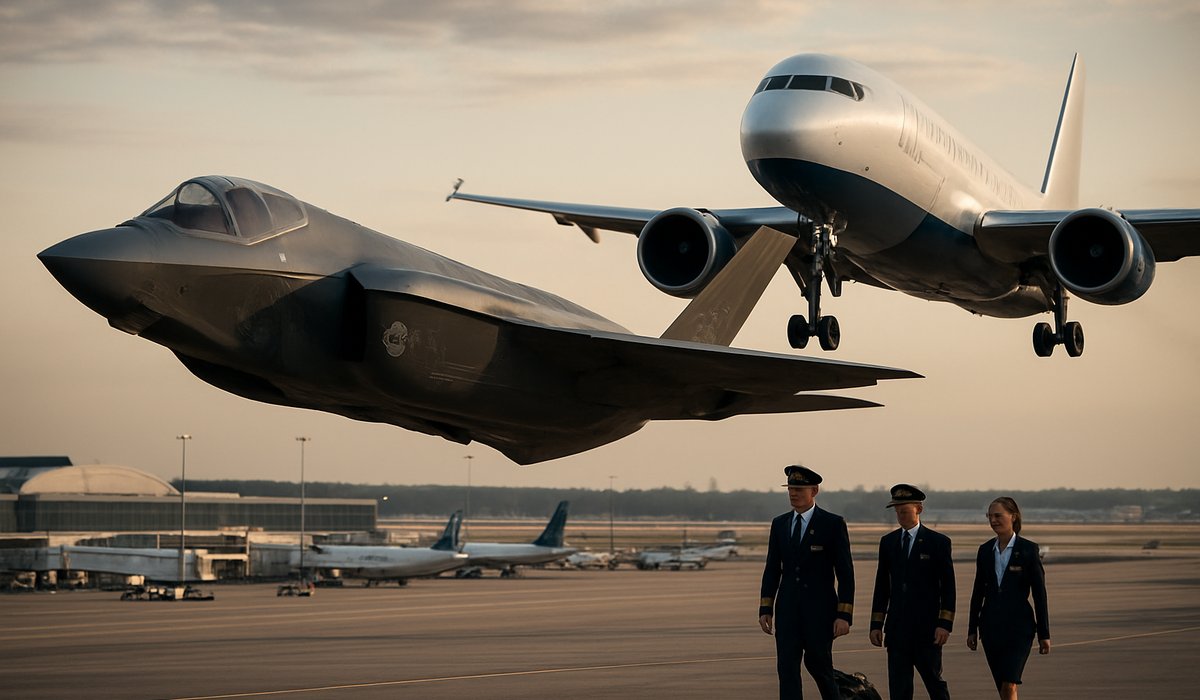
Image generated by AI
US Air Force Pursues Fleet of 1,000 AI-Powered Combat Drones to Operate Alongside F-35 Fighters
The military's ambitious "Loyal Wingman" initiative signals a fundamental shift toward autonomous aerial warfare, with unmanned aircraft set to transform 21st-century combat operations
Pentagon Accelerates Push Into Autonomous Aerial Combat
The United States Air Force is advancing an unprecedented military aviation strategy, planning to deploy approximately 1,000 artificial intelligence-driven unmanned aircraft to operate in tandem with its advanced F-35 fighter fleet. The initiative, officially designated as the Collaborative Combat Aircraft program, represents a dramatic recalibration of air power doctrine and reflects broader global competition among major military powers to dominate autonomous warfare capabilities.
The so-called "Loyal Wingman" drones are engineered to provide scalable, cost-effective air superiority alongside piloted fifth-generation stealth fighters, fundamentally reshaping how the Air Force and Navy conduct aerial operations. Defense officials characterize the program as essential to maintaining technological advantage as rival nations accelerate their own unmanned weapons development.
Global Military Powers Race for Drone Superiority
The Pentagon's ambitious fleet expansion underscores intensifying competition within the global defense sector. Leading military forces worldwide—including Russia, China, and European allies—are simultaneously developing advanced autonomous aircraft systems. The United States' aggressive procurement target of 1,000 drones positions it as the frontrunner in this emerging technological race, though industry analysts warn the timeline and budget requirements remain substantial.
The Collaborative Combat Aircraft program diverges from traditional military procurement strategies by emphasizing volume production and affordability alongside advanced capabilities. Rather than developing expensive, limited-quantity systems, Pentagon planners envision mass deployment of capable but relatively economical unmanned platforms that can augment existing fighter squadrons.
Strategic Implications for Modern Warfare
Military strategists argue autonomous drones fundamentally alter engagement dynamics by reducing pilot risk, extending operational endurance, and enabling simultaneous multi-theater operations. The integration of AI-driven decision-making systems with human-piloted fighters creates hybrid combat formations previously impossible under conventional air warfare doctrine.
However, the program raises significant questions regarding autonomous weapons control, rules of engagement, and international military law—issues that remain hotly contested among policymakers and defense ethics experts globally.
FAQs
What is the Collaborative Combat Aircraft program? The program aims to develop and deploy approximately 1,000 AI-powered unmanned drones called "Loyal Wingman" aircraft designed to operate alongside F-35 fighter jets for the US military.
How much will this program cost? While specific budgetary figures vary by source, analysts estimate the initiative requires substantial multi-year investment, though individual drone costs are intended to remain significantly lower than piloted fighter aircraft.
When will these drones be operational? The Pentagon has not disclosed definitive deployment timelines, though military officials indicate development and testing phases are already underway.
Which countries are developing similar systems? China, Russia, and several NATO allies including the UK and Australia are advancing their own autonomous combat drone programs.
What are the ethical concerns surrounding autonomous military drones? Key concerns include autonomous weapons decision-making authority, compliance with international humanitarian law, and the absence of human oversight in lethal engagement scenarios.
Related Travel Guides
Flight Delay Compensation Guide 2026
Understanding Airline Route Changes
Airport Security Process Updated (2026)
External Resources
Disclaimer
This article is for informational and educational purposes only. It does not constitute legal, financial, or professional advice. While we strive to provide accurate and up-to-date information, travel policies, regulations, and conditions change rapidly. Always verify information with official sources before making travel decisions. Nomad Lawyer makes no representations about the accuracy, reliability, completeness, or suitability of the information provided. Readers should consult qualified professionals for advice specific to their circumstances. The views expressed in this article are those of the author and do not necessarily reflect the views of Nomad Lawyer.
Raushan Kumar
Founder & Lead Developer
Full-stack developer with 11+ years of experience and a passionate traveller. Raushan built Nomad Lawyer from the ground up with a vision to create the best travel and law experience on the web.
Learn more about our team →