
US Air Force's $10 Billion Tanker Still Struggling With Core Refueling Mission, Raising Questions About Defense Spending
Breaking airline news and aviation industry updates for 2026.

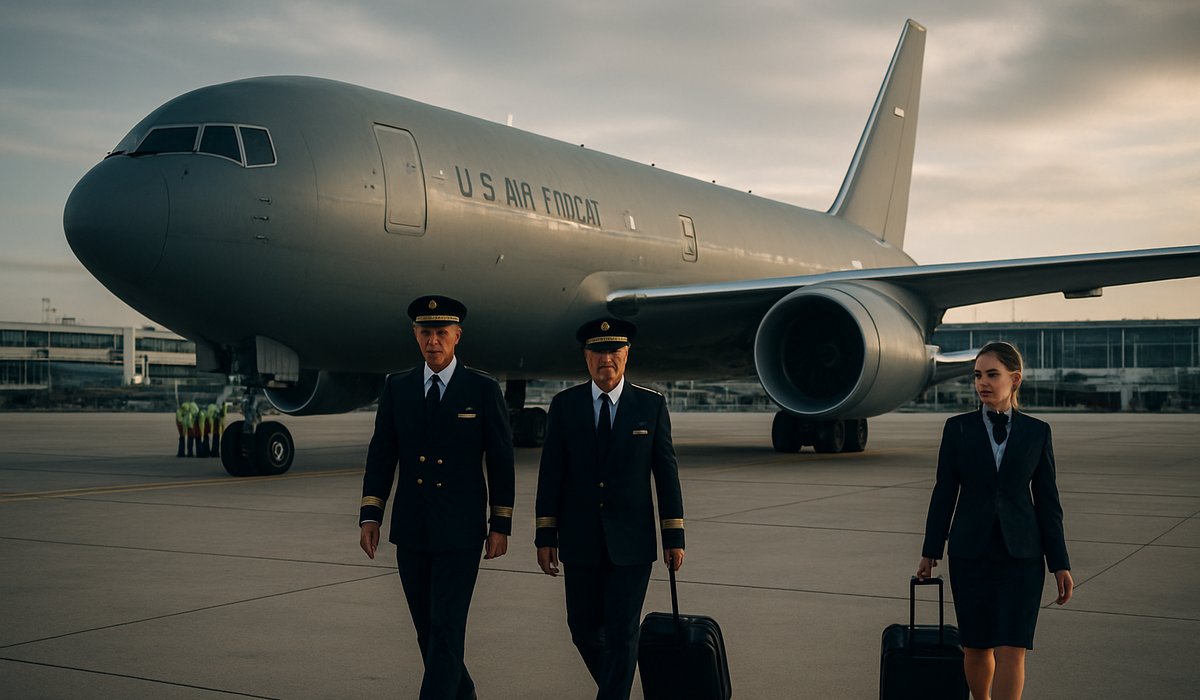
Image generated by AI
US Air Force's $10 Billion Tanker Still Struggling With Core Refueling Mission, Raising Questions About Defense Spending
The KC-46A Pegasus faces persistent technical challenges that undermine its primary operational capability, sparking fresh scrutiny over one of the military's most costly procurement programs
A Modernization Program in Limbo
The United States Air Force has invested approximately $10 billion in developing and deploying the KC-46A Pegasus, a next-generation aerial refueling tanker designed to overhaul American military logistics and extend operational reach across contested global theaters. Yet after years of development and deployment, the aircraft remains unable to reliably execute its foundational mission: transferring fuel to fighter jets, bombers, surveillance platforms, and transport aircraft during flight operations.
The technical shortfall represents a critical vulnerability in U.S. military capability. Aerial refueling serves as the backbone of long-range power projection, enabling combat aircraft to conduct extended operations far beyond conventional flight ranges and remain airborne for sustained periods. Without a fully functional tanker fleet, the Air Force's ability to maintain global presence and respond to crises in distant regions faces potential degradation.
What Went Wrong With the KC-46A Program
The Pegasus was envisioned as a modern replacement for the aging KC-135 Stratotankers and KC-10 Extenders—platforms that have served since the Cold War era. The new design promised enhanced efficiency, advanced avionics, greater cargo capacity, and extended service life to support America's defense posture throughout the 21st century.
However, the program has encountered persistent engineering obstacles that have delayed full operational capability. The aircraft's boom refueling system—the mechanical apparatus responsible for transferring fuel to receiver aircraft—has experienced recurring defects that compromise mission reliability. These technical challenges have forced the Air Force to restrict deployment scenarios and limit the tanker's practical utility in combat operations.
Broader Implications for Military Readiness
The KC-46A difficulties underscore broader challenges within defense procurement. As adversaries modernize their own capabilities and geopolitical tensions escalate, gaps in American military infrastructure become increasingly consequential. The Air Force's operational flexibility depends heavily on reliable refueling capabilities; any limitation reduces tactical options and complicates strategic planning.
The program's struggles have also raised questions among lawmakers and defense analysts regarding oversight mechanisms, contractor accountability, and the need for more rigorous testing protocols before systems enter operational service. These concerns extend beyond the Pegasus, highlighting systemic issues within large-scale military acquisition programs.
The Path Forward
Air Force officials continue working with Boeing and other contractors to resolve outstanding technical issues. Full resolution remains uncertain, with timelines for achieving complete operational capability continuing to shift. Military aviation experts warn that extended delays could leave critical gaps in America's refueling infrastructure at precisely the moment when operational demands continue rising globally.
Frequently Asked Questions
What is the KC-46A Pegasus and why does it matter? The KC-46A is a modern aerial refueling tanker designed to replace older Cold War-era aircraft. It extends the range and endurance of fighter jets, bombers, and transport planes—essential for projecting American military power worldwide. Without reliable refueling capabilities, the Air Force's operational reach and flexibility become significantly constrained.
Why can't the KC-46A perform its primary mission? The aircraft's refueling boom system—the mechanical apparatus that transfers fuel to other aircraft in flight—has experienced recurring technical defects. These problems limit deployment scenarios and reduce the platform's practical reliability for sustained combat operations.
How much has this program cost taxpayers? The United States Air Force has committed approximately $10 billion to the KC-46A Pegasus program, including development, procurement, and ongoing remediation efforts. This represents one of the largest and most expensive military acquisition programs in recent history.
When will the KC-46A become fully operational? Current timelines remain uncertain. The Air Force and contractors continue troubleshooting technical issues, but no definitive completion date has been established for achieving full operational capability across the entire fleet.
What are the national security implications of these delays? Prolonged gaps in refueling capacity reduce the Air Force's ability to conduct extended operations, support allies, and respond rapidly to global crises. As peer competitors modernize their military capabilities, American vulnerabilities in this critical infrastructure become increasingly consequential.
Related Travel Guides
External Resources
Disclaimer
This article is for informational and educational purposes only. It does not constitute legal, financial, or professional advice. While we strive to provide accurate and up-to-date information, travel policies, regulations, and conditions change rapidly. Always verify information with official sources before making travel decisions. Nomad Lawyer makes no representations about the accuracy, reliability, completeness, or suitability of the information provided. Readers should consult qualified professionals for advice specific to their circumstances. The views expressed in this article are those of the author and do not necessarily reflect the views of Nomad Lawyer.
Raushan Kumar
Founder & Lead Developer
Full-stack developer with 11+ years of experience and a passionate traveller. Raushan built Nomad Lawyer from the ground up with a vision to create the best travel and law experience on the web.
Learn more about our team →