
Cargo Airlines' Unexpected Lifeline: Why the Aging Boeing 747 Freighter Remains in Demand
Breaking airline news and aviation industry updates for 2026.

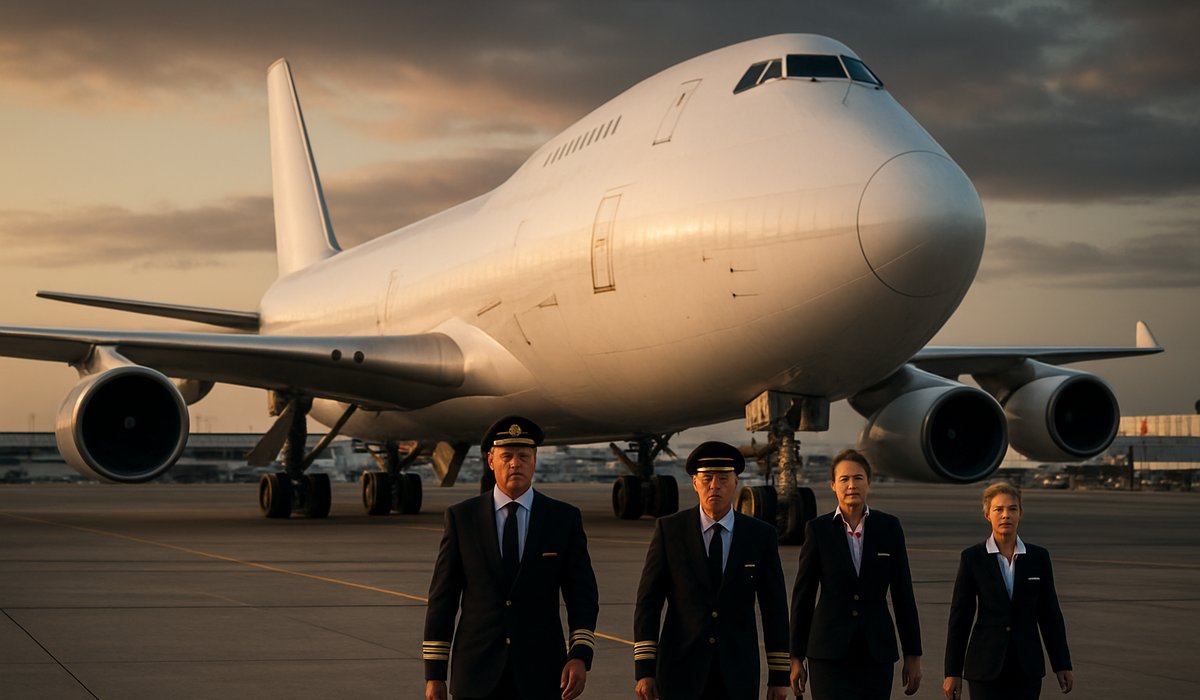
Image generated by AI
Cargo Airlines' Unexpected Lifeline: Why the Aging Boeing 747 Freighter Remains in Demand
Despite decades of technological advancement, freight operators are clinging to the four-engine giant—revealing critical gaps in modern aviation logistics
The Paradox of an "Obsolete" Aircraft
The Boeing 747 defies conventional wisdom in the modern aviation market. Though the iconic widebody first took flight over fifty years ago, cargo operators worldwide are actively preserving and retrofitting aging 747 freighters rather than retiring them—a counterintuitive strategy that exposes fundamental inefficiencies in today's cargo logistics infrastructure.
From a passenger perspective, the mathematics seemed settled long ago. A Boeing 747 carries marginally more travelers than the newer, twin-engine Boeing 777-300ER while maintaining comparable range—yet burns considerably more fuel across four engines instead of two. The business case evaporated, leaving airlines with a choice between the smaller, cost-effective 777 or the cavernous Airbus A380. By any rational calculation, the 747's passenger-service era should have ended decisively.
The Cargo Exception That Proves the Rule
Yet the story shifts dramatically when examining freight operations. Cargo airlines continue hoarding and maintaining aging 747 freighters despite their fuel inefficiency, revealing a stark reality: the aviation industry lacks sufficient wide-body cargo capacity to meet global demand.
The reasons are straightforward but overlooked. Passenger airlines have dramatically reduced international routes following pandemic disruptions, eliminating belly-cargo capacity that traditionally supplemented dedicated freight aircraft. Simultaneously, e-commerce growth has created unprecedented demand for air cargo, particularly for time-sensitive shipments to Asia, Europe, and North America.
Twin-engine widebodies like the 777 Freighter, while more economical on fuel, simply cannot match the 747's cubic volume—a critical metric in cargo operations where space often matters more than weight. The A380's freighter variant never materialized in significant numbers, leaving operators with limited options.
The Fuel-Cost Equation
Elevated jet fuel prices, paradoxically, haven't deterred cargo operators from maintaining these fuel-hungry giants. When cargo rates remain robust—as they have amid supply-chain disruptions—the revenue generated justifies the higher fuel consumption. A single transcontinental 747 freighter flight can generate substantial revenue, offsetting additional fuel expenditures that would cripple passenger operations with thin margins.
Industry Implications
This unexpected renaissance of legacy aircraft underscores a fundamental mismatch: the aviation industry built its modern fleet around passenger-centric economics while underestimating cargo's strategic importance. As global supply chains remain fragile and e-commerce continues expanding, aging aircraft that should have been retired are instead commanding premium utilization rates.
The 747's story, therefore, isn't one of obsolescence but rather structural demand that modern aircraft simply haven't adequately addressed.
FAQ: Boeing 747 Freighters and Cargo Aviation
Why are airlines keeping old Boeing 747 cargo planes instead of replacing them? Cargo operators retain aging 747 freighters because they offer unmatched cargo volume compared to newer twin-engine alternatives like the 777 Freighter. Supply-chain disruptions and e-commerce demand have created acute capacity shortages that justify the higher fuel consumption.
How do jet fuel prices affect cargo airlines' aircraft decisions? While high fuel costs challenge passenger airlines, cargo operators can absorb elevated fuel expenses when freight rates remain strong. Robust cargo revenues offset additional fuel costs, making aging aircraft economically viable when capacity constraints exist.
What is the difference between passenger and cargo aircraft economics? Passenger aircraft prioritize fuel efficiency and seat economics; cargo operations prioritize volume and revenue per flight. A less efficient aircraft generating higher freight revenue becomes rational for cargo operators in constrained markets.
Why didn't airlines convert more Airbus A380s to cargo use? The A380's freighter variant faced limited demand from manufacturers and operators due to its immense size and corresponding operational complexity, leaving the 747 as the primary large-capacity freighter option.
How long will the 747 freighter remain in service? Industry experts predict continued 747 freighter operation for the next decade, particularly if cargo demand remains elevated and modern wide-body freighter production fails to expand capacity sufficiently.
Related Travel Guides
External Resources
Disclaimer
This article is for informational and educational purposes only. It does not constitute legal, financial, or professional advice. While we strive to provide accurate and up-to-date information, travel policies, regulations, and conditions change rapidly. Always verify information with official sources before making travel decisions. Nomad Lawyer makes no representations about the accuracy, reliability, completeness, or suitability of the information provided. Readers should consult qualified professionals for advice specific to their circumstances. The views expressed in this article are those of the author and do not necessarily reflect the views of Nomad Lawyer.
Preeti Gunjan
Contributor & Community Manager
A passionate traveller and community builder. Preeti helps grow the Nomad Lawyer community, fostering engagement and bringing the reader experience to life.
Learn more about our team →